




0.02 mm
Handheld 3D Scanner
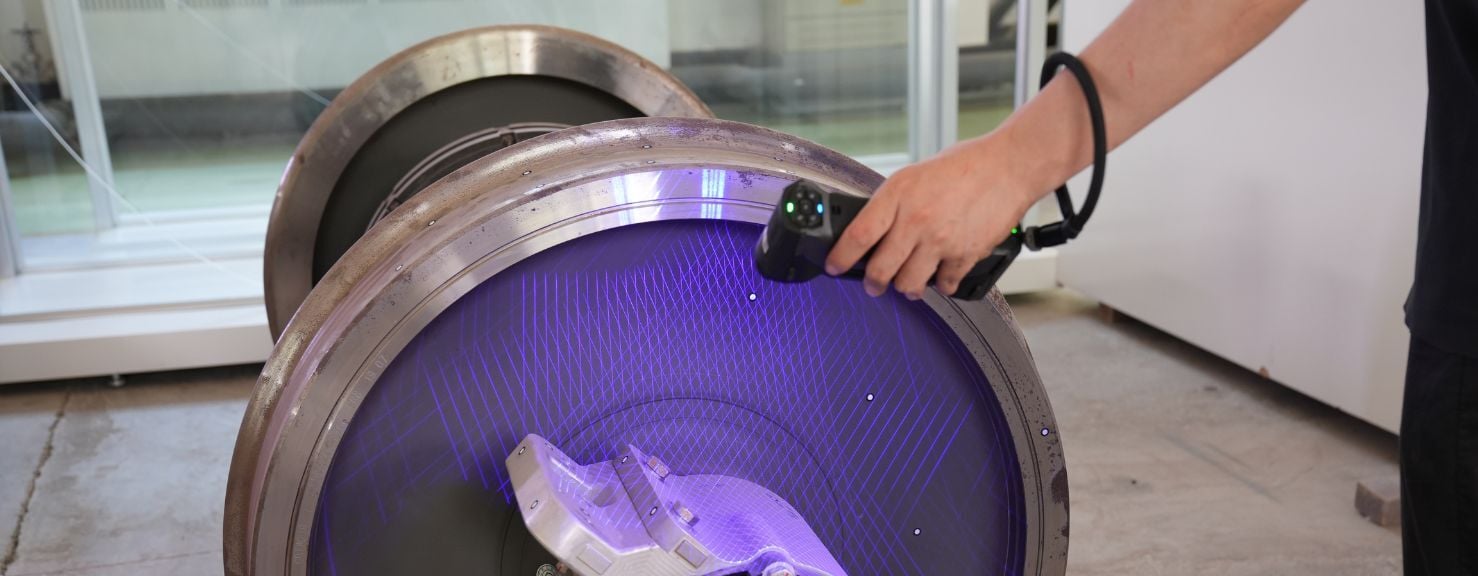
A handheld 3D scanner is a portable measurement device that projects structured light or laser lines onto a physical object and captures the reflected data to build a three-dimensional digital model. As a leading manufacturer of handheld 3D scanners, SHINING 3D specializes in versatile scanning solutions powered by multiple light source technologies, pioneering advanced wireless integration to build the next generation of scanning: lightweight, all-in-one, and cable-free.
Why Handheld 3D Scanners Matter?
Handheld 3D scanners allow operators to move freely around a part, capturing complex surfaces, undercuts, and freeform geometries that fixed-probe systems struggle to reach.
High Speed and Accuracy
High-speed cameras ensures smooth scanning experience. High-accuracy makes it ideal for everything from intricate small parts to large, immovable equipment.

Mobility and Portability
Always ready for on-site fieldwork. Wireless all-in-one design cuts the cores, scan any where, any time.

Ergonomic Design
Easy to hold, easy to carry, easy to scan. Lightweight design relieves your hands.

Large Object Flexibility
Large FOV and video photogrammetry (VPG) boost your scanning and working efficiency.
Explore Our Handheld 3D Scanners
| Models |
|
|
|
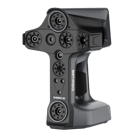
|
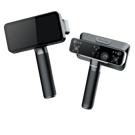
|
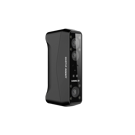
|
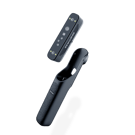
|
|---|---|---|---|---|---|---|---|
| Light Source | |||||||
| Accuracy | |||||||
| Speed | |||||||
| Object Size | |||||||
| Texture | |||||||
| 要不要加all-in-one design | |||||||
| Acceptance Test | |||||||
| Price |
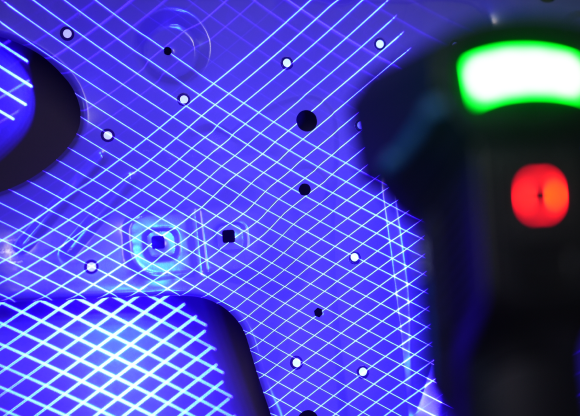
Things You Should Know Before Buying A 3D Scanner - A Practical Classification of 3D Scanners
Learn how 3D scanners are classified by light source, operating mode, and accuracy. Compare laser, LED, and VCSEL technologies to choose the best 3D scanner for your application.
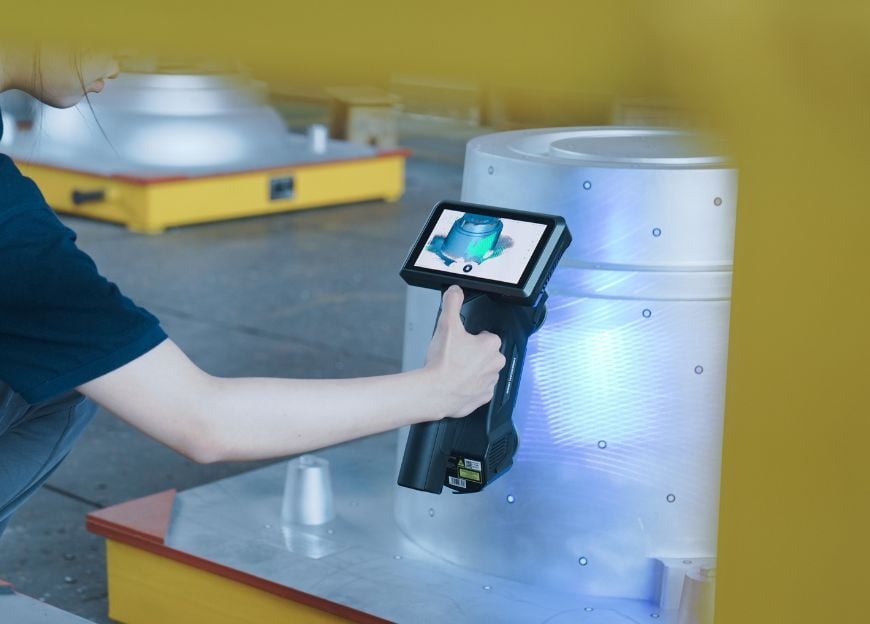
Wireless Technology Leads the Way
Backed by deep expertise in optical metrology, hardware integration and intelligent software, SHINING 3D's latest innovations represent the most advanced technology in the field, setting a new benchmark for truly mobile, lightweight, integrated all-in-one 3D measurement ecosystem.
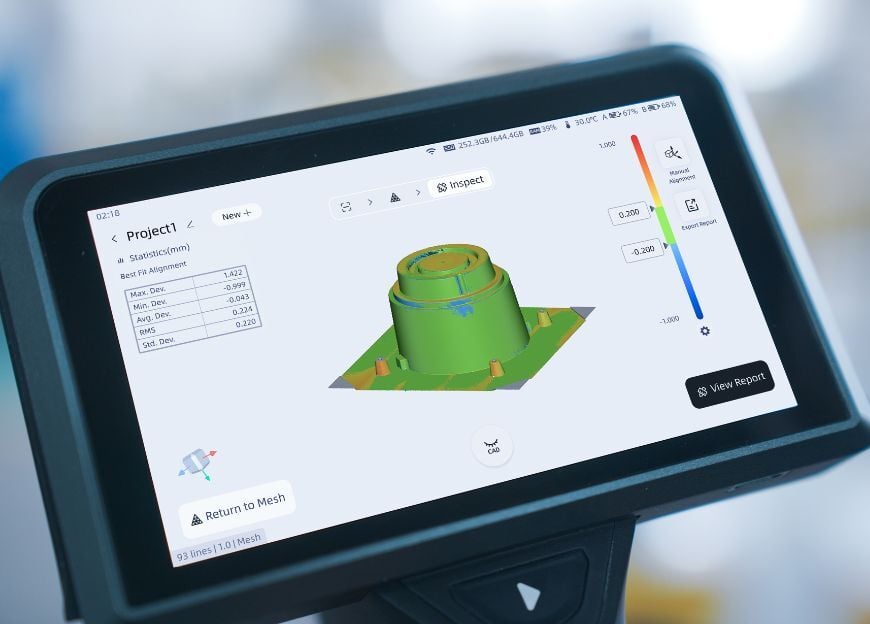
Seamless On-Device Workflow
Our handheld 3D scanners deliver an end-to-end, on-device workflow—taking you directly from raw 3D data acquisition to mesh processing and dimensional inspection without relying on a tethered workstation.
- On-site scan-to-inspection: Capture, align, and verify part tolerances directly on the shop floor or in the field. FreeScan Omni includes built-in PTB-certified inspect module for shopfloor inspection.
- Seamless multi-device coordination: Built-in cloud enables effortless switching across hardware. Start capturing geometry on-site with your handheld scanner, then seamlessly transfer and refine the project on your office workstation.
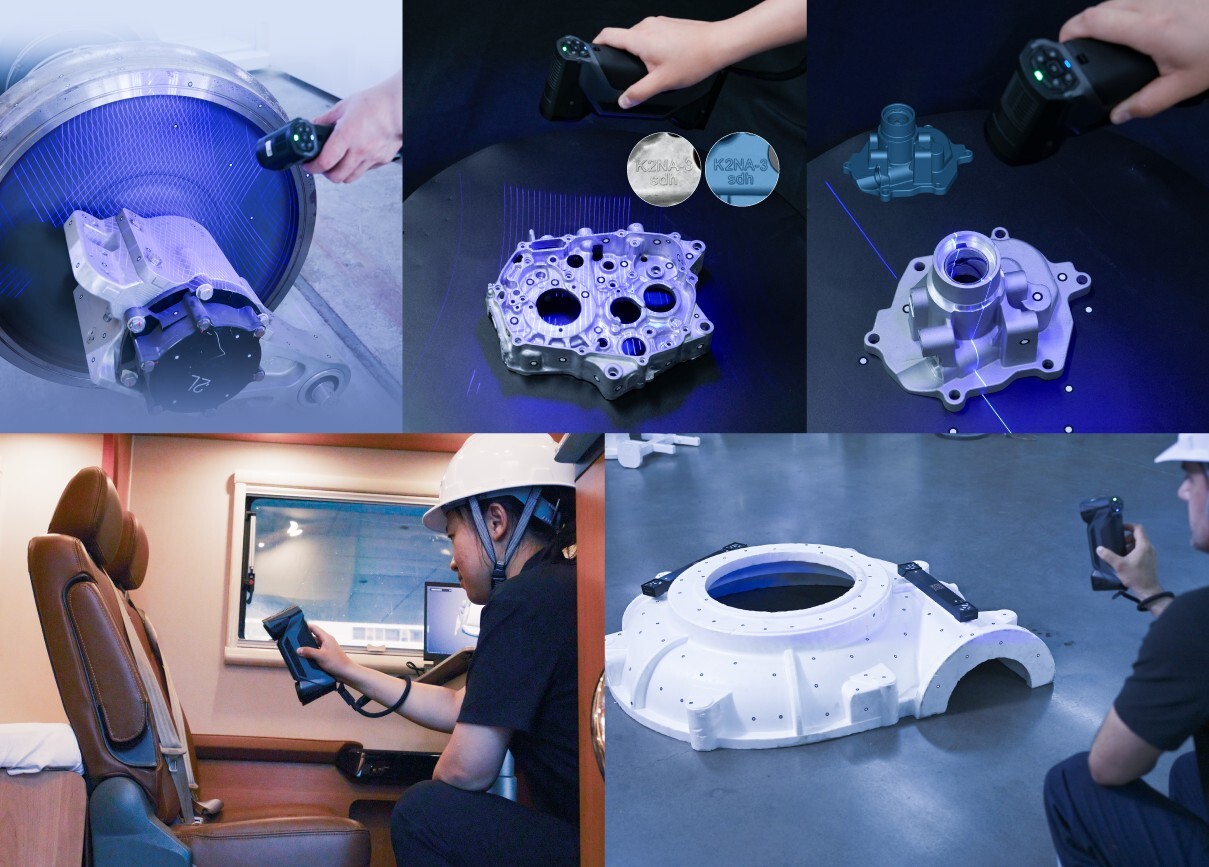
Multiple Scan Modes
As an established manufacturer of handheld 3D scanners, we engineer diverse solutions equipped with different light source technologies to handle challenging materials—from high-reflective and dark materials to complex freeform surfaces.
Video Photogrammetry (VPG)
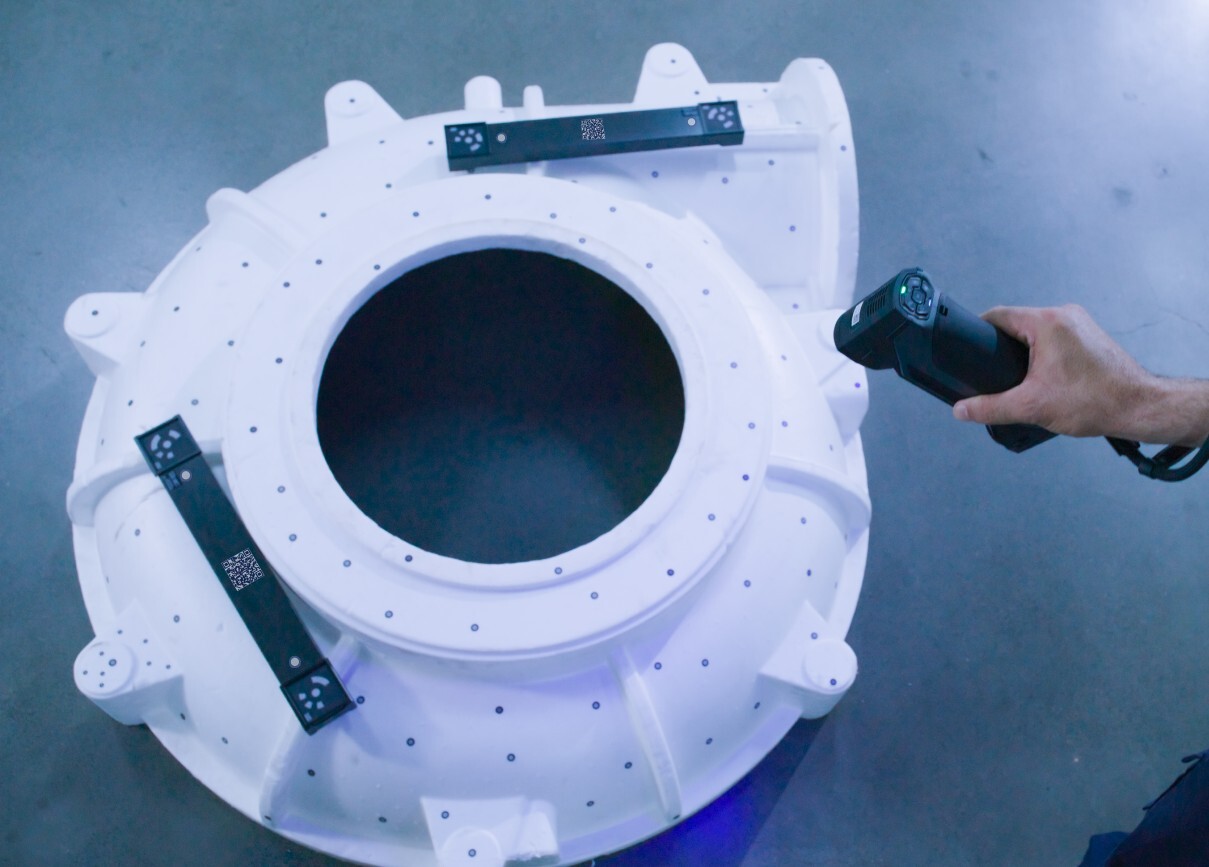
Different from traditional photogrammetry methods, SHINING 3D’s patented video photogrammetry (VPG) technology eliminates the use of coded targets, continuously optimizes the spatial position of reference markers during scanning, minimizing cumulative errors and maintaining reliable volumetric accuracy — even for large components.
*Metrology-grade handheld 3D scanners FreeScan Omni, FreeScan UE Nova, FreeScan Combo+ Wireless, FreeScan Combo Series, FreeScan UE Pro2, FreeScan UE Pro, FreeScan Trio all feature built-in VPG.
*Metrology-grade handheld 3D scanners FreeScan Omni, FreeScan UE Nova, FreeScan Combo+ Wireless, FreeScan Combo Series, FreeScan UE Pro2, FreeScan UE Pro, FreeScan Trio all feature built-in VPG.
Certified and Traceable Accuracy
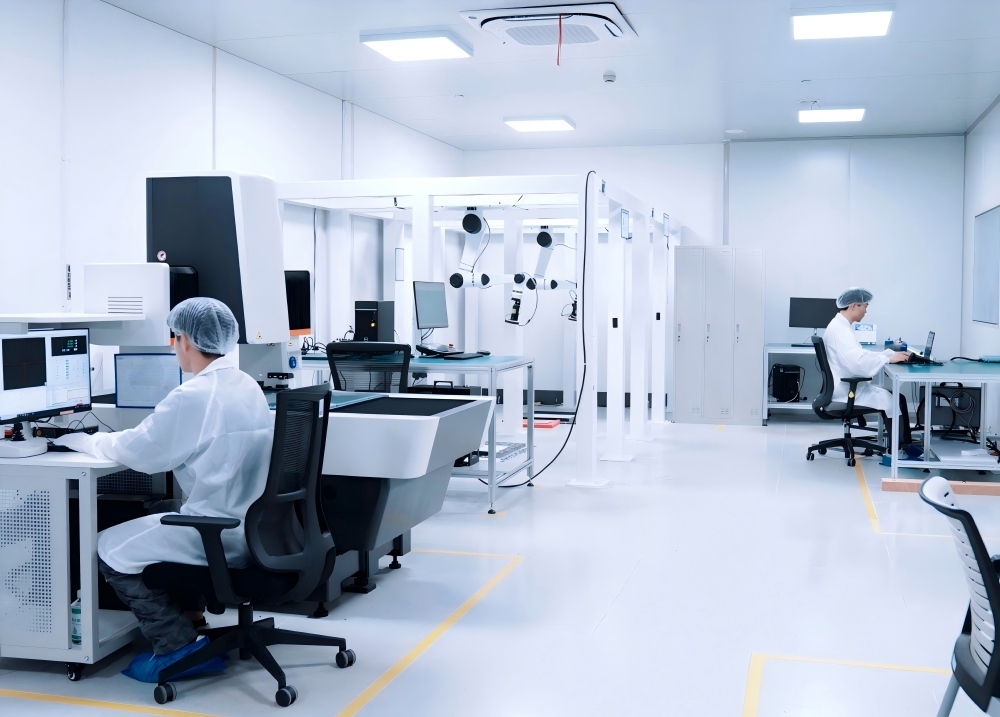
With an accuracy laboratory that adheres to the VDI/VDE 2634 Part 3, ISO 10360 standard and is accredited to ISO/IEC 17025, SHINING 3D ensures that its metrology handheld 3D laser scanners undergo rigorous testing.
We uphold the highest standards of calibration laboratory management and possess the technical expertise to guarantee that our 3D measurement products consistently meet their technical specifications.
Award-Winning Technology
-
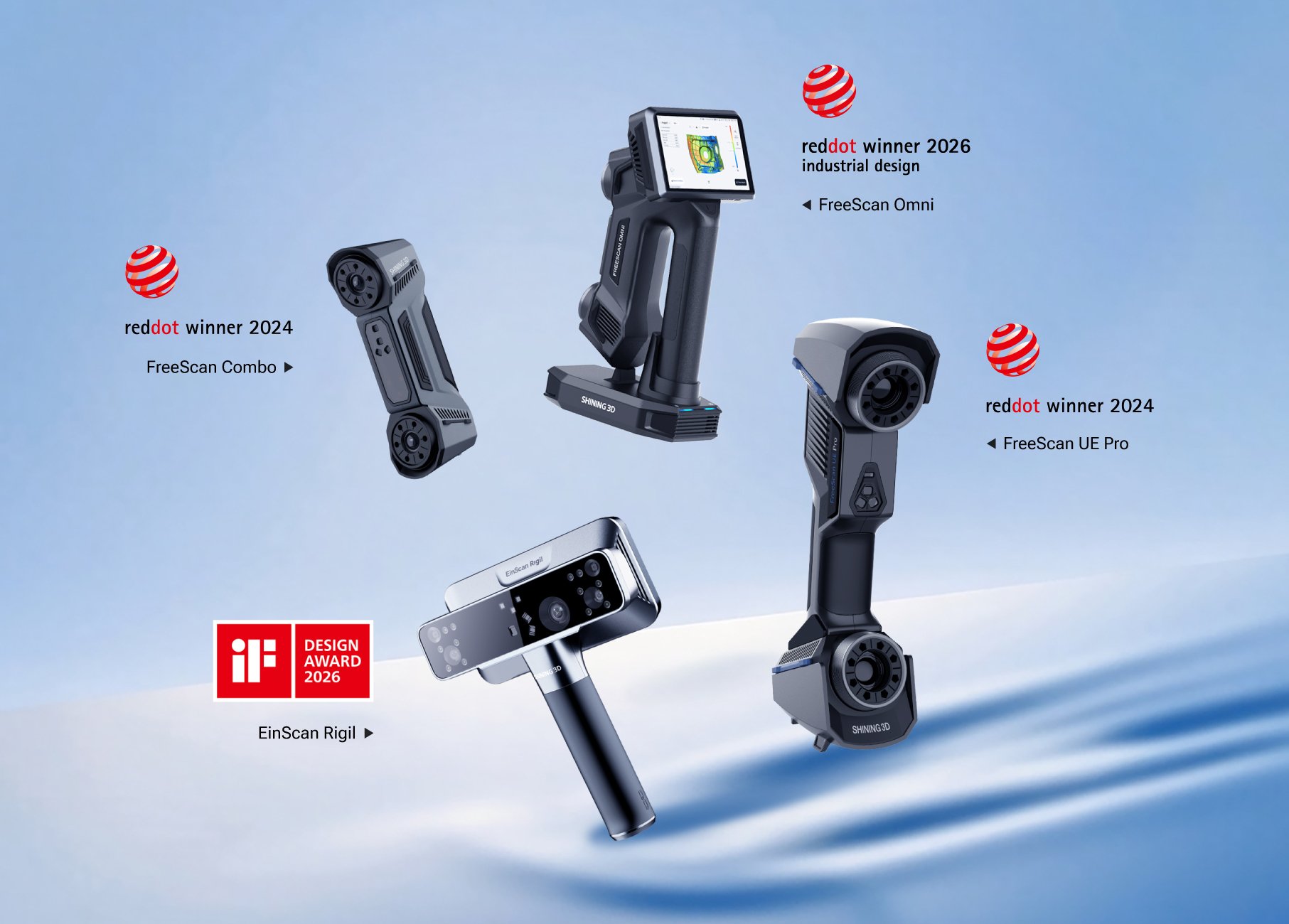
SHINING 3D has received international recognition at the Red Dot Award 2026, with its FreeScan Omni distinguished for excellence in industrial design.
-
EinScan Rigil has been honored with the prestigious iF DESIGN AWARD 2026.
-
FreeScan UE Pro and FreeScan Combo have been honoured with the highly sought-after 2024 Red Dot Product Design Award.
200K Scanners Delivered
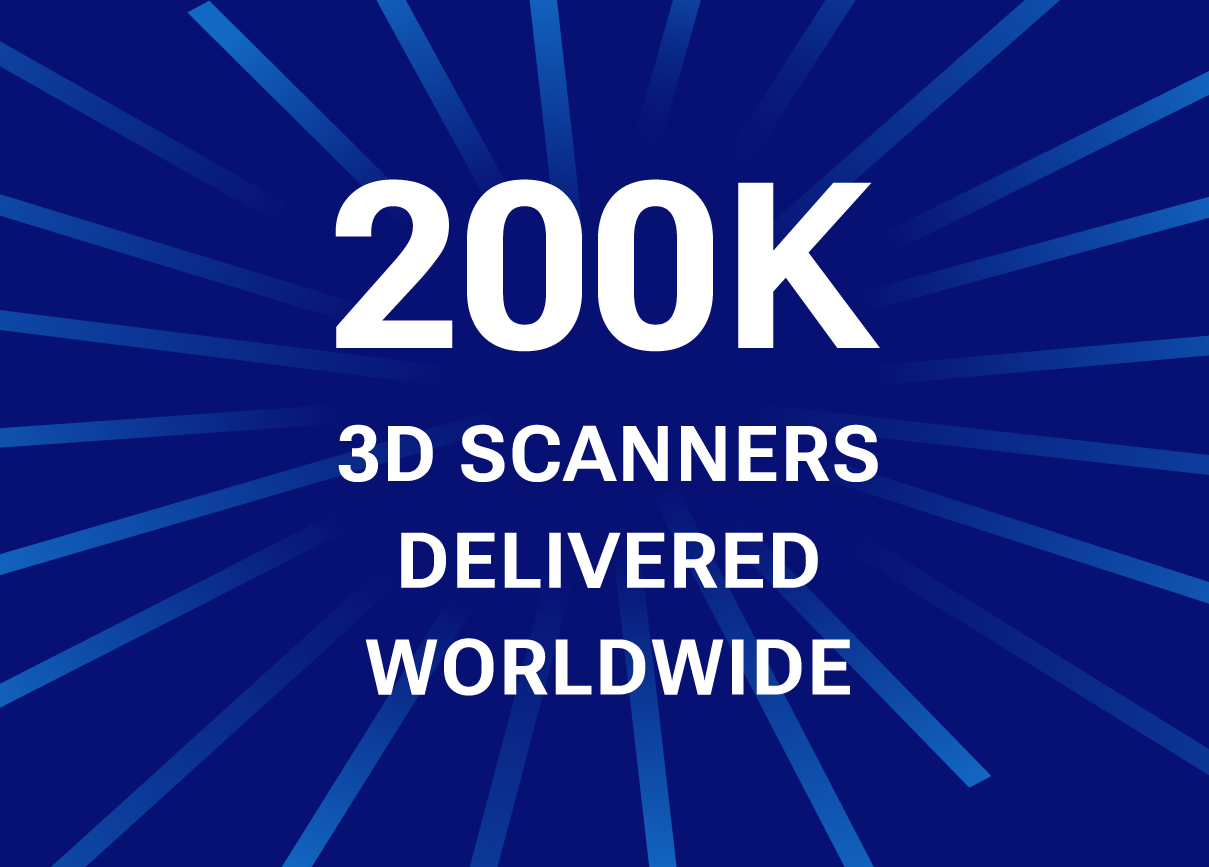
SHINING 3D scanners are served to 200K+ users over 10000+ companies in more than 170 countries, from Africa to Americas in industries of civil aviation, automotive, education, medical, and personal hobbies.

Become a Reseller →
Partner with us to bring high-accuracy 3D vision solutions to the world! Together, let’s make advanced 3D scanning technology accessible to industries everywhere.

Book a Demo →
Validate the 3D scanning performace onsite or online. Book a demo of your parts with our expert enginneers!

Loyal Client Trade-In →
Trade in your existing 3D scanner and move up to the latest SHINING 3D technology with exclusive upgrade benefits for loyal users.
-
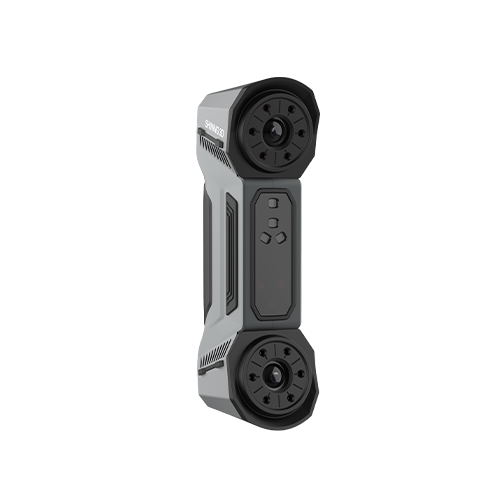
FreeScan Combo Series
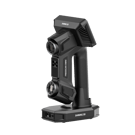
Entry-level metrology handheld scanner with a combination of blue laser and infrared light for diverse industrial 3D scanning scenarios.
-
Scan Accuracy
0.02 mm -
Volumetric Accuracy
0.02 + 0.033 mm/m -
Scan Speed
3,600,000 points/s (FreeScan Combo+)
1,860,000 points/s (FreeScan Combo)
-
Point Distance
0.05 ~ 10 mm -
Maximum FOV
520 x 510 mm -
Material Adaptability
Normal / Dark / Reflective -
Type of light source
Laser + Infrared VCSEL -
Align Mode
Feature Alignment / Marker Alignment
-
-
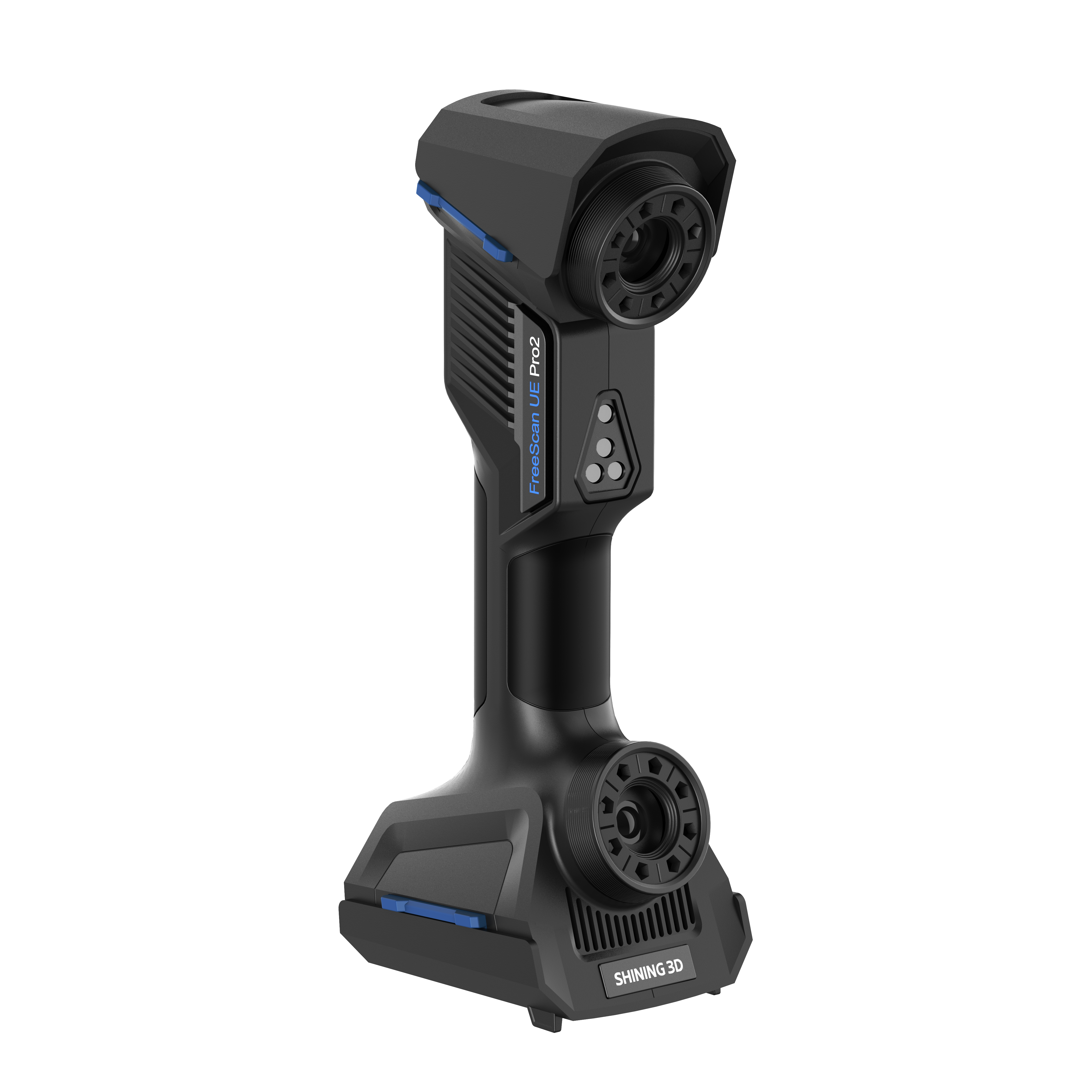
FreeScan UE Pro2
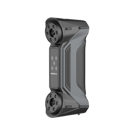
FreeScan UE Pro2 is a wireless 3D scanner with ultra-fast speed. Its versatile scan modes and light weight make it ideal for on-site inspections.
-
Scan Accuracy
-
Volumetric Accuracy
0.02 + 0.015 mm/m
-
Scan Speed
3,460,000 points/s
-
Point Distance
0.01 ~ 10 mm
-
Maximum FOV
600 x 550 mm
-
Material Adaptability
Normal / Dark / Reflective
-
Type of light source
Laser
-
Align Mode
Marker Alignment
-
-
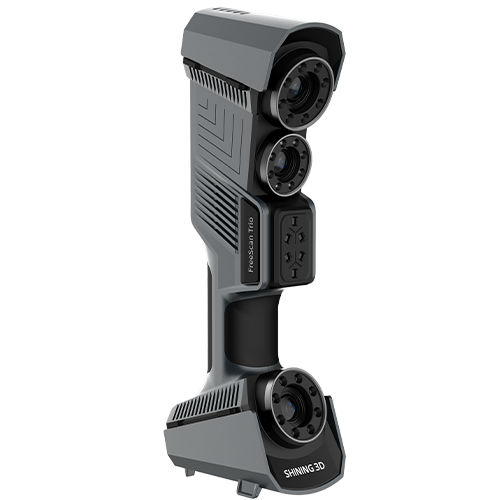
FreeScan Trio
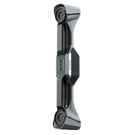
Flagship metrology handheld scanner with fast and innovative 98 laser lines for marker-free scanning. Whether you need speed or accuracy on small or large assemblies, the versatile FreeScan Trio is geared for all your projects.
-
Scan Accuracy
0.02 mm -
Volumetric Accuracy
0.02 + 0.015 mm/m -
Scan Speed
3,010,000 points/s -
Point Distance
0.01 ~ 3 mm -
Maximum FOV
650 x 580 mm -
Material Adaptability
Normal / Dark / Reflective -
Type of light source
Laser -
Align Mode
Feature Alignment / Marker Alignment
-
-
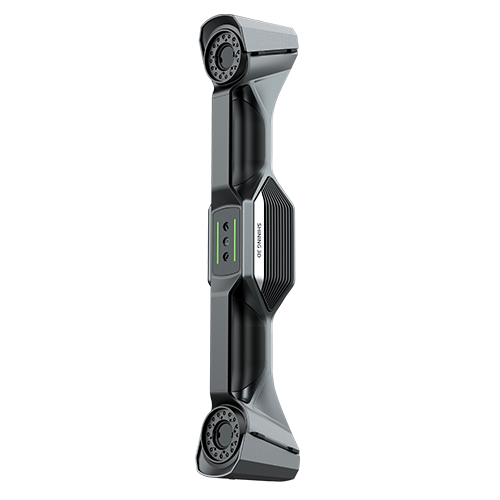
FreeScan UE Nova
FreeScan UE Nova, a wide-range wireless laser handheld 3D scanner, sets the new standard in 3D scanning with its unmatched field of view
-
Scan Accuracy
0.072 mm -
Volumetric Accuracy
0.072 + 0.012 mm/m -
Scan Speed
4,600,000 point/s -
Point Distance
0.5 ~ 10 mm
-
Maximum FOV
2600 x 2200 mm -
Material Adaptability
Normal / Dark / Reflective -
Type of light source
Laser -
Align Mode
Feature Alignment / Marker Alignment
-

Handheld 3D Scanner in Action
Discover how our handheld 3D scanner is transforming workflows and how 3D scanning technology is making a difference on the ground.
-
"With SHINING 3D's FreeScan Combo, we analyze large marine propellers in full 3D volume directly on-site rather than moving them to measurement tables. High 0.02 mm precision captures details invisible to analog tools, cutting scan and repair time by 20% while drastically improving efficiency."
Gaston Dubois,
Production Manager @ METALNOX
-

"The FreeScan UE Pro2's large scanning format and wireless function boost our efficiency tremendously. Eliminating cables makes scanning so convenient—it was love at first sight, and we knew immediately we had to buy it."
Shen Baolong,
Deputy General Manager @ Huifeng Machinery Mould
-

"The FreeScan UE Pro features photogrammetry to quickly pinpoint targets in large scenes without placing markers. Accurate, portable, and efficient, it easily inspects large structural parts, helping us produce heavy mining trucks with complete dimensional data."
,
Senior Engineer @ SANY Heavy Industry Co., Ltd
-

"Before 3D scanning, manual measurement errors cost us thousands in re-dos. SHINING 3D allows us to capture exact vehicle geometry instantly, saving immense development time and enabling us to create bespoke automotive parts with perfect fitment."
Frank Tijs,
Co-Owner @ The Landrovers
-
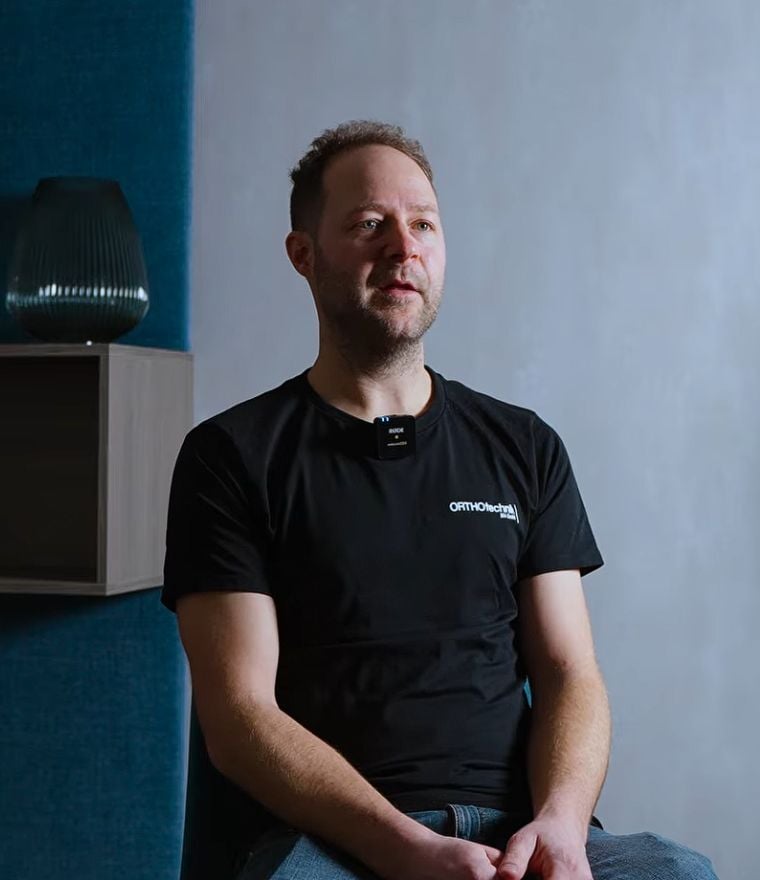
"With 3D scanning, the process works smoothly—scanning takes just 30 seconds and the children don't cry. Replacing traditional plaster casting with 3D scanners makes infant head measurement effortless, accurate, and completely safe."
Gerald Kastner,
Head of Orthopedic Technology @ ORTHOtechnik M4