
Accuracy is important because patient data serves as the foundation for subsequent rectification, fabrication, fitting, and outcome assessment.
CASE STUDIES
Published on Aug. 13th 2026
Discover how Atlantic ProCare uses accurate 3D scanning to build a data-driven O&P workflow with greater efficiency, traceability, and reproducibility.
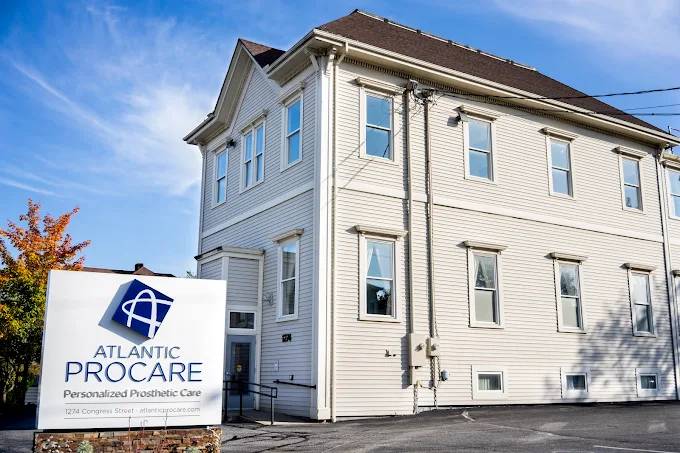
Based in the United States, Atlantic ProCare led by CPO JP Dunivan, has provided prosthetic and orthotic care with a wide range of needs for more than three decades, with a particular focus on lower extremity prosthetics and scoliosis bracing.

Atlantic ProCare
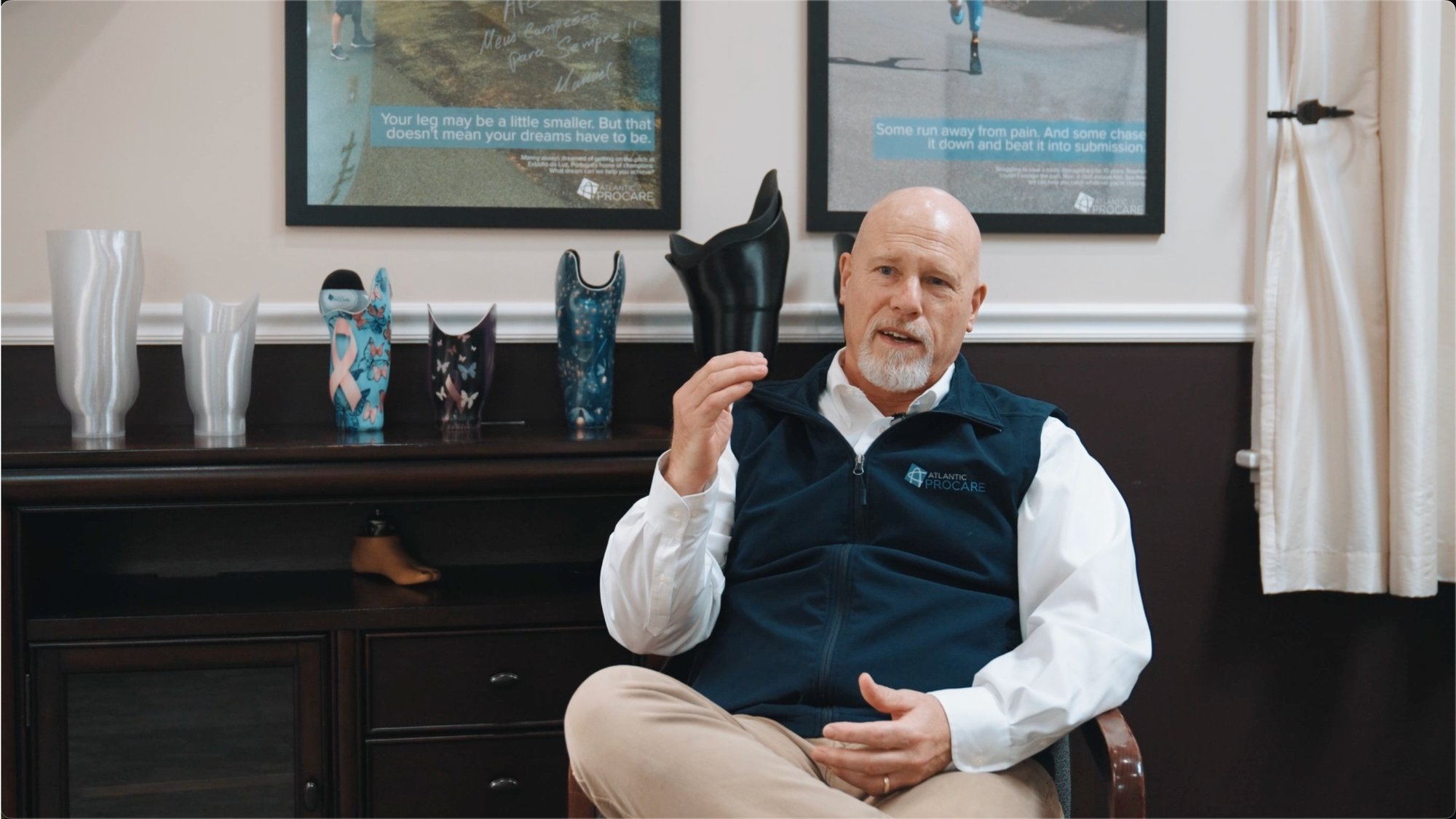
Throughout his career, JP has witnessed the transformation of O&P from highly manual processes toward increasingly digital workflows.
For Atlantic ProCare, this transformation is not simply about adopting new technology. It is about creating a better way for clinicians to spend their time, improving the accuracy of patient data, and ultimately providing better care.
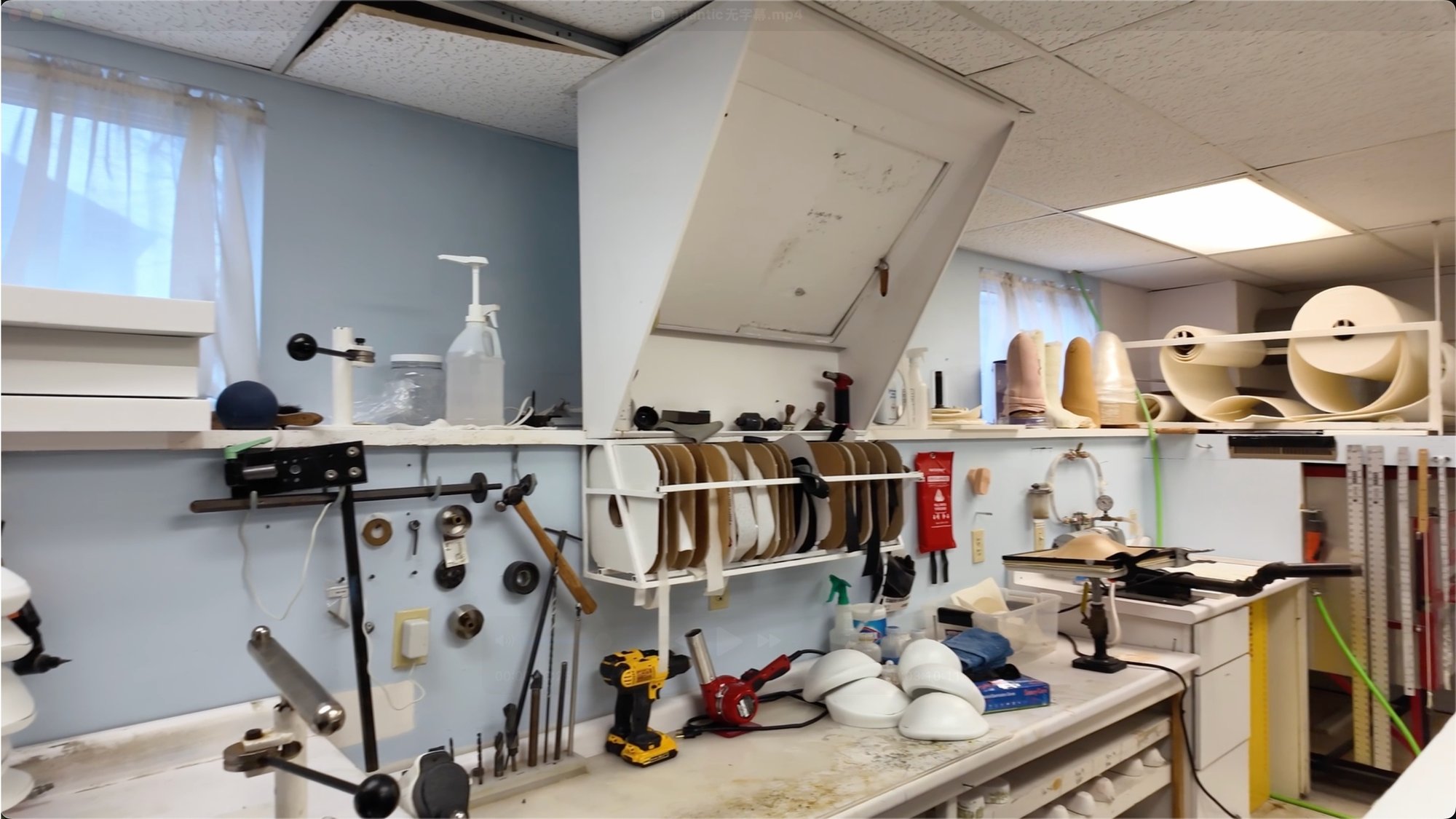
Before adopting digital technology, Atlantic ProCare relied on the conventional plaster-based workflow used throughout much of the O&P industry. Clinicians cast patients in plaster, transported molds to the lab, poured a nd modified models, and proceeded with conventional fabrication.

Conventional Method for Orthotics & Prosthetics
This approach presented three fundamental challenges:
Labor-Intensive: Heavy reliance on manual craftsmanship.
Time-Consuming: Clinicians spent hours on lab-related tasks instead of direct patient care.
Inconsistent Quality: Difficult to maintain repeatable accuracy across different models and practitioners.
This created a critical operational question: How can clinicians spend less time in the lab and more time doing what they do best—working directly with patients?
Atlantic ProCare views 3D scanning not as an isolated step, but as the critical starting point of a comprehensive digital ecosystem. The practice envisions a seamless pipeline:
3D Scanning for Patient Data → Digital model → Rectification → Fabrication → Fitting & Delivery → Electronic records → Clinical Outcome Measurement
JP describes this as the ultimate digital workflow: a comprehensive cycle where patient information moves seamlessly from the initial scan, through digital fabrication and fitting, and extends into long-term clinical outcome measurement. This allows clinicians to accurately track treatment progress and structural changes over time against the initial 3D baseline.
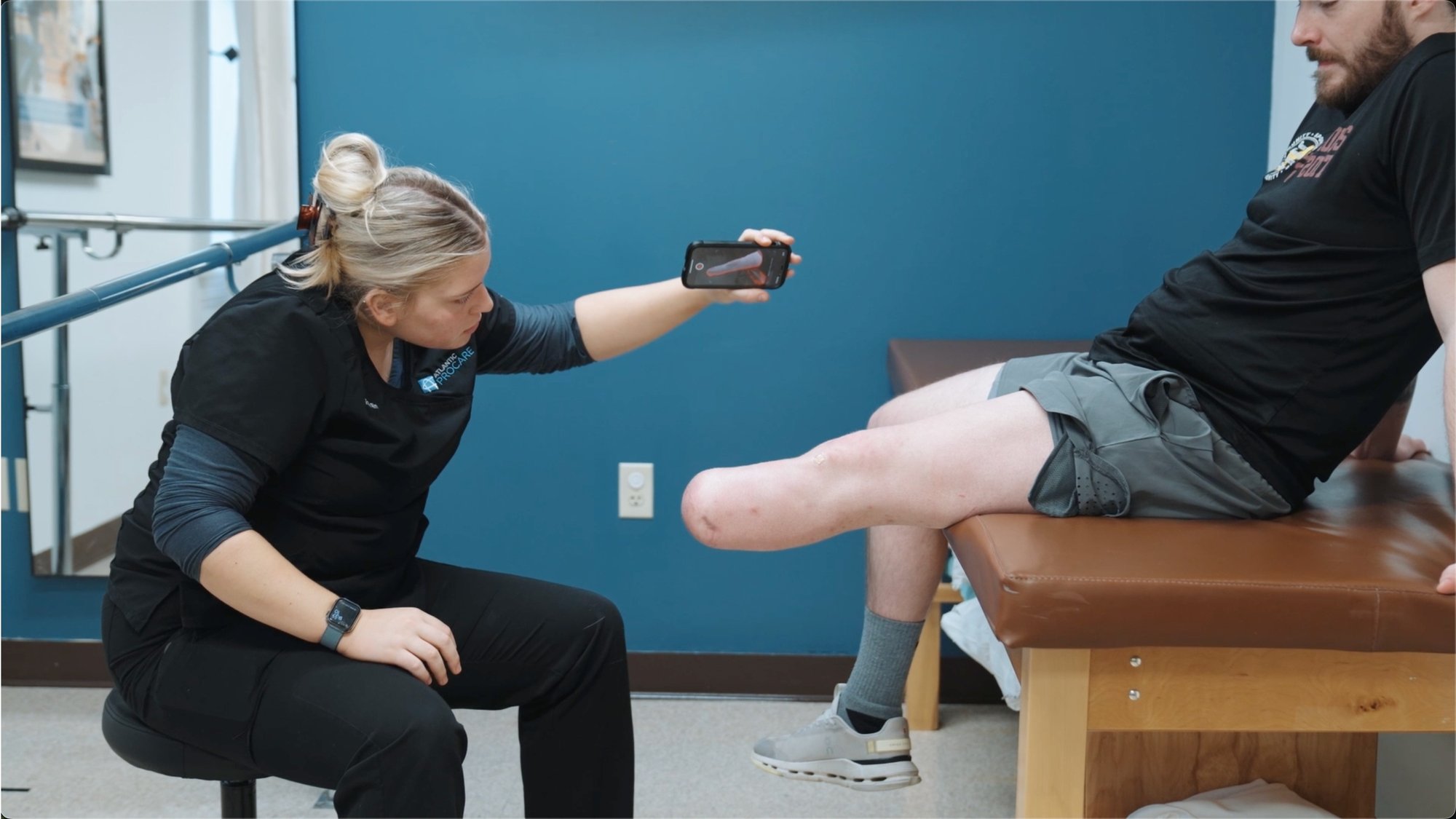
Before adopting professional 3D scanning technology, Atlantic ProCare experimented with several digital acquisition methods, such as Phone-based scanning and other CAD scanning techniques.

Phone-based scanning APP
These solutions offered clear advantages in terms of convenience and portability. But convenience alone was not enough. The team found that the accuracy of previous digital acquisition methods did not always meet their expectations, particularly in prosthetics.
If the initial scan is inaccurate, clinicians will ultimately modify an inaccurate model. No matter how sophisticated the downstream workflow is, the quality of the final result is constrained by the quality of the data at the beginning.
“Consistency and reproducibility can't happen without accuracy.”
This became one of the key reasons Atlantic ProCare began looking for a professional 3D scanning solution.


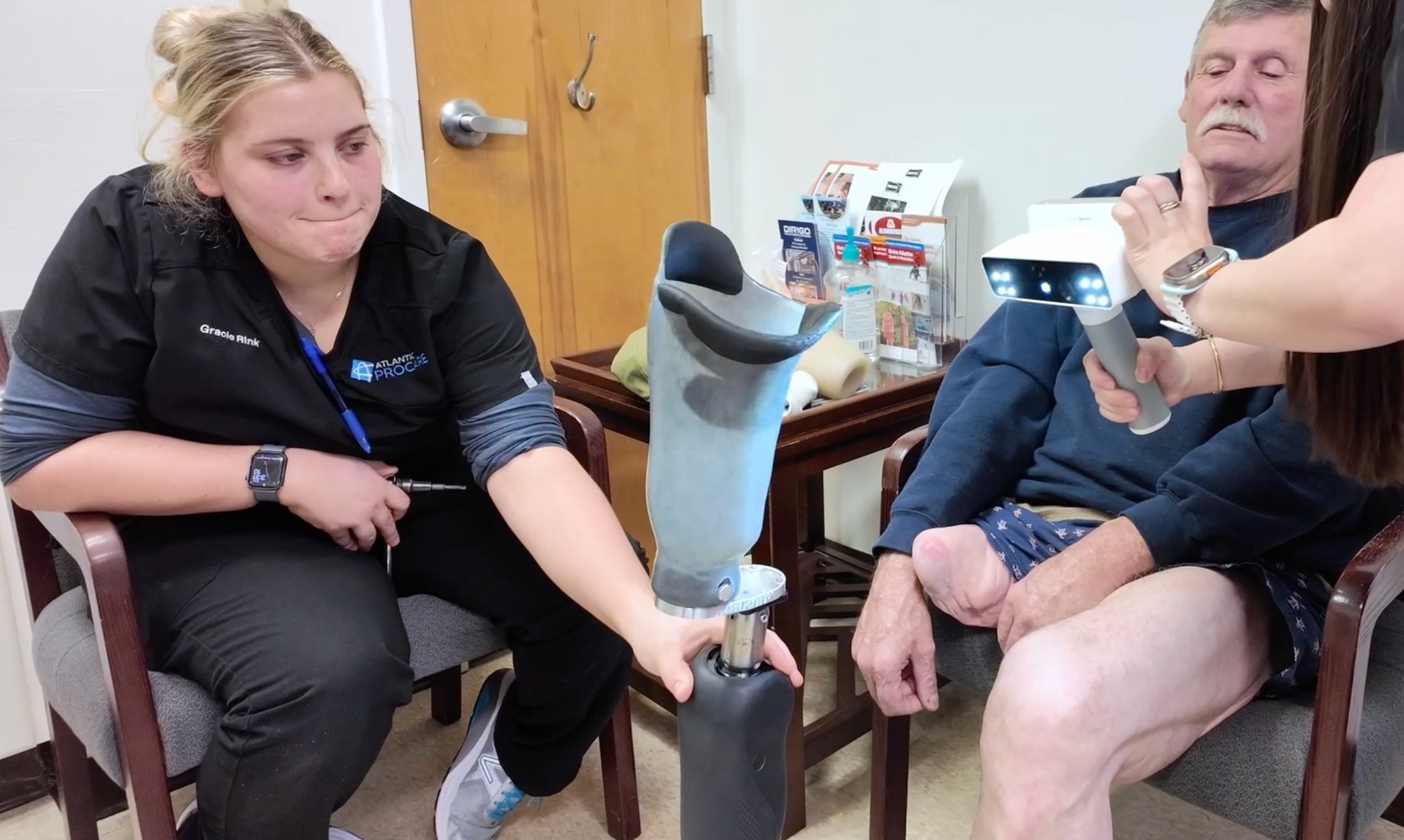
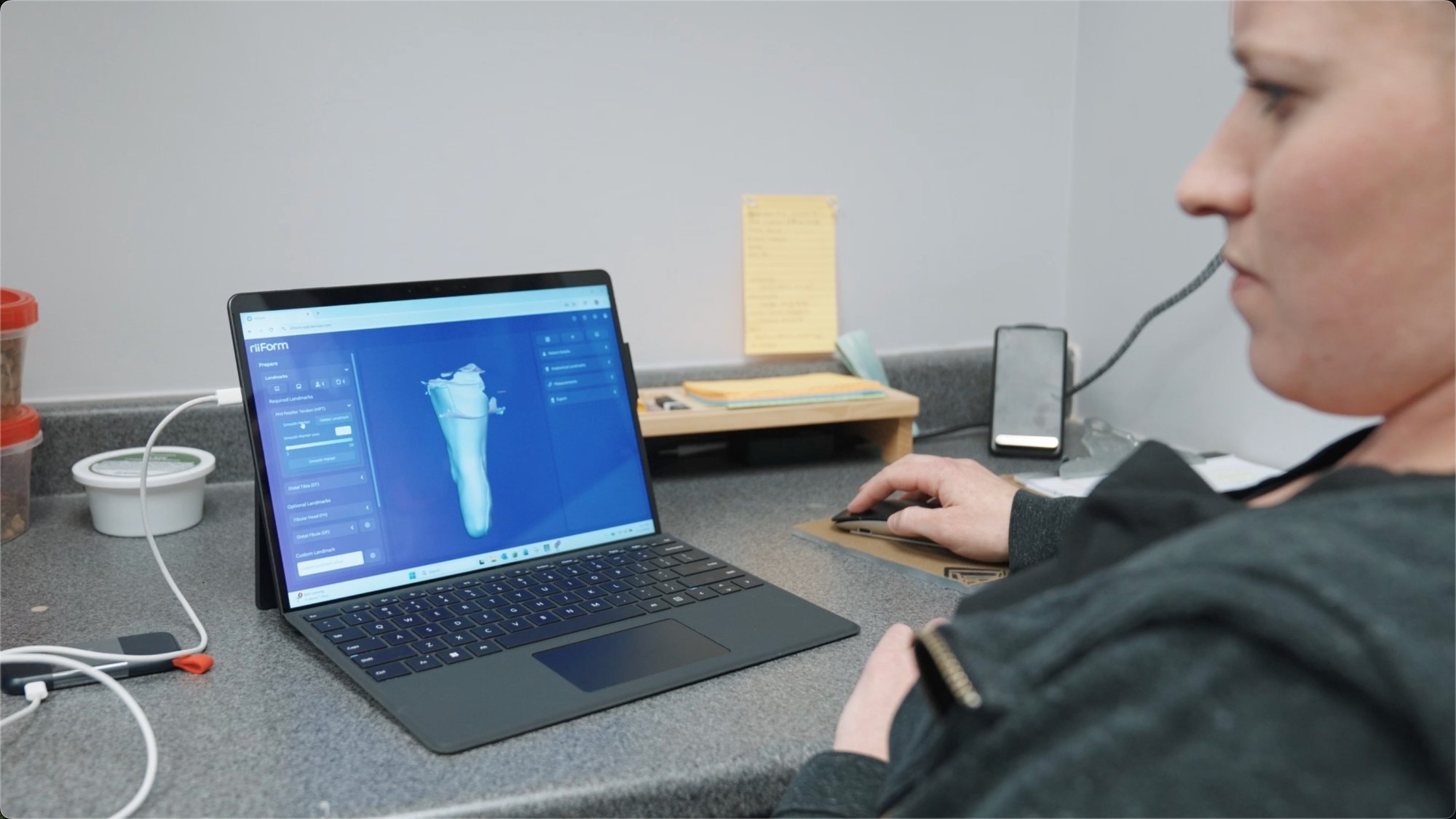
Scanning socket with EinScan Medixa
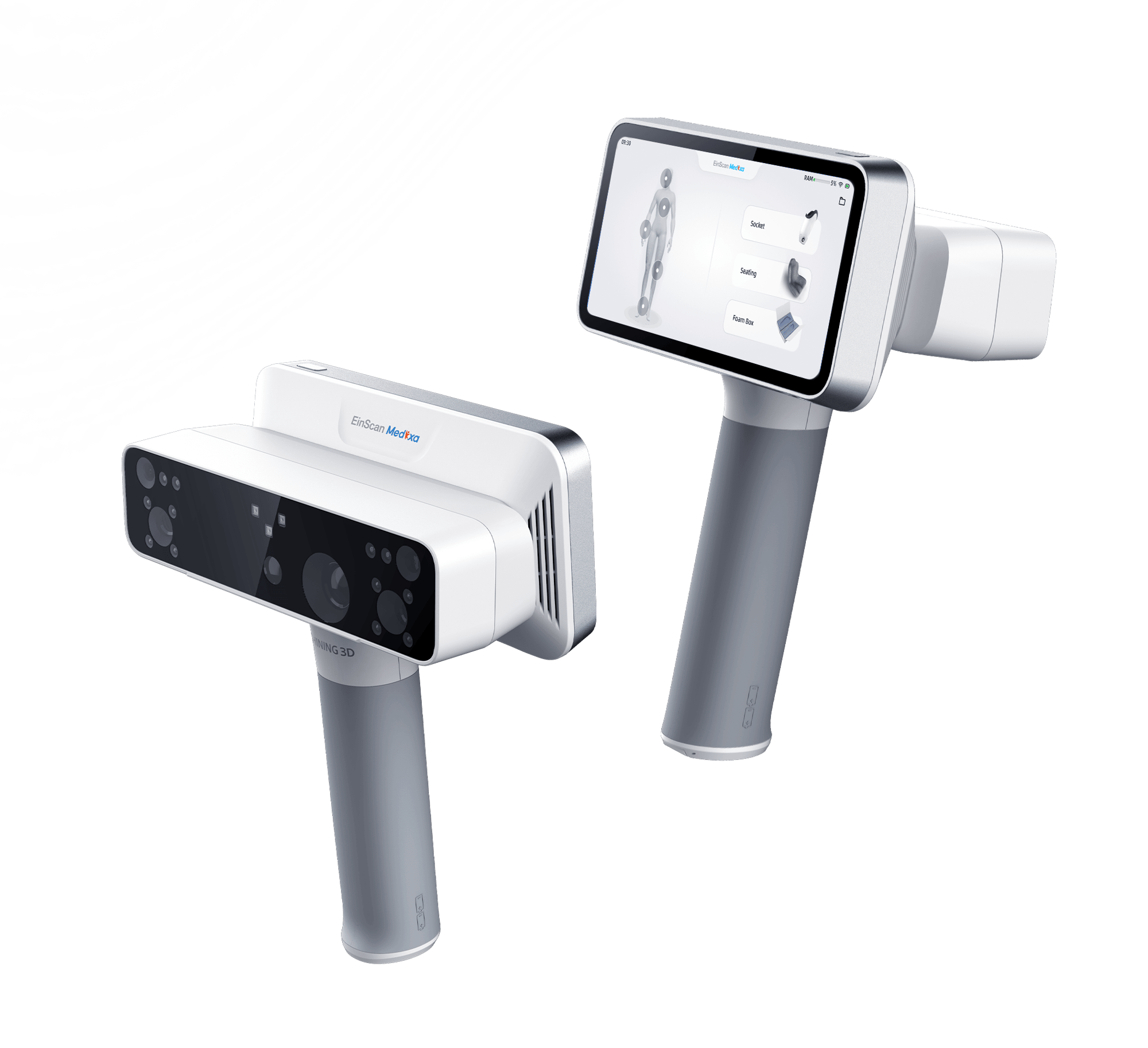
However, accuracy alone wasn't enough; the tool had to fit seamlessly into a busy, dynamic clinical environment. EinScan Medixa bridged this gap by combining clinical-grade precision with workflow-accelerating features:
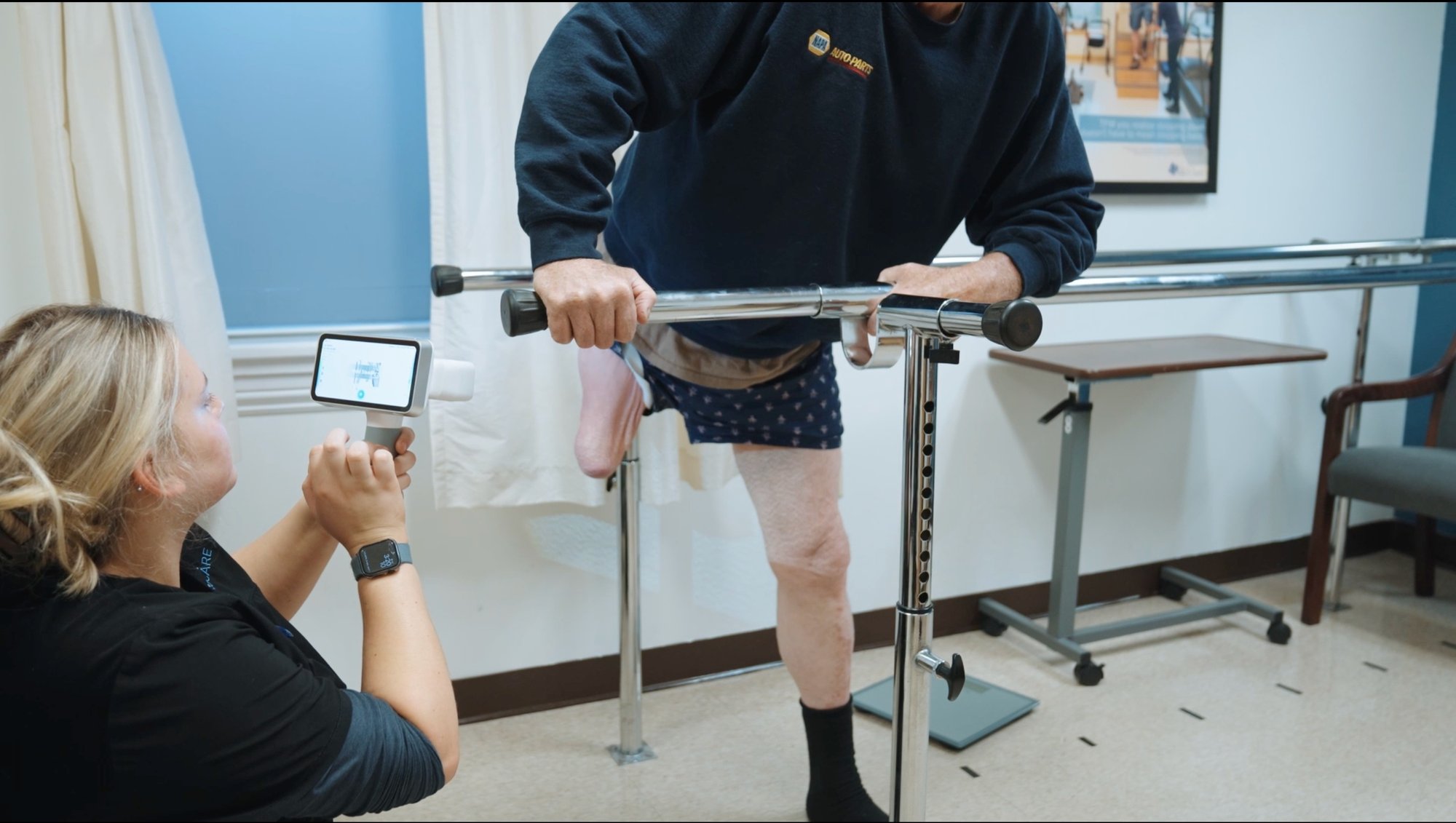
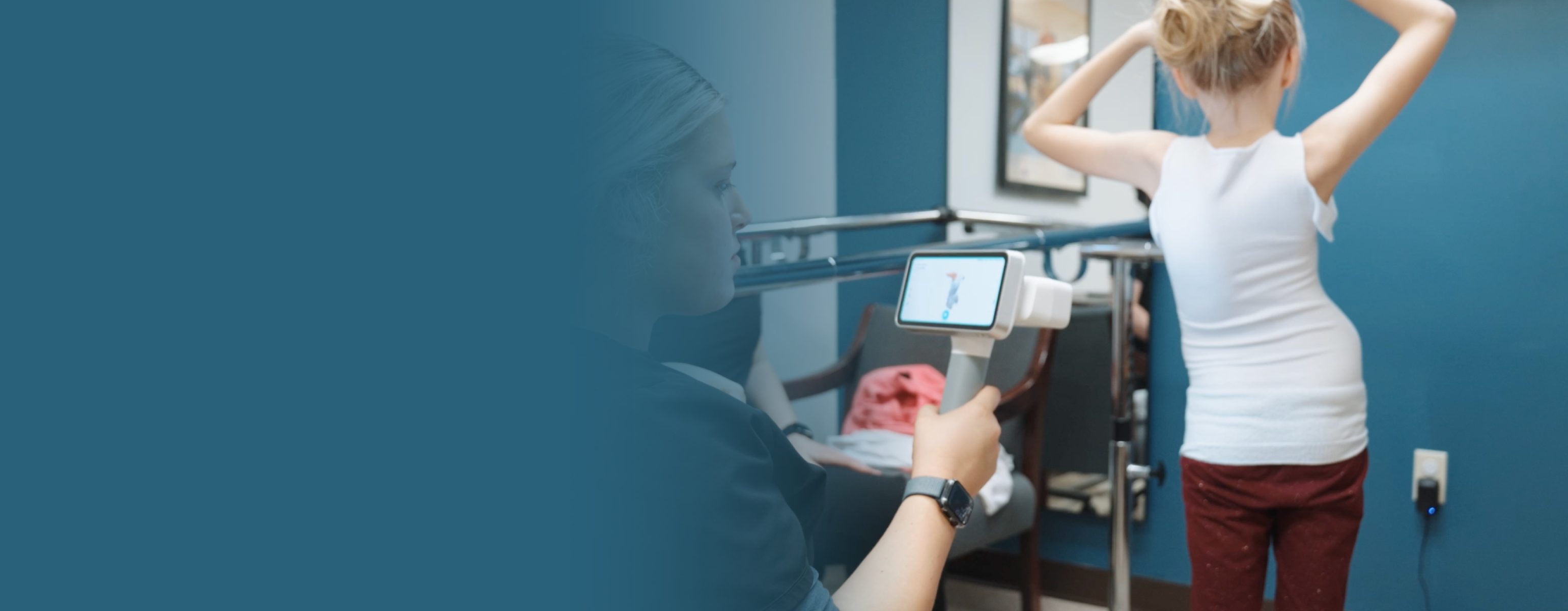
Untethered Portability: The wireless design allows clinicians to move freely around a patient in examination rooms, hospitals, or even at home without being restricted by cables or bulky equipment.

Clinician using wireless EinScan Medixa for patient gait assessment.
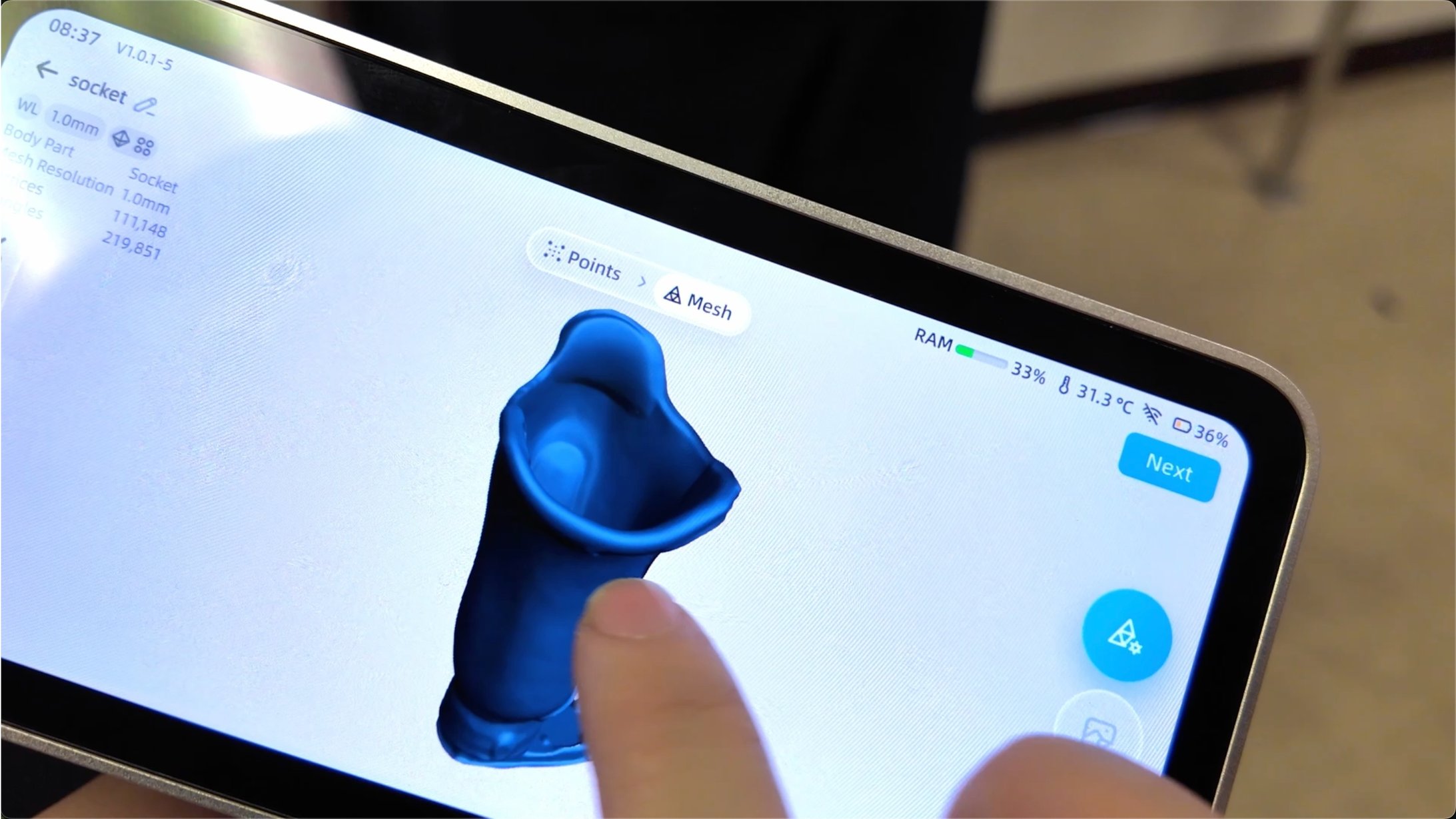
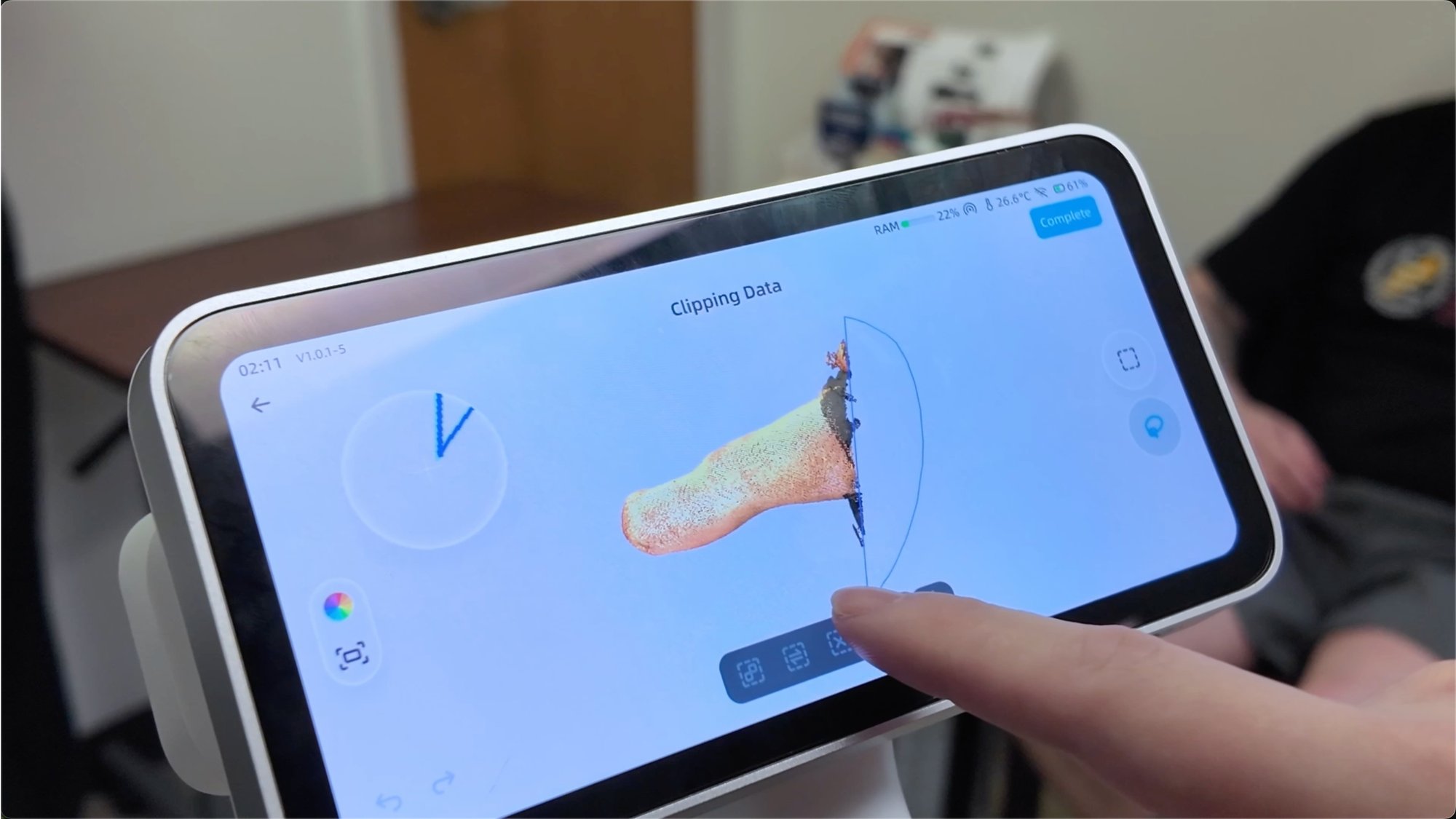
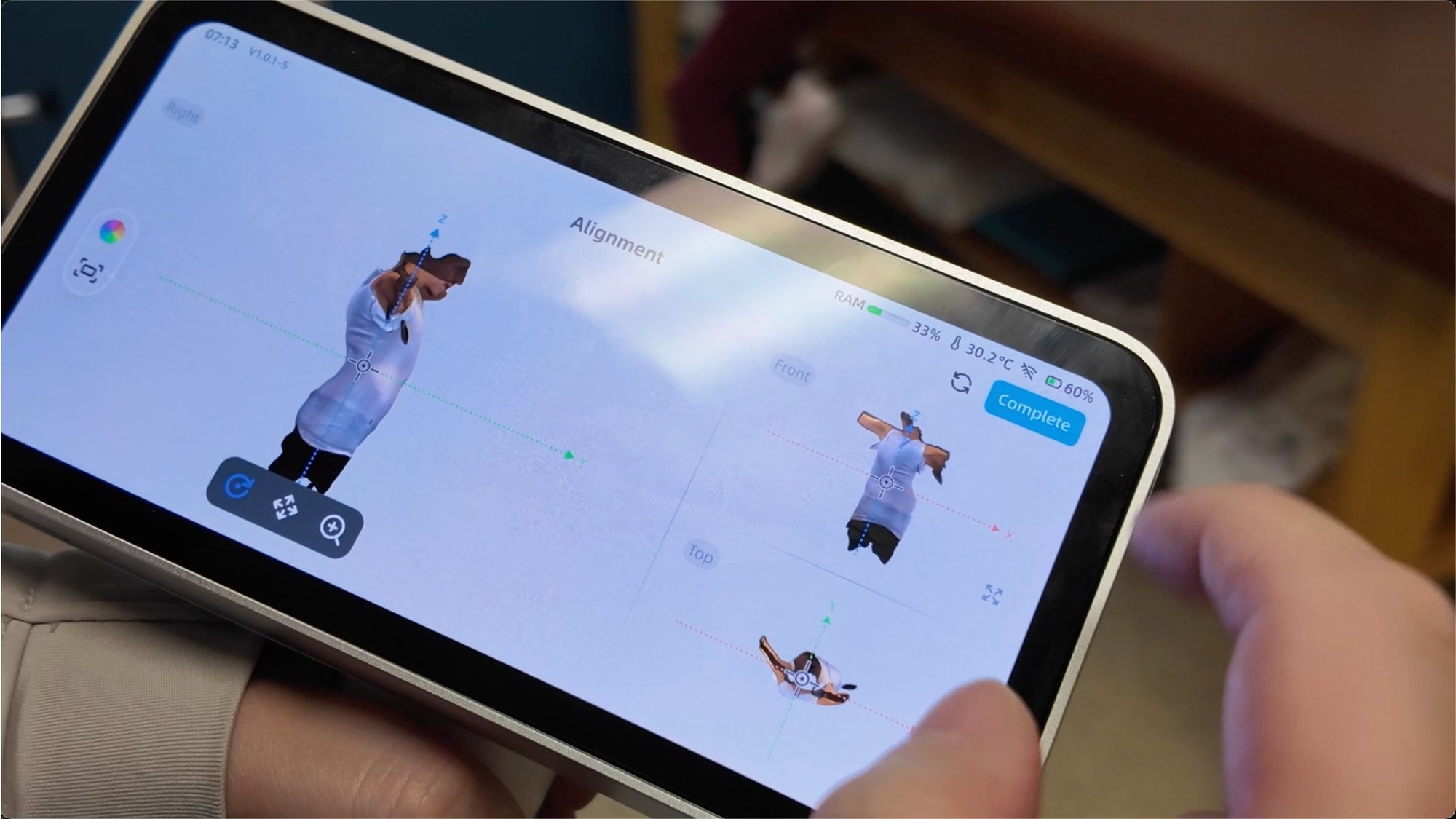
Immediate On-Device Processing: Clinicians can perform preliminary data processing and take basic anatomical measurements directly on the device interface. This provides instant clinical feedback and validation right at the point of care, without the need to immediately transfer data to a PC.


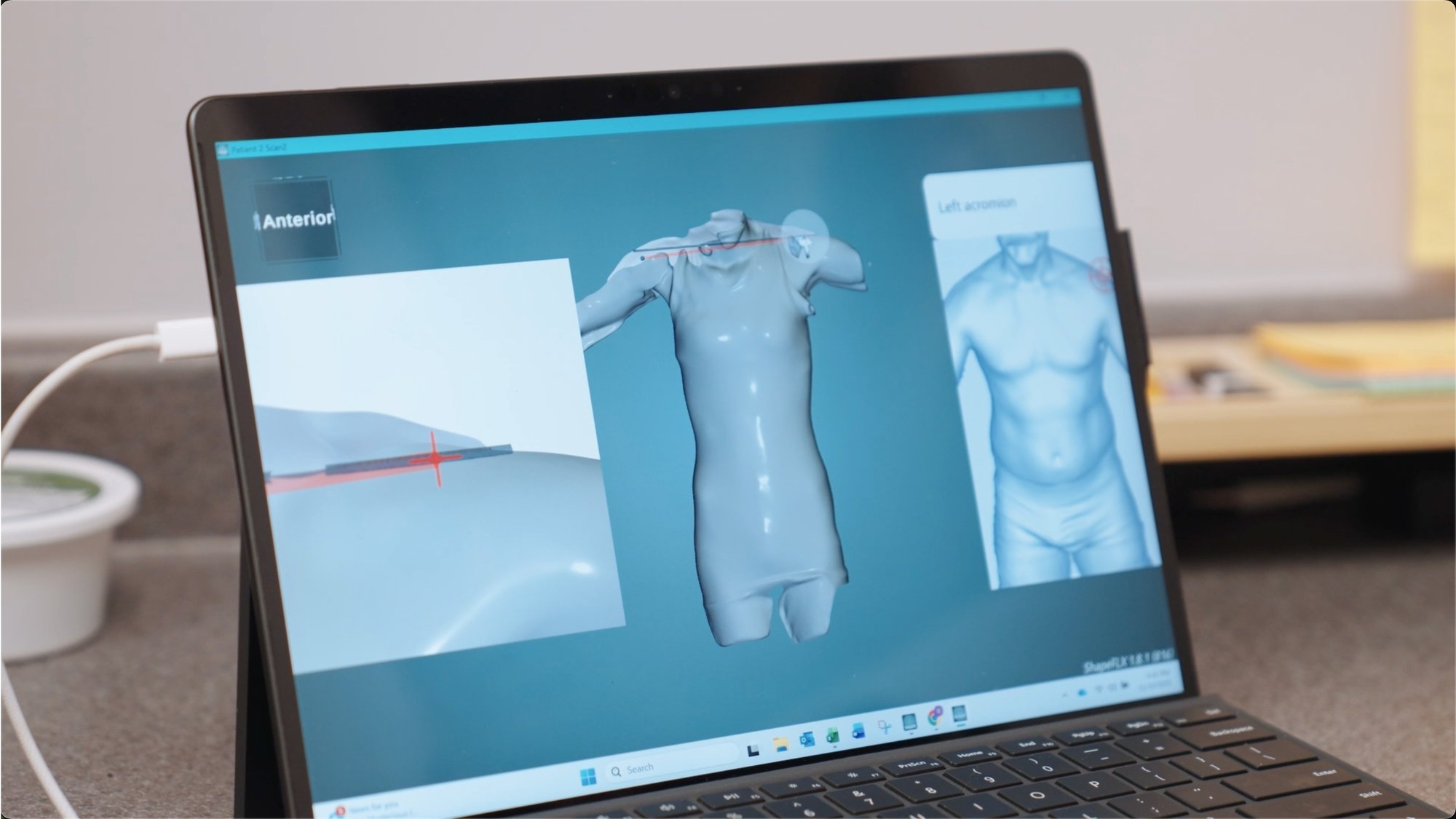
Seamless Software Integration: Medixa is designed as a connected hub rather than an isolated tool. It features streamlined data transmission that integrates effortlessly with downstream O&P design software and clinic ERP systems. Once a scan is complete, the exact patient data is rapidly and securely routed to the lab, ready for the next step of digital rectification.


Atlantic ProCare's experience demonstrates that digital transformation in prosthetics and orthotics is not simply about replacing plaster with a 3D scanner. It is about building a workflow around accurate and reliable patient data.
When patient data can be captured accurately, preserved digitally, modified systematically, and measured over time, the O&P workflow becomes more traceable and reproducible. Clinicians can spend more time with patients while building a stronger foundation for consistent and reproducible care.

A wireless, all-in-one 3D scanner is designed specifically for orthotics and prosthetics. The contact-free and fully digital method empowers O&P clinicians to deliver patient care with greater efficiency, precision, and ease.
Looking ahead, JP sees AI and digital technologies continuing to reshape O&P—helping reduce downtime, improve efficiency, and create more opportunities for patient-facing care.
Ultimately, the technology serves a simple goal: better patient care.

“I want to deliver care that's highly effective and really wow them with our care because we took the time to know them, understand their needs, and provide them that level of mobility they may not have had without us.”
Accuracy is important because patient data serves as the foundation for subsequent rectification, fabrication, fitting, and outcome assessment.
3D scanning can digitalized the patient data which can be transferred directly into software for modification and subsequent workflow steps. It can reduce manual processing and allow clinicians to spend more time with patients.
Digital patient data can be preserved, modified, measured, and compared over time. This creates a more traceable and quantifiable workflow and supports a data-driven approach to O&P care.
Digital scanning can reduce the amount of clinician time spent on physical casting and model modification. It can also be performed by another trained team member, allowing the clinician to focus on rectification and patient care.
EinScan Medixa‘s portable, wireless scanning allows clinicians to move around the patient's limb or torso without being restricted by cables. This can be particularly useful when scanning outside a conventional examination room.