


GUIDES/101
Published on Mar. 25th 2026
Building Supply Chain Resilience: How 3D Scanning & Reverse Engineering Solve Part Obsolescence
When is Reverse Engineering Necessary?
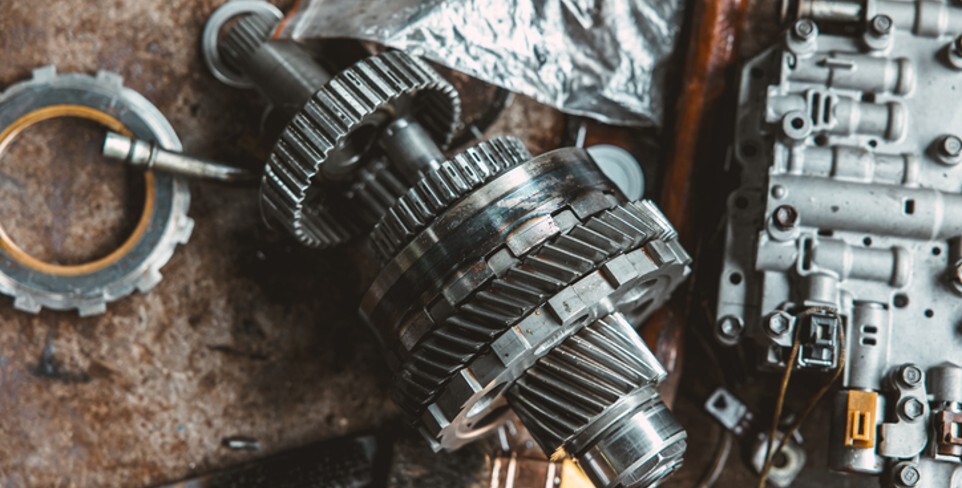
- Supply Chain Disruption: When original parts are delayed by global logistics or trade barriers.
- Legacy Maintenance: When the Original Equipment Manufacturer (OEM) no longer supports older machinery.
- Missing Documentation: When technical drawings or 3D files are unavailable, lost, or were never provided.
- Localized Optimization: When components need to be adapted or improved for specific local operating conditions.

Tehran's Golestan Palace was damaged in an airstrike
The Workflow: From Physical Part to Local Replacement
The modern RE workflow is a seamless bridge between the physical and digital worlds, typically involving three core stages:
-
High-Precision 3D Scanning: Using industrial-grade 3D scanners (ranging from handheld laser systems to high-resolution structured light sensors) to capture the exact geometry of the part as a high-density point cloud.
.jpg?width=468&height=312&name=Scan(1).jpg)
-
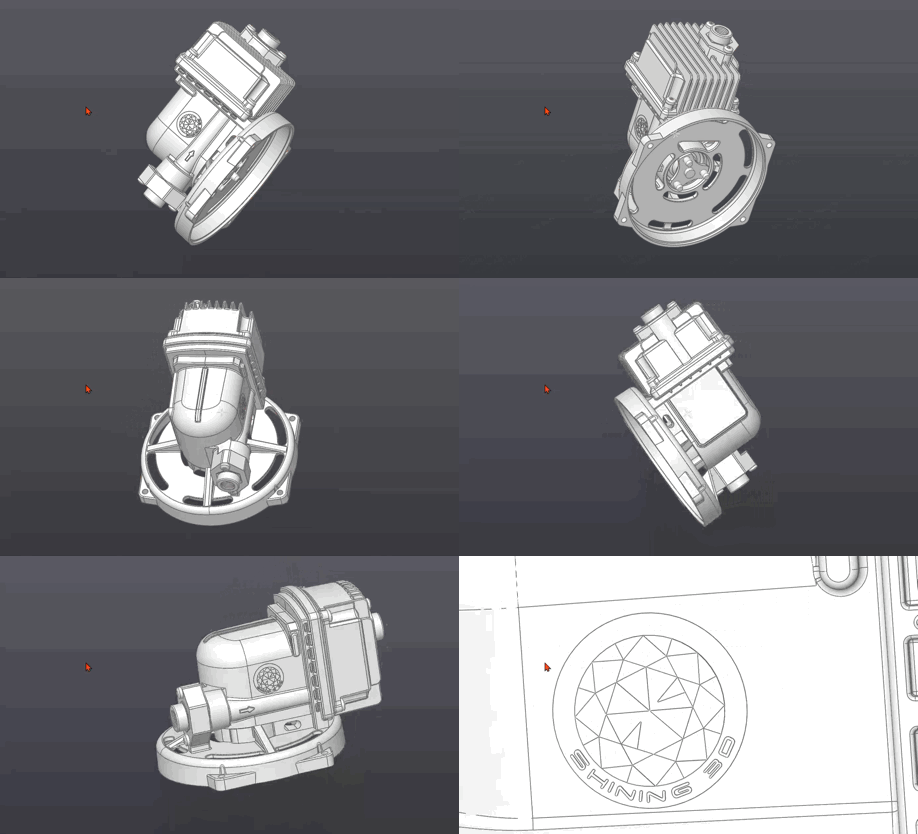
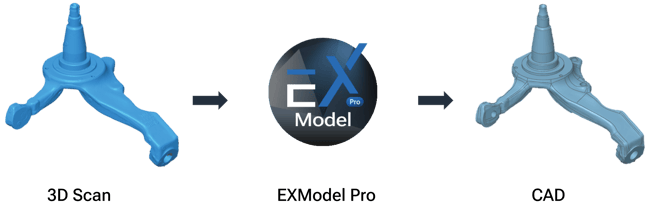
Reverse Engineering & CAD Reconstruction: Processing the scan data through specialized RE software to extract features and create a functional, editable CAD model. This stage allows for "design intent" to be restored, correcting any wear or damage on the original part.
-
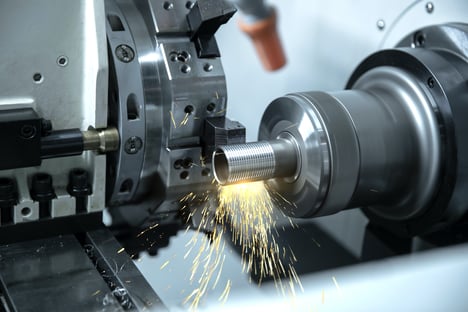
Local Manufacturing (3D Printing/CNC): The finalized CAD model is sent for production. Whether through Additive Manufacturing (3D Printing) for complex geometries or CNC Machining for high-strength metal components, the part is produced within the local ecosystem.
SHINING 3D: A Trusted Foundation for Advanced Reverse Engineering
To transform a physical component into a precision digital asset, the hardware used must deliver more than just a mesh—it must deliver confidence. SHINING 3D provides a high-performance ecosystem that acts as a reliable bridge between reality and digital design, ensuring that engineers have the data integrity they need for complex reconstruction.
-
Metrology-Grade Reliability: Our industrial scanning lines are developed and tested in strict accordance with international standards, including ISO 10360 and VDI/VDE 2634. This ensures micron-level repeatability and traceable accuracy that professional engineers can depend on.
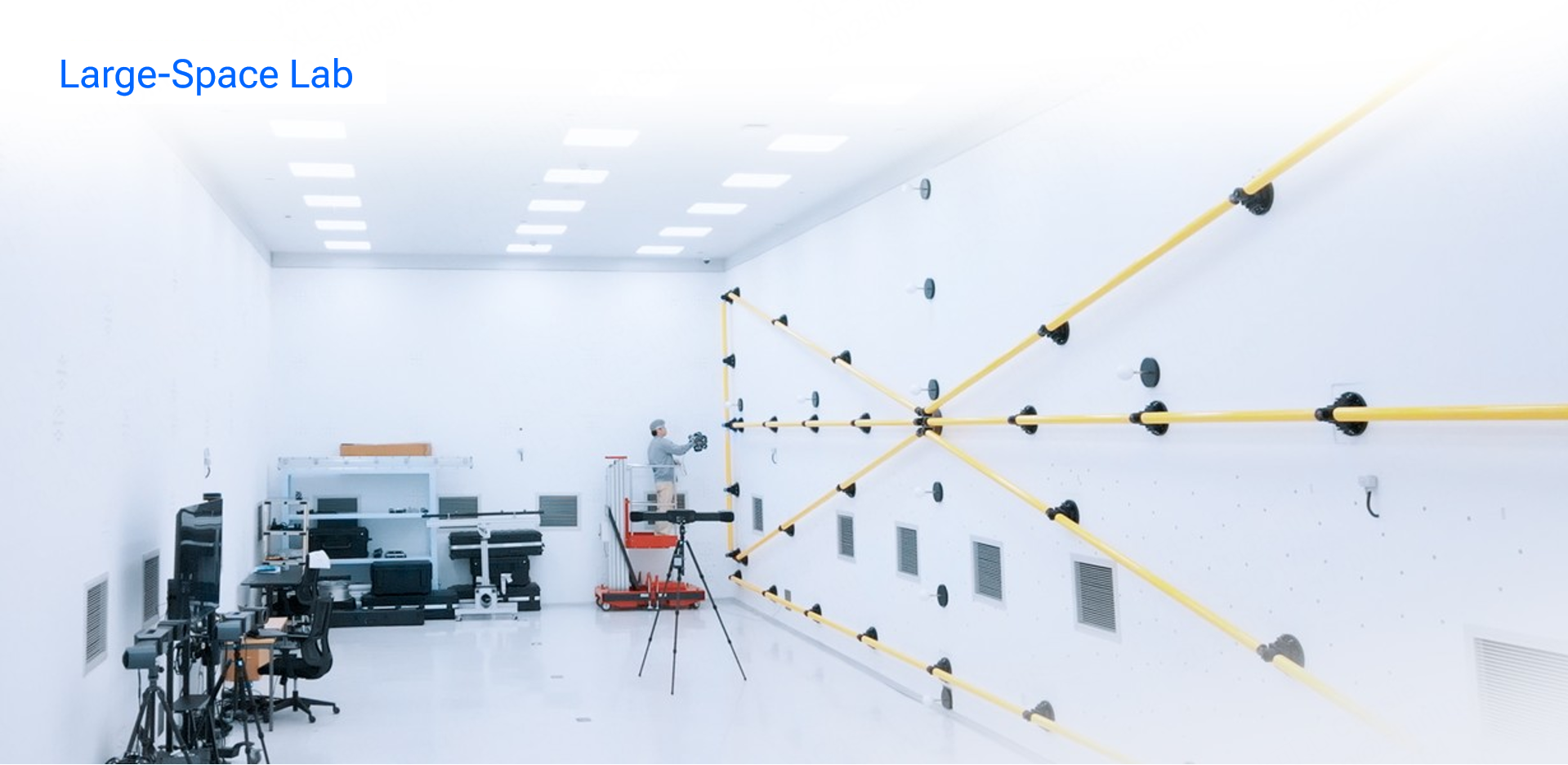
- In-House Precision Calibration Laboratories: Every system is backed by our dedicated, state-of-the-art precision labs. This internal infrastructure allows us to maintain rigorous quality control and provide continuous verification of sensor performance throughout the product lifecycle.
-
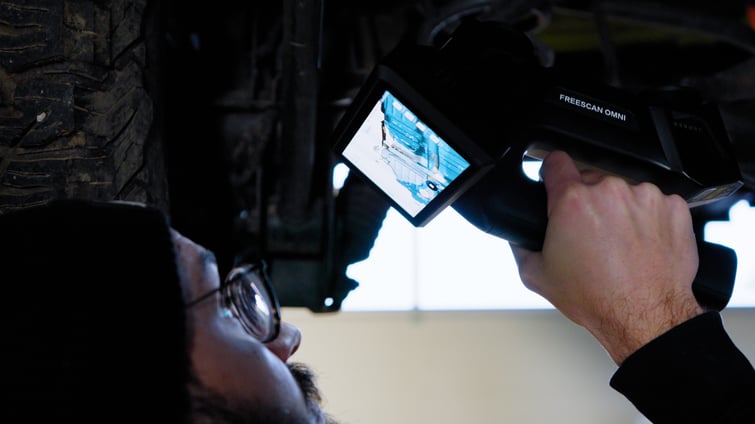
Versatility Across Surfaces: SHINING 3D systems excel in diverse environments. Whether dealing with the dark, reflective surfaces of automotive parts or the intricate geometries of aerospace components, our technology captures clean data without extensive surface preparation.
-
Streamlined "Scan-to-Design" Workflow: We simplify the path from physical scan to production-ready CAD. By integrating our scanners with powerful software such as EXModel, we provide an intuitive, end-to-end environment that empowers engineering teams to restore design intent more efficiently.
-
Global Technical Pedigree: With years of expertise in high-end 3D metrology, SHINING 3D offers more than just equipment. We provide the technical depth and global support network required to sustain professional-grade R&D and maintenance operations.
- Automated & High-Volume Inspection: Beyond individual part reconstruction, our technology supports automated 3D inspection workflows. By integrating robotic cells and batch processing capabilities, we enable enterprises to conduct high-volume quality control with consistent precision, significantly increasing throughput for localized production lines.
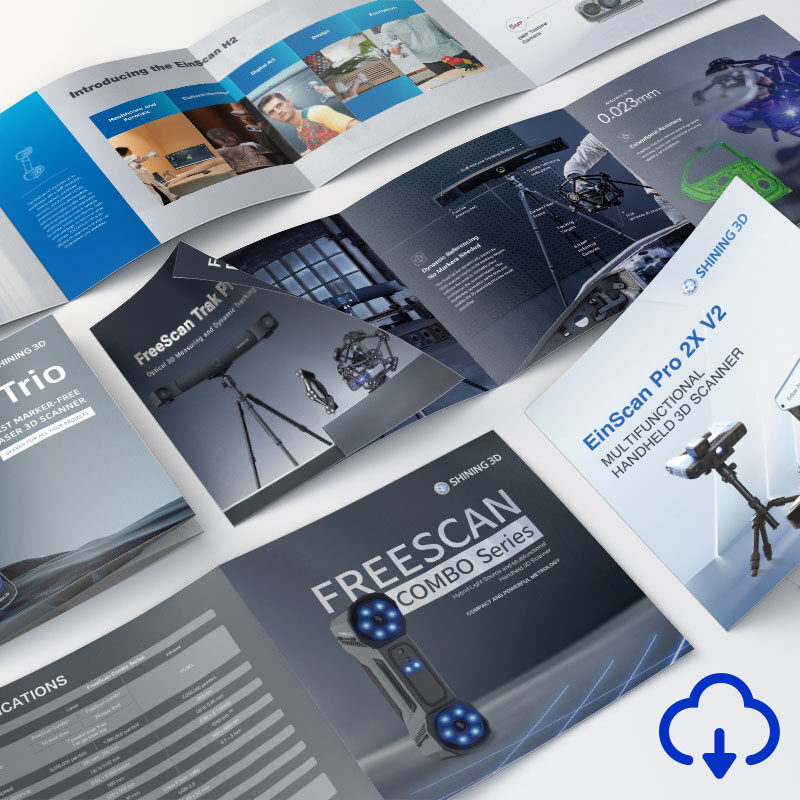
Discover the product you're looking for
- Full specifications
- Using scenarios
- Key features
- Even comes with a bundle!
Cross-Industry Applications: A Universal Solution
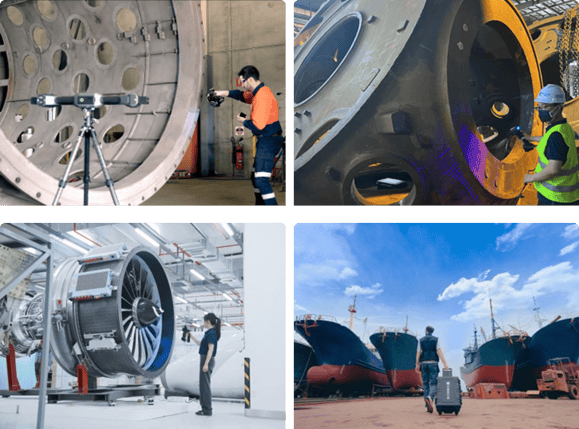
3D scanning is a horizontal technology capable of solving critical bottlenecks across diverse sectors:
-
Aerospace & Aviation: Replicating non-critical interior components or specialized tooling to keep fleets operational when global parts pools are strained.
-
Machinery & Manufacturing: Producing high-wear gears, bushings, and customized actuators for automated production lines.
-
Construction & Heavy Equipment: Keeping specialized excavation and earthmoving rigs running by recreating hydraulic fittings and structural pins locally.
-
Infrastructure & Energy: Maintaining pumps, valves, and turbines in remote locations where waiting for imported spares is not an option.
-
Maritime & Shipbuilding: On-site scanning of large-scale mechanical assemblies for rapid local casting and repair.
In the Middle East, the push for industrial diversification (such as Vision 2030 initiatives) has accelerated the adoption of 3D metrology. By localizing the production of parts for Machinery, Oil & Gas infrastructure, and Construction, regional players are significantly reducing their exposure to global supply chain volatility.
Facing challenges with discontinued spare parts?
Contact our technical experts today for a 3D scanning and RE solution tailored to your needs.
Share on Social Media


