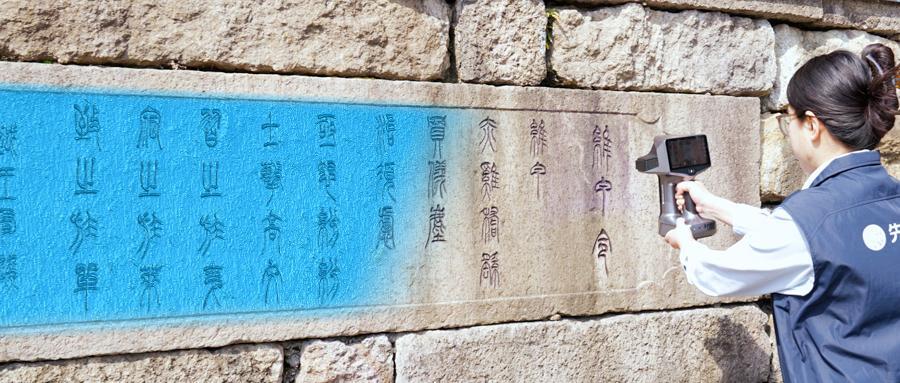
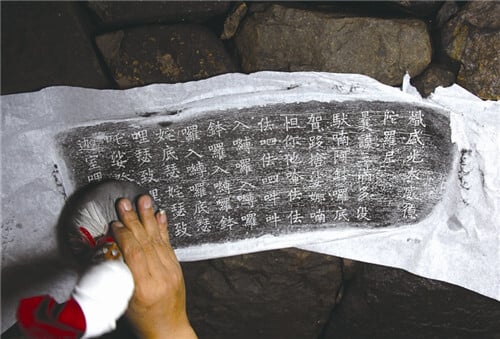
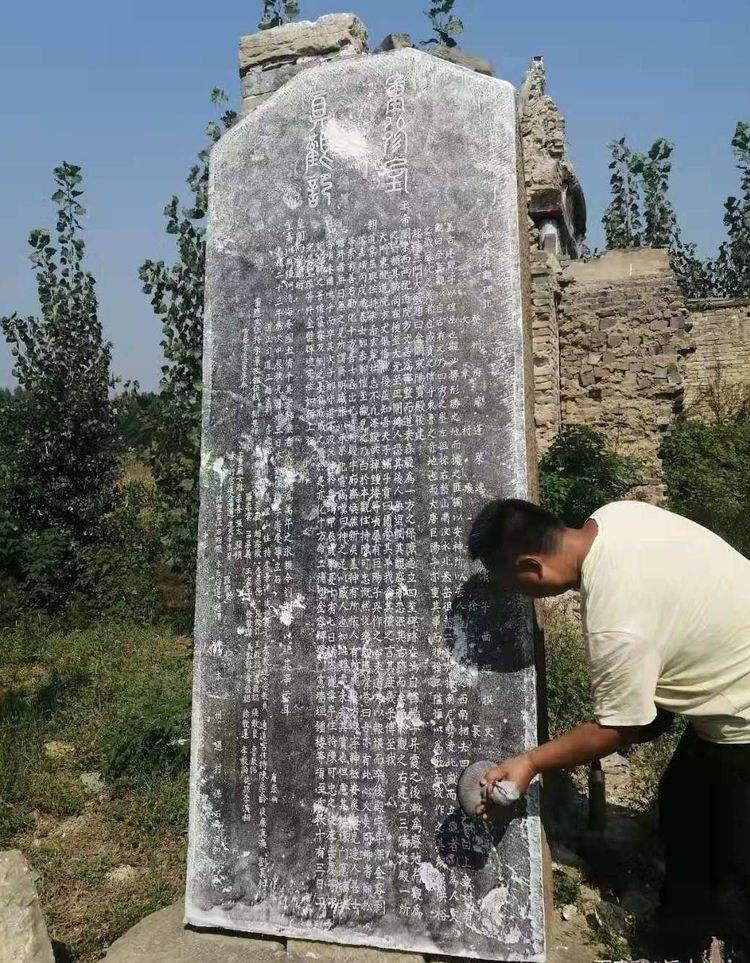
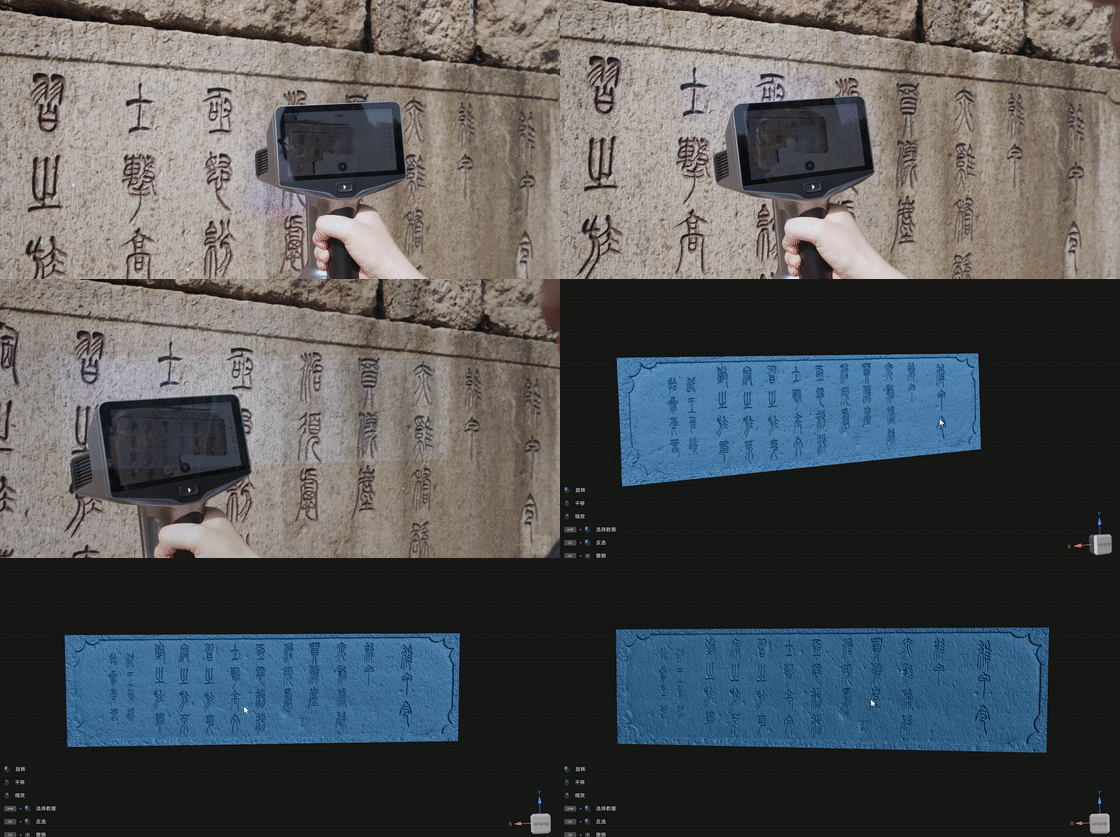
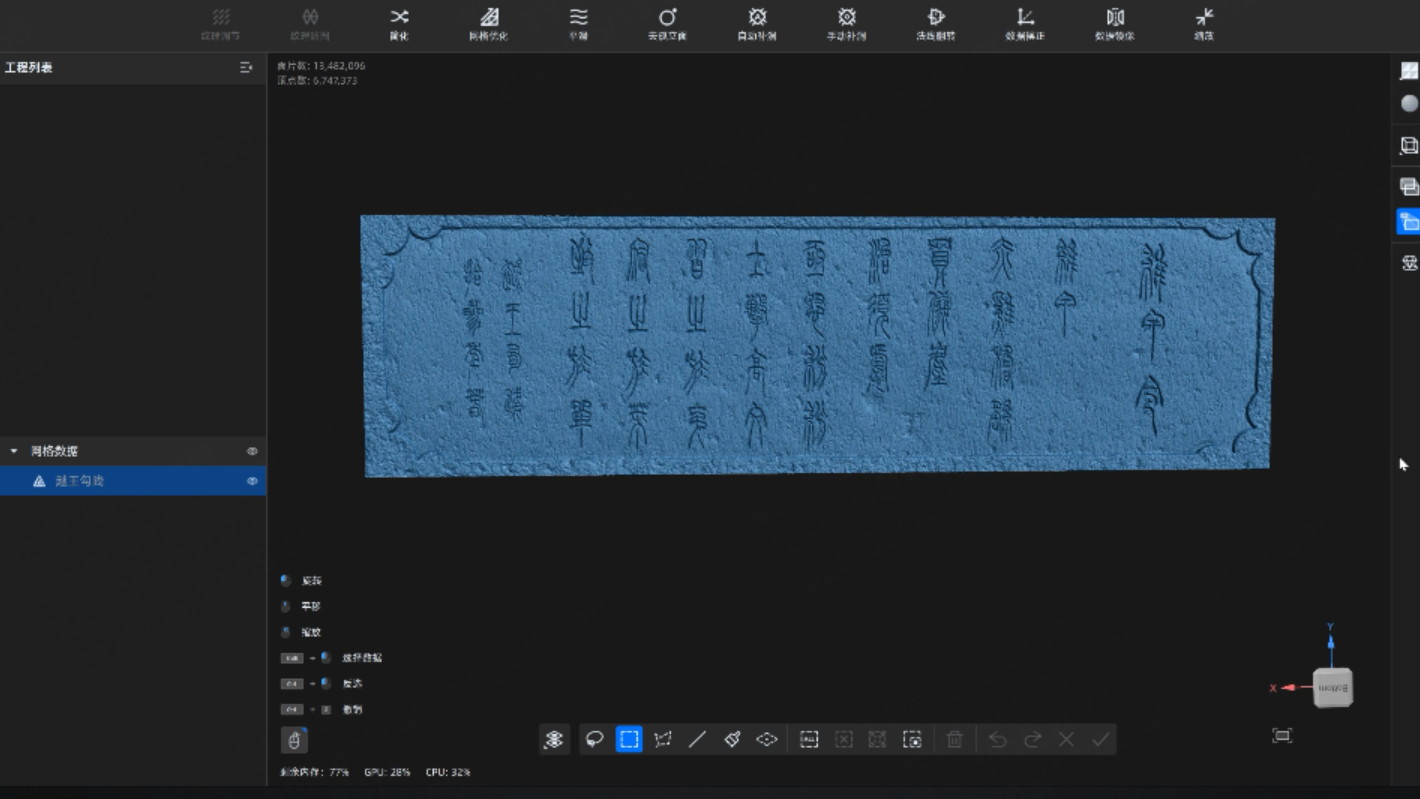
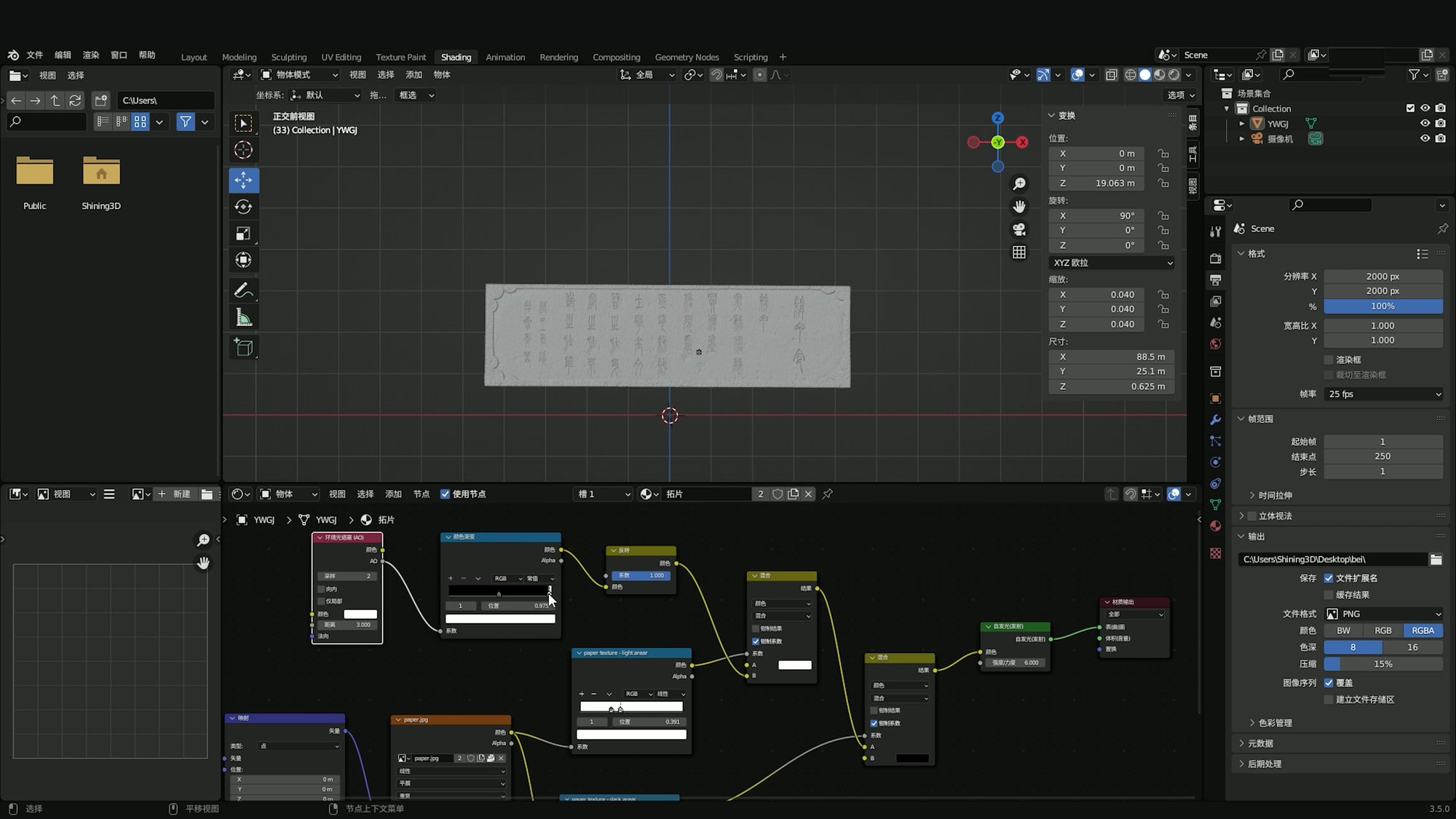
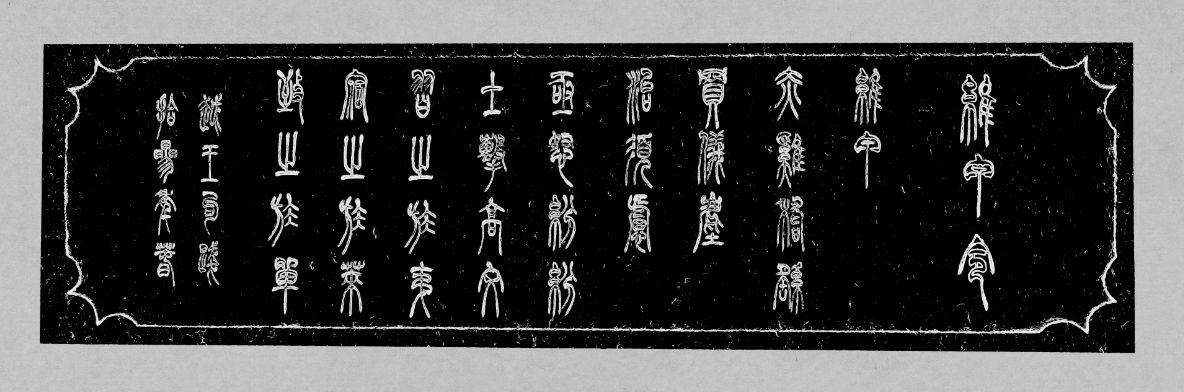
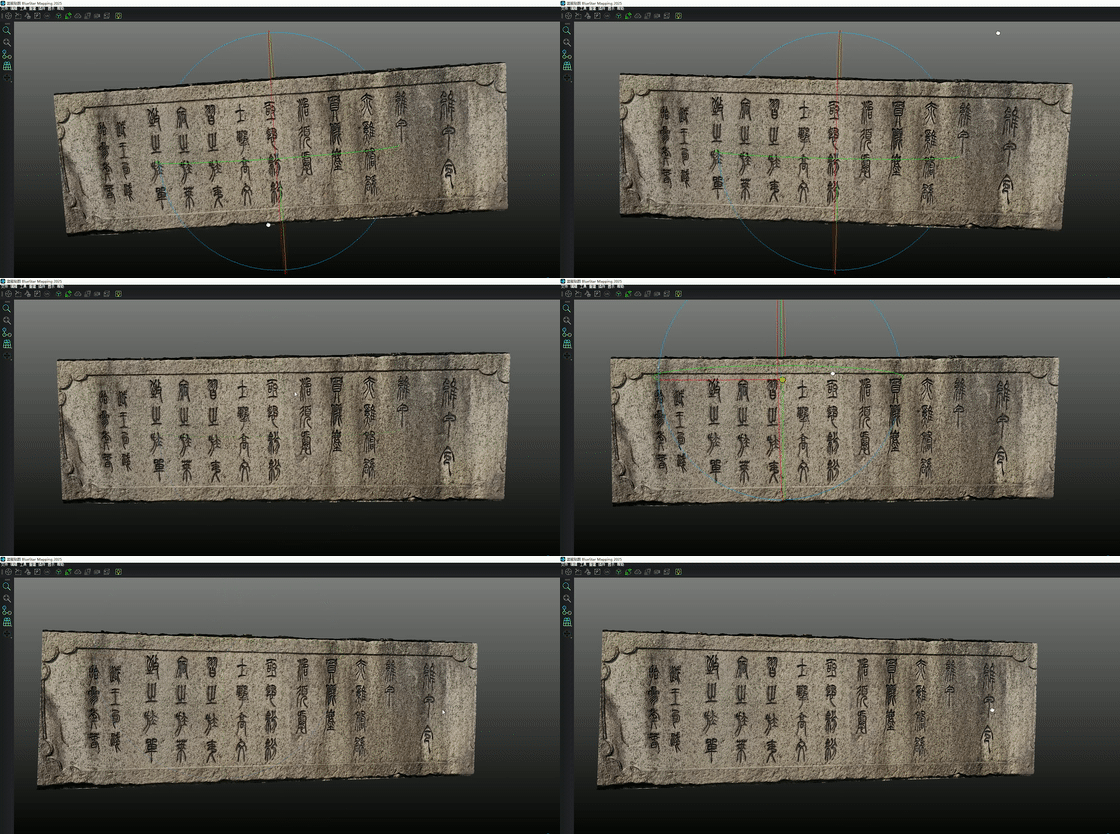
The application of high-precision 3D scanning to digital stone rubbing has far-reaching implications. It revolutionizes the traditional rubbing process while delivering significant improvements in accuracy and preservation integrity.
From a conservation standpoint, digital rubbing eliminates the damage and contamination caused by repeated physical contact with the stone surface. The non-contact nature of the scan ensures that valuable artifacts remain untouched, preserving their original condition for future generations.
From a cost and efficiency perspective, digital rubbing removes the labor-intensive, skill-dependent variability of traditional methods. The 3D scanning workflow is more standardized and intelligent, significantly reducing labor costs while ensuring consistent quality across every reproduction.
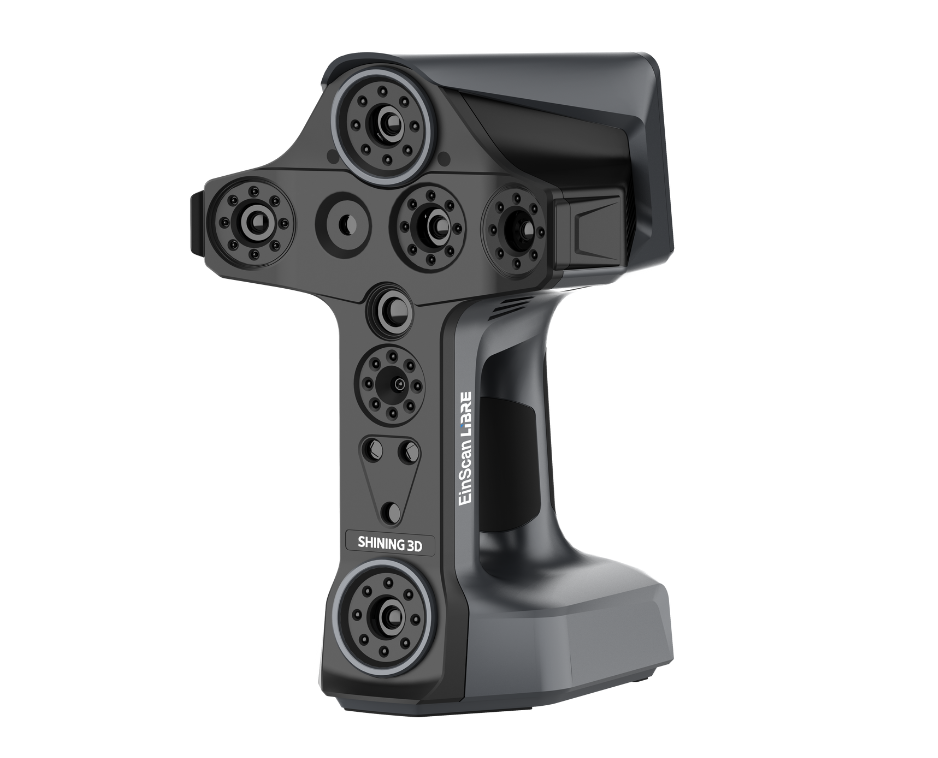
From the standpoint of cultural dissemination and preservation, this technology replaces fragile paper with permanent digital data. It enables long-term storage, easy reproduction, online dissemination, and digital display, ensuring that the cultural heritage contained in stone inscriptions can be shared and studied by people around the world — without ever putting the original at risk. This is exactly the kind of workflow that SHINING 3D supports across its cultural heritage digitization solutions, from stone inscriptions to museum artifacts.
In summary, digital rubbing with high-precision 3D scanning is transforming how we document, preserve, and share stone inscriptions — making cultural heritage more accessible and better protected for future generations.