
CASE STUDIES
Published on May. 23rd 2019
3D Inspection of Aircraft Blades
Discover how 3D inspection of aircraft blades ensures precision, safety, and efficiency in civil aviation maintenance. Learn about SHINING 3D Metrology's advanced solutions for high-accuracy scanning and quality control.
More efficient Quality Inspection
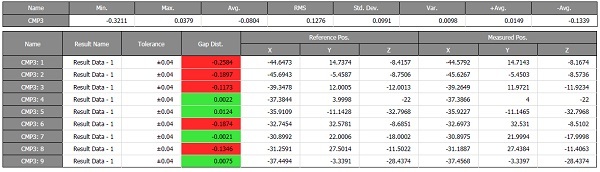
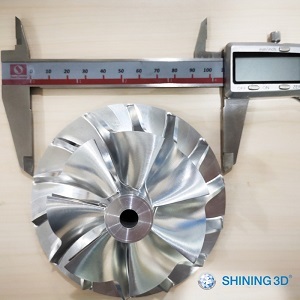
A civil aviation company has utilized the CNC machining process and high-temperature alloy materials to manufacture aircraft blades. When the manufa cturing process is completed, the company must inspect the completed part to make sure that the deviation between the produced blade and the design data is within 0.04 mm. If the deviation exceeds 0.04 mm, it will influence the performance of the blade in a negative manner, so quality assurance is of the upmost importance.
In the past, the company used traditional three-coordinate measurement, which only works for the point being measured/monitored.

Discover the product you're looking for
- Full specifications
- Using scenarios
- Key features
- Even comes with a bundle!
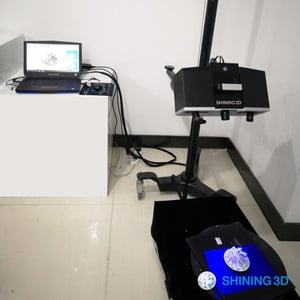
This caused low efficiency as they were unable to inspect the complete surface using this form of measurement. They needed a method of measurement that allowed for the inspection of the entire surface. This led the company to begin using SHINING 3D’s metrology 3D scanner.
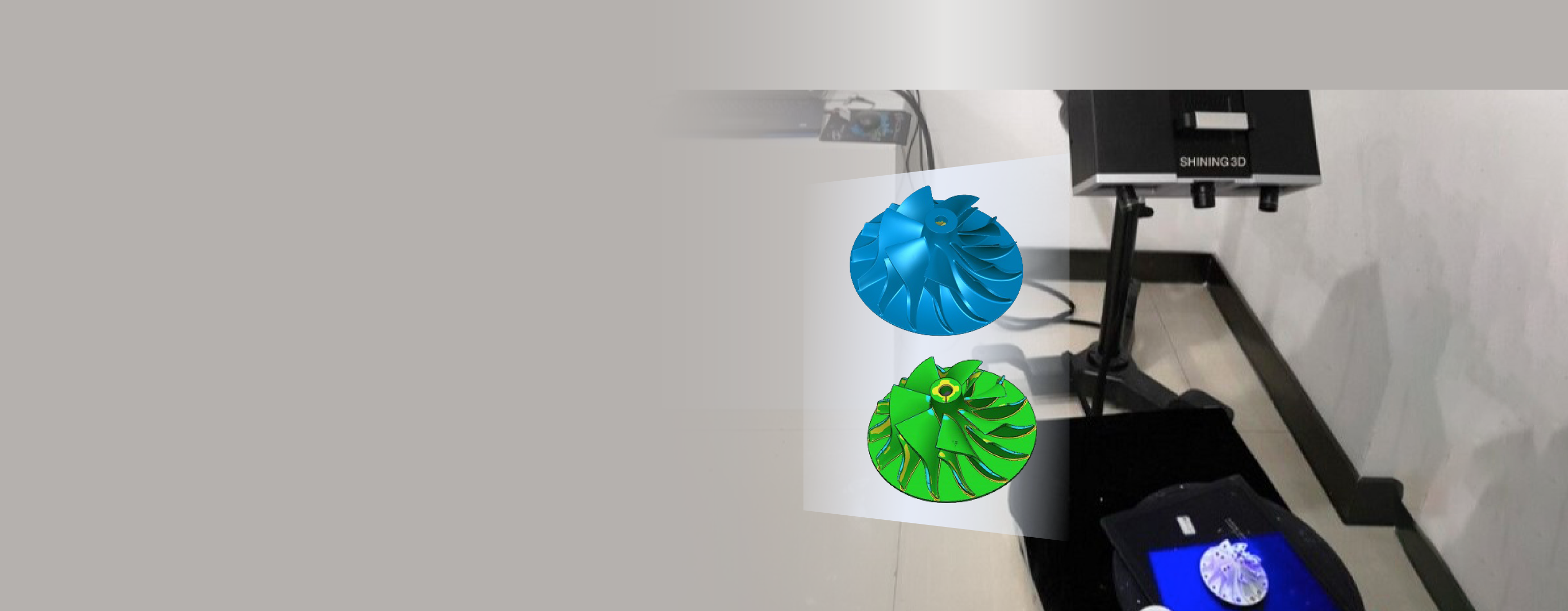
Using SHINING 3D’s OptimScan Series 3D scanner, they were able to capture the 3D data of the part. The process itself takes merely a few minutes and the details achieved in the scan allow for the proper inspection of entire surfaces. The 3D scan is composed of hundreds of thousands of points collected from the scanned part, making this form of measurement much more reliable and efficient in testing for deviations.


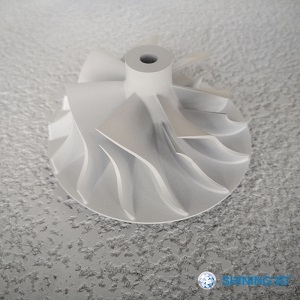
3D scanning
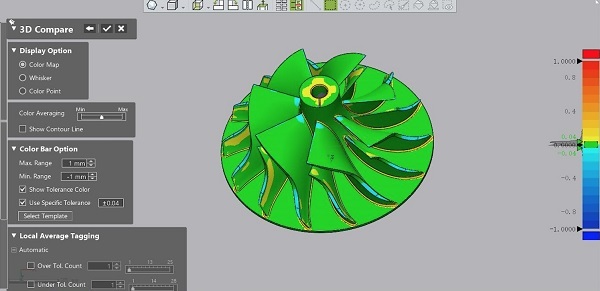
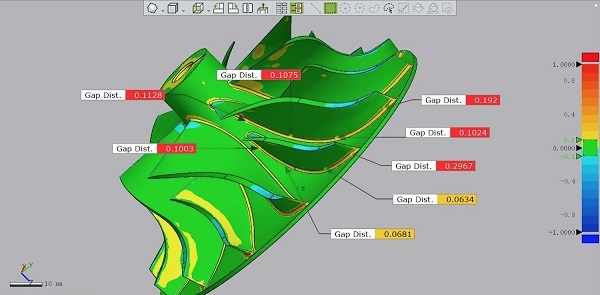
With the 3D scan data of the part, 3D inspection can reflect the deviation of the whole blade for processing in chromatography, which is direct. In this way, users can quickly and conveniently know the deviation of the part creation process, identify the source of the errors, and adjust the processing method according to the results. This can all be done using inspection software such as Geomagic’s Control X to inspect the collected 3D scan data of the processed part.

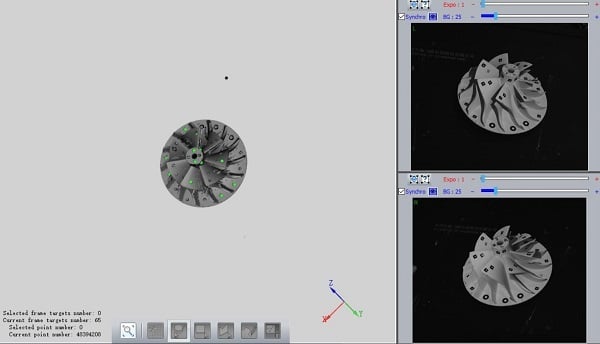
Screenshot during 3D scanning

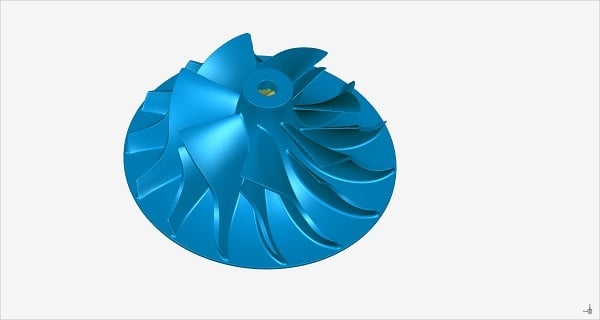
Final scanned data
3D Inspection:
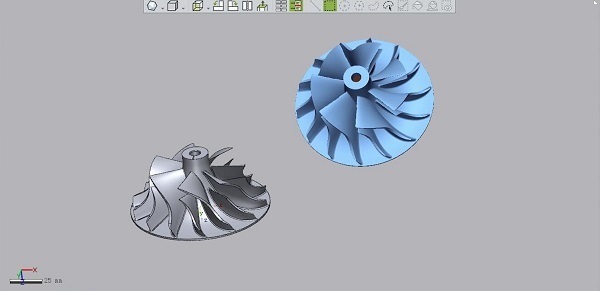
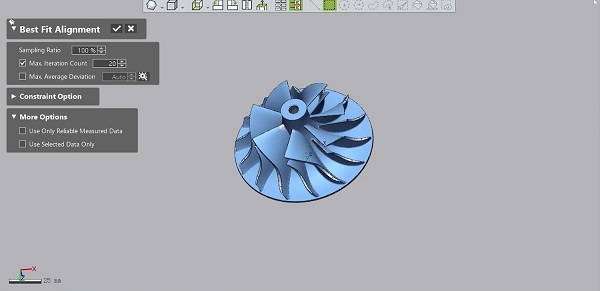
Import the scanned data and the original 3D model into Control X inspection software for comparison and measurement to generate the final testing report.

Import the data

Align coordinate

3D chromatographic analysis

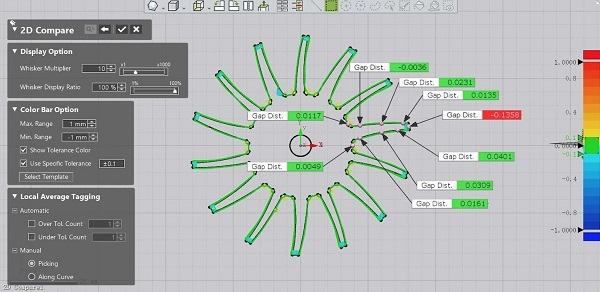
2D cross-sectional curve deviation


Comparison of surface deviation
.png?width=2000&height=1125&name=OptimScan%20Q12%20(6).png)
OptimScan Series
The OptimScan Series delivers high-precision industrial 3D inspection through advanced blue light technology, providing metrology-grade accuracy for quality control across automotive, aerospace, and manufacturing industries.
- Blue Light Technology
- Multiple Exposure & HDR
- Intelligent Software
- Verified Accuracy