


Guides/101
Published on 24th April 2026
How to Select a Metrology 3D Scanner?
This guide breaks down the selection logics by object size, accuracy standards, and material adaptability to optimize your workflow for quality control.
Why Optical 3D Scanning Matters Today?
In today's fast-paced manufacturing landscape, ensuring stringent quality control while maintaining high efficiency is more critical than ever. As complex geometries and advanced materials become the norm, traditional contact measurement tools often fall short.
Optical 3D scanning has emerged as a game-changer, accelerating digital transformation by delivering micron-level precision. By providing non-contact, full-field surface data, it perfectly captures flexible or delicate objects without the risk of deformation, significantly reducing inspection downtime across the entire production chain.
But with various technologies available, how do you choose the right metrology 3D scanner for your operations? Here is a definitive step-by-step logic to guide your metrology solution selection.
Step 1: Determine Your Object Size
The size of your component is the primary filter in the selection process.
- Small Parts (< 500 mm): Objects require systems focused on capturing intricate internal cavities and fine geometry.
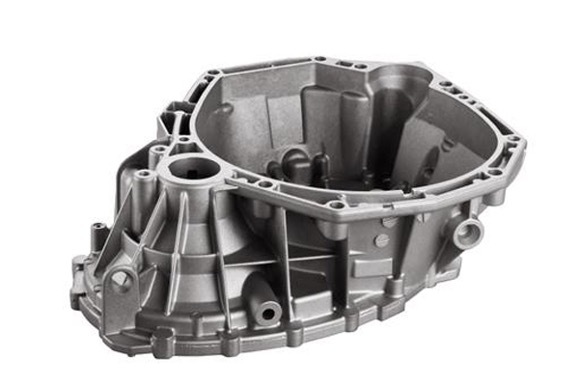
Casting Housing
(100 ~ 300 mm)
(100 ~ 300 mm)
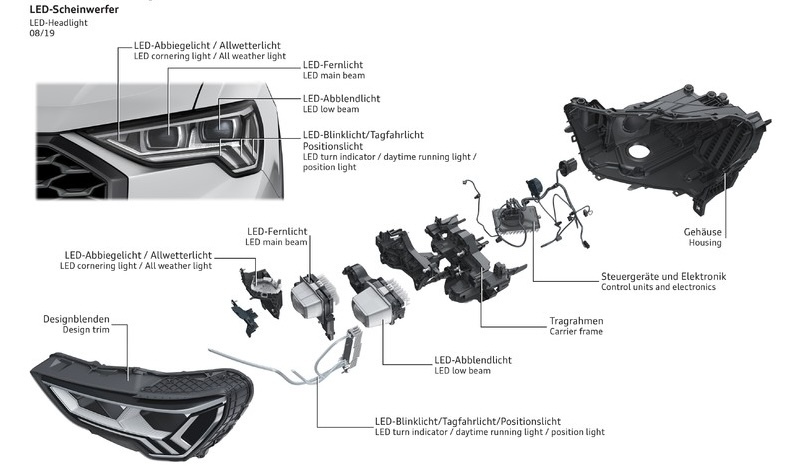
Lamp Compenonts
(50 ~ 200 mm)
(50 ~ 200 mm)
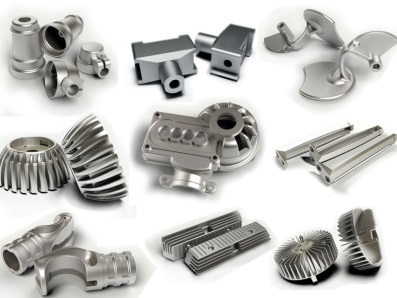
Small Mechanical Part
(20 ~ 120 mm)
(20 ~ 120 mm)
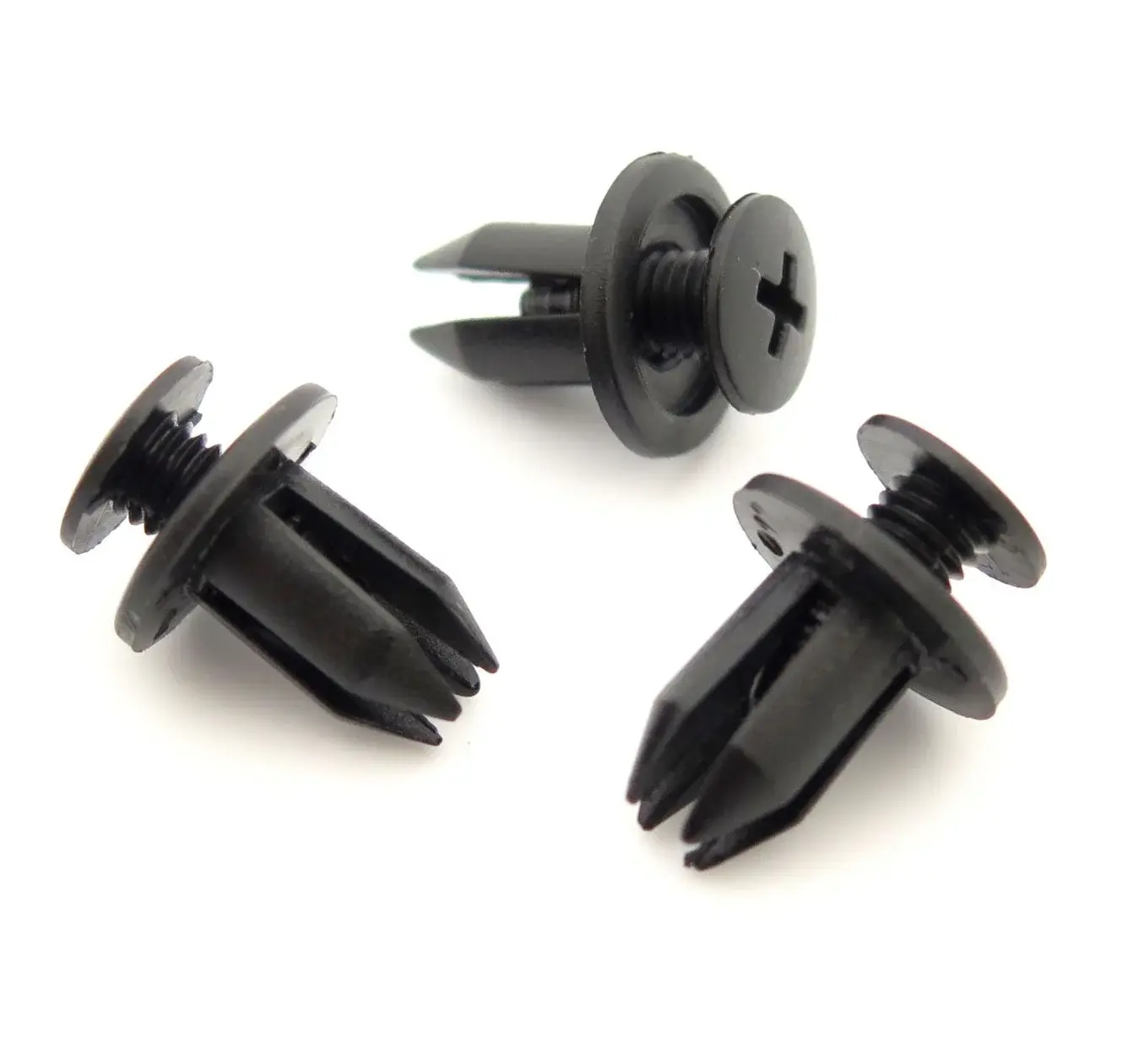
Plastic Clip / Connector
(10 ~ 100 mm)
(10 ~ 100 mm)
- Medium to Large Components (500 mm ~ 2500 mm): Assemblies feature complex surfaces, multiple textures, and large curved areas that require portable scanning solutions
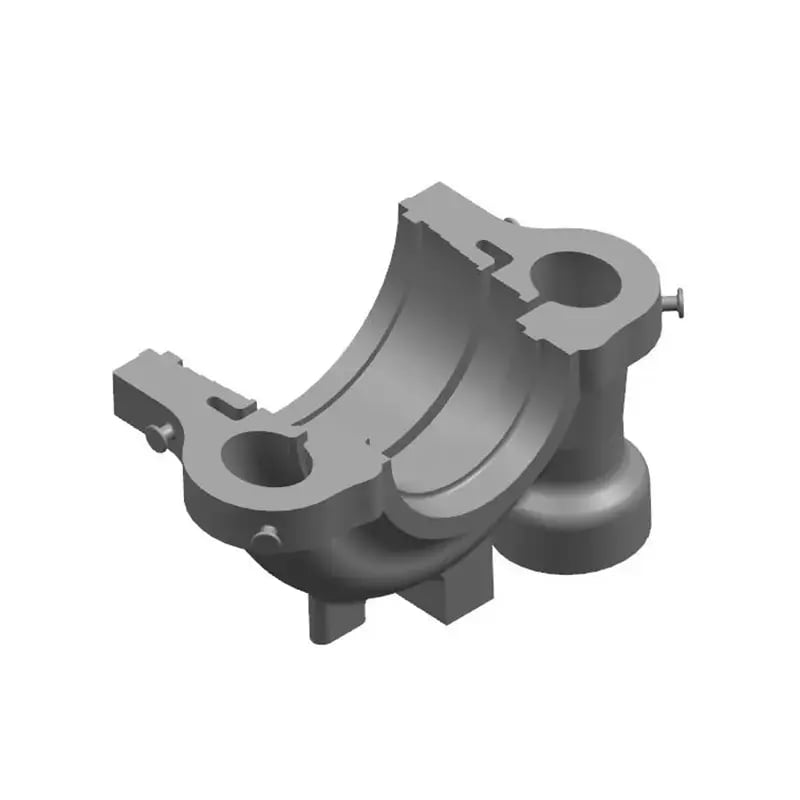
Medium Sand Casting Parts
(500 ~ 1000 mm)
(500 ~ 1000 mm)
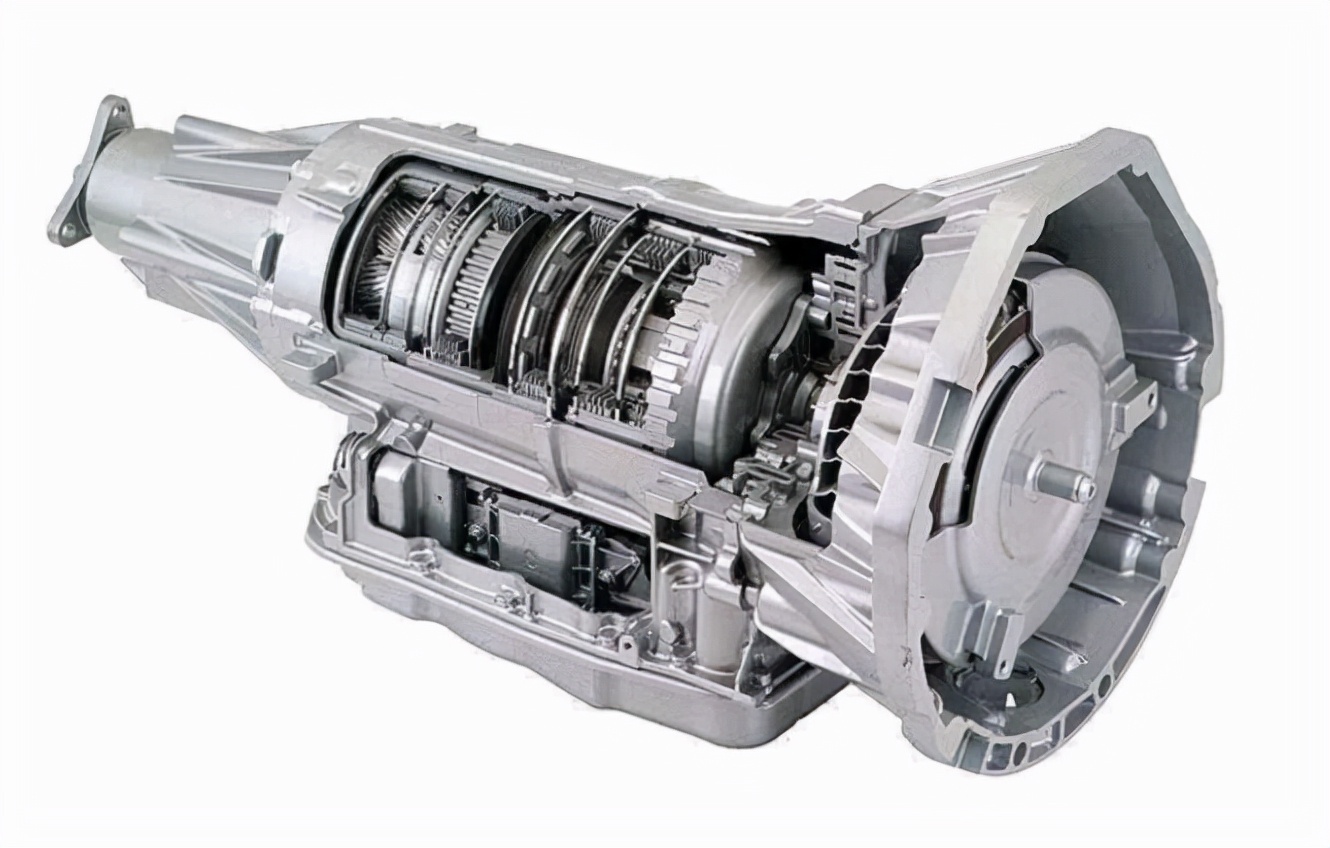
Car Gearbox
(500 ~ 800 mm)
(500 ~ 800 mm)
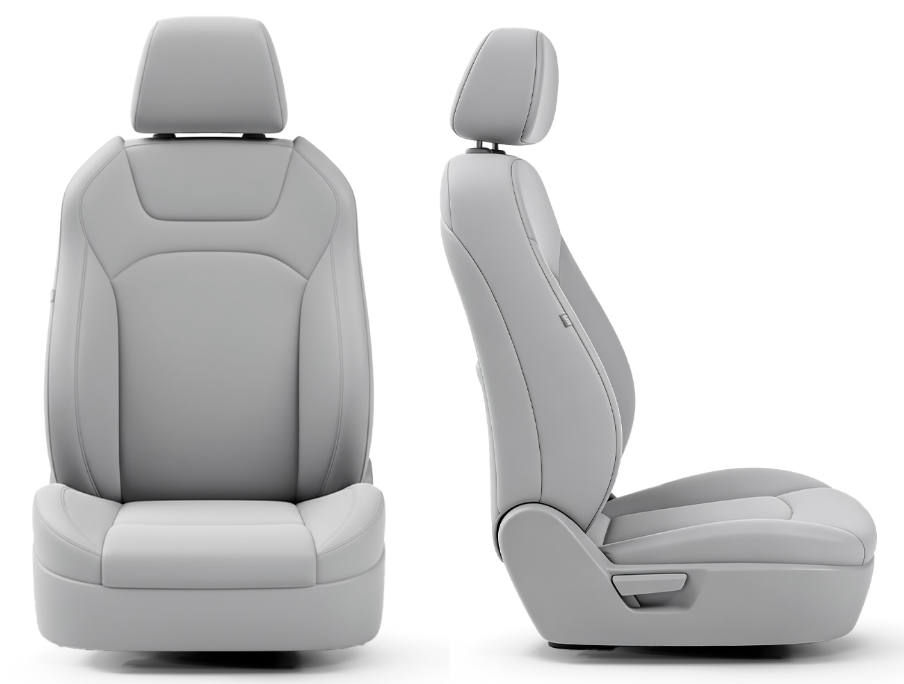
Car Seat
(600 ~ 1500 mm)
(600 ~ 1500 mm)
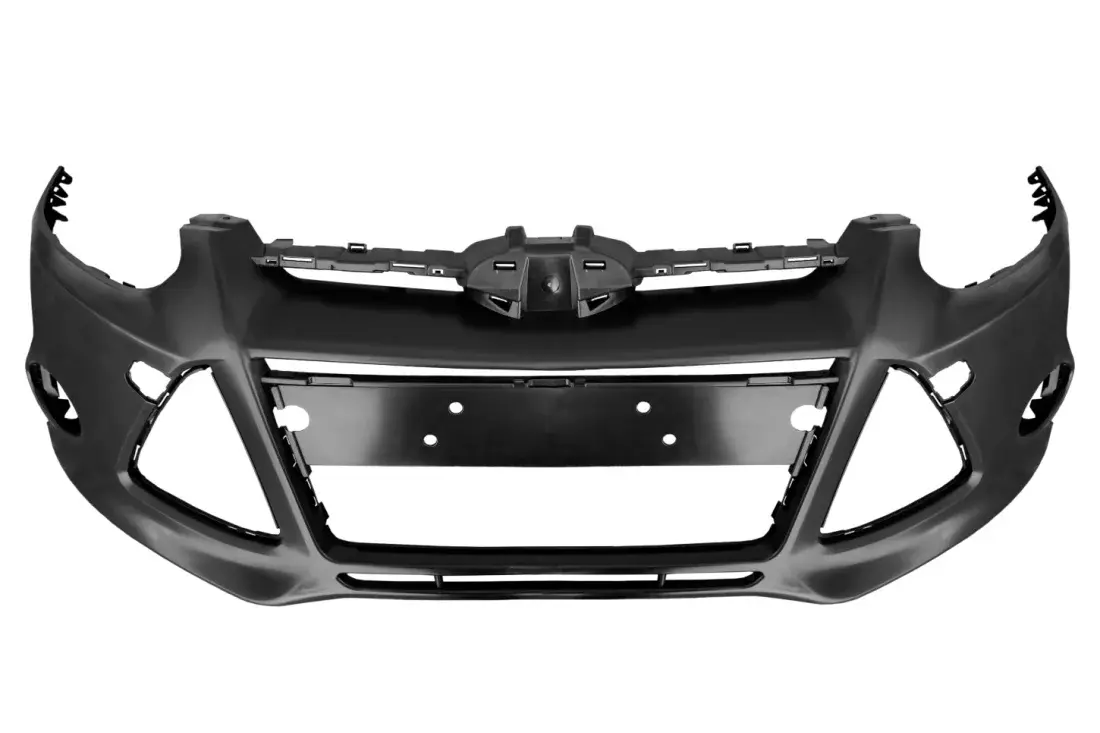
Bumper
(1200 ~ 2500 mm)
(1200 ~ 2500 mm)
- Extra Large Structures (> 2500 mm): Massive components require scanners with an expansive tracking volume to maintain consistency over massive areas.
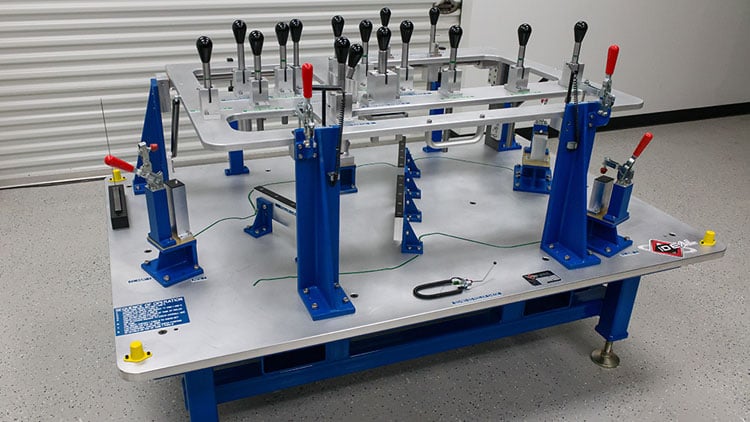
Car Fixture
(2500 ~ 5000 mm)
(2500 ~ 5000 mm)
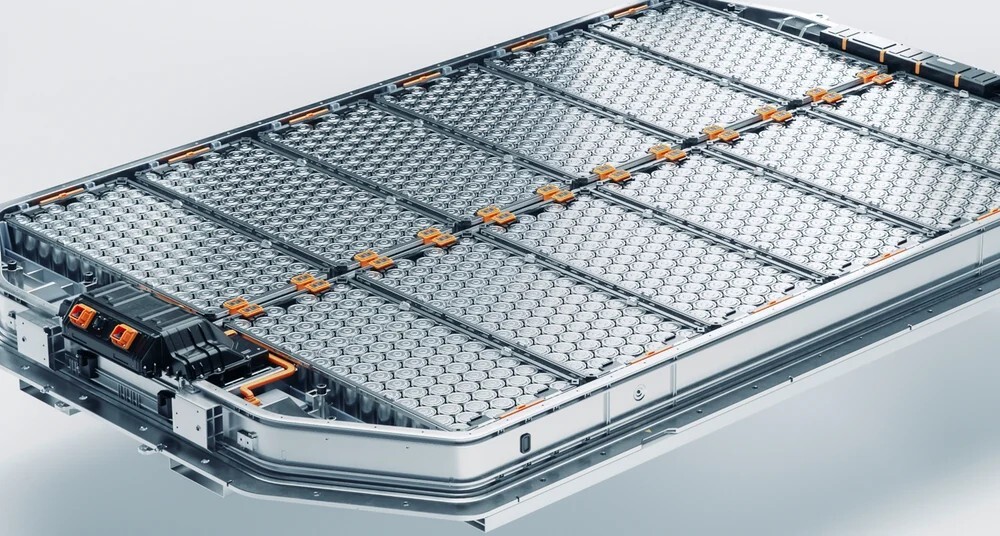
Battery Tray
(2000 ~ 3000 mm)
(2000 ~ 3000 mm)
Areo-Engine Casing
(2500 ~ 4500 mm)
(2500 ~ 4500 mm)
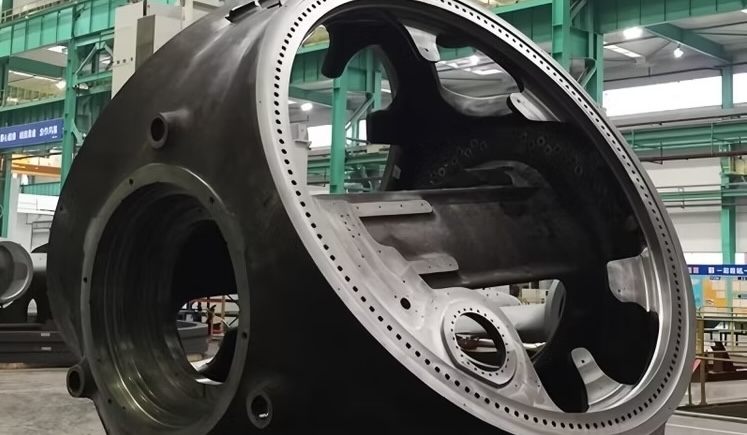
Wind Turbine Hub
(3000 ~ 5000 mm)
(3000 ~ 5000 mm)
Step 2: Define the Accuracy Requirements
Different applications demand specific tolerance levels. Every metrology 3D scanner we build is rigorously tested against strict global standards like VDI/VDE 2634 and ISO 10360. Backed by these rigorous metrology frameworks, we categorize accuracy requirements into three main tiers to help you find the perfect match.
A
0.005 ~ 0.02 mm
Required for functional safety parts, strict GD&T inspection, and precision reverse engineering. High-resolution cameras should be considered for capturing sharp edges on tiny features.
B
0.02 ~ 0.05 mm
The standard tolerance for assembly verification and structural analysis. Handheld 3D scanners excel in this range, offering high accuracy and portability for medium parts.
C
0.05 ~ 0.1 mm
Suitable for overall deformation analysis, surface deviation mapping, and analyzing large cosmetic parts. Tracking systems are recommended for expansive structures.
Step 3: Consider Other Factors
Finally, consider the operational environment, workflow efficiency, and feature complexity:
On complex shop floors or elevated platforms, cables are tripping hazards and restrict movement. Scanners with standalone processing and wireless capabilities optimize the workflow.
For scenarios where applying markers is impossible or impractical, and time-consuming. Dynamic tracking systems use optical trackers to determine the scanner's spatial position without markers, drastically reducing preparation time.
If the surface is dark or highly reflective and you absolutely cannot use scanning spray, a Handheld Scanner is your best bet, as advanced blue laser and infrared light sources enable the seamless scanning of those challenging materials without the need for spray.
However, if the part is exceptionally small, capturing micro-details must be the priority. In that case, a Blue Structured Light Scanner (like OptimScan Series) is the only way to go, even if it requires surface preparation.
If your component has deep holes, narrow gaps, or hidden blind spots, lasers simply won't reach. We recommend pairing your tracking system with a Portable Probe to physically touch and capture those tricky, hard-to-reach areas without missing a beat.
If time is money and you are scanning large components, you need to skip the tedious prep work. We highly recommend Handheld or Tracking Scanners. Their dynamic tracking capabilities allow for fast, marker-free scanning, getting you straight to the data collection in record time.
Real-World Scenarios: How to Apply this Guide?
To see how this step-by-step approach works in practice, let's look at three typical industrial examples:
Case 1: Consumer Electronics|Mobile Phone Shell Inspection
Features
- Extremely small and thin with complex snap-fits and micro installation holes.
- Surfaces often feature highly reflective metals or pure black composite materials.
Needs
- High accuracy is required for dimensional inspection.
- High resolution is required to capture microscopic geometric features to meet strict assembly tolerances.
- A non-destructive workflow, depending on whether the delicate surface allows powder spray.
- High resolution is required to capture microscopic geometric features to meet strict assembly tolerances.
- A non-destructive workflow, depending on whether the delicate surface allows powder spray.
Recommendation
1. Primary: OptimScan Q Series
2. Alternative: FreeScan Handheld Series (for strictly spray-free scenarios)
Reasons for Choosing OptimScan Q Series
- High-accuracy (0.005 mm) with blue-structured light.
- MSF function enables better capture of tight angles and narrow gaps.
- High-resolution cameras (12.3M) are perfect for capturing tiny edges and hole features.
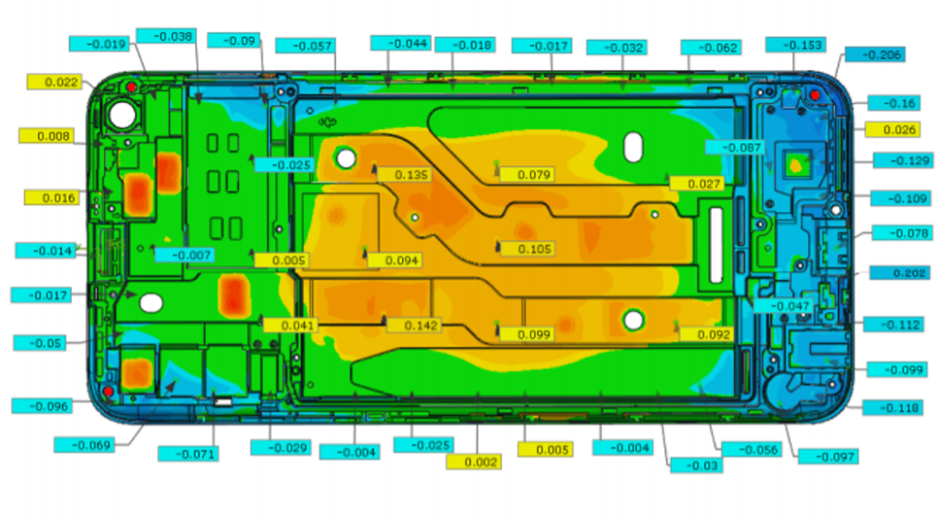
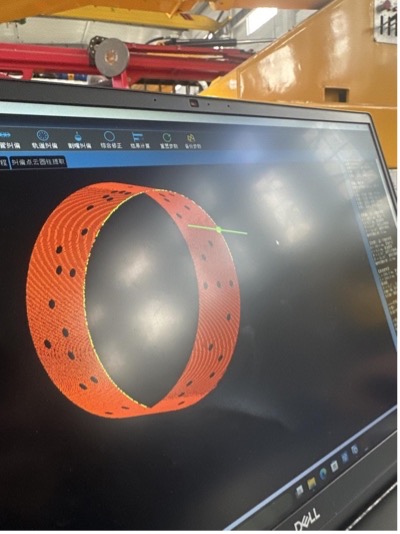
Case 2: Energy|Pipeline Integrity Assessment
Features
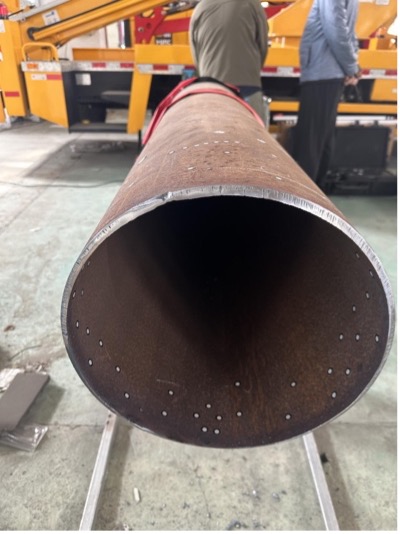
- Medium-to-large pipeline structures are typical in oil, gas, and chemical facilities.
- Located in highly complex, narrow, and obstacle-filled outdoor or industrial field environments.
- Surface conditions may include corrosion, rust, or coating.
Needs
- Efficient scanning over large areas
- Flexibility in operation (potentially marker-free or reduced markers, and wireless)
- Ability to capture surface degradation details (e.g., corrosion depth)
Recommendation
Reasons for Choosing FreeScan Omni Series
- 100% Wireless: There are no cords to trip over. You can climb scaffolding and squeeze into tight gaps safely.
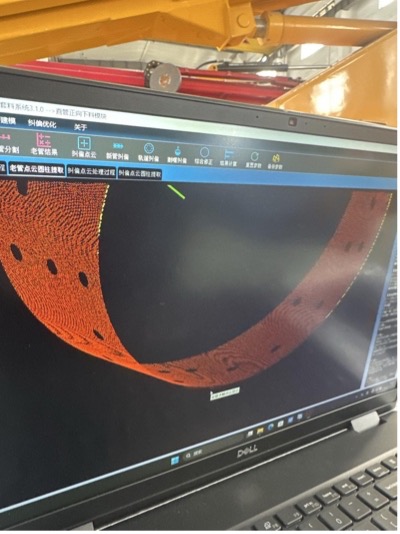
- Capture Accuracy Damage: It quickly captures the depth and shape of pits and dents with repeatable accuracy, giving you an unfiltered look at the real condition of the pipe.
- On-Site Decisions: Integrated with inspection software. You can get the inspection results on site to make decisions.
Case 3: Automotive|Clay Model Reverse Engineering
Features
- Large-scale (often exceeding 2500mm).
- Smooth, organic surfaces with subtle curvature transitions.
- The clay material is extremely fragile.
Needs
- Full-field scanning capability for large objects.
- Measurement must not have any physical contact nor be allowed to have adhesive markers on the surface.
- Exceptionally smooth and continuous surface data is required to support high-quality reverse engineering and styling design.
Recommendation
Reasons for Choosing FreeScan Trak Series
- Marker-free scanning avoids damaging clay models
- Wireless scanning
- Dynamic tracking ensures uniform accuracy and eliminates the need to reposition frequently, that improving efficiency
- Ideal for full-surface scanning and global accuracy
- High scanning speed with a large tracking range

Conclusion
Choosing a metrology 3D scanner is less about selecting the “most advanced” system and more about finding the right fit for a specific task. In many cases, the difficulty comes from unclear requirements rather than the technology itself.
A structured approach—starting from object size, then accuracy, and finally special requirements—helps simplify what can otherwise be an overwhelming selection process. It also makes trade-offs more visible, whether between accuracy and efficiency, or flexibility and stability.
Rather than asking “Which scanner is the best?”, it’s more useful to ask:
- What problem am I trying to solve?
- What constraints define this application?
With clear answers to these questions, the right metrology 3D scanner choice becomes a logical outcome rather than a trial-and-error process, and ultimately leads to better data quality, higher efficiency, and fewer compromises in real-world use.
Share on Social Media


