
CASE STUDIES
Published on Jul. 20th 2026
How Lammert Scherer Upgraded Digital Orthotics and Prosthetics Workflow with EinScan Medixa
Discover how Lammert Scherer upgraded its orthotic and prosthetic workflow with EinScan Medixa, improving mobility, efficiency, and digital patient care.
About the Customer
- Company: Lammert Scherer GmbH
- Country: Germany
- Industry: Orthotics, Prosthetics & Rehabilitation
- Solution: EinScan Medixa
- Applications: Orthoses, Prostheses, Orthopedic Footwear, Torso Braces, Digital Model Archiving
Introduction
For decades, plaster casting has been the standard method for capturing patient anatomy in orthotic and prosthetic care. As digital technologies continue to transform rehabilitation and orthopedic manufacturing, more clinics are replacing traditional casting with 3D scanning to improve efficiency, flexibility, and patient experience.
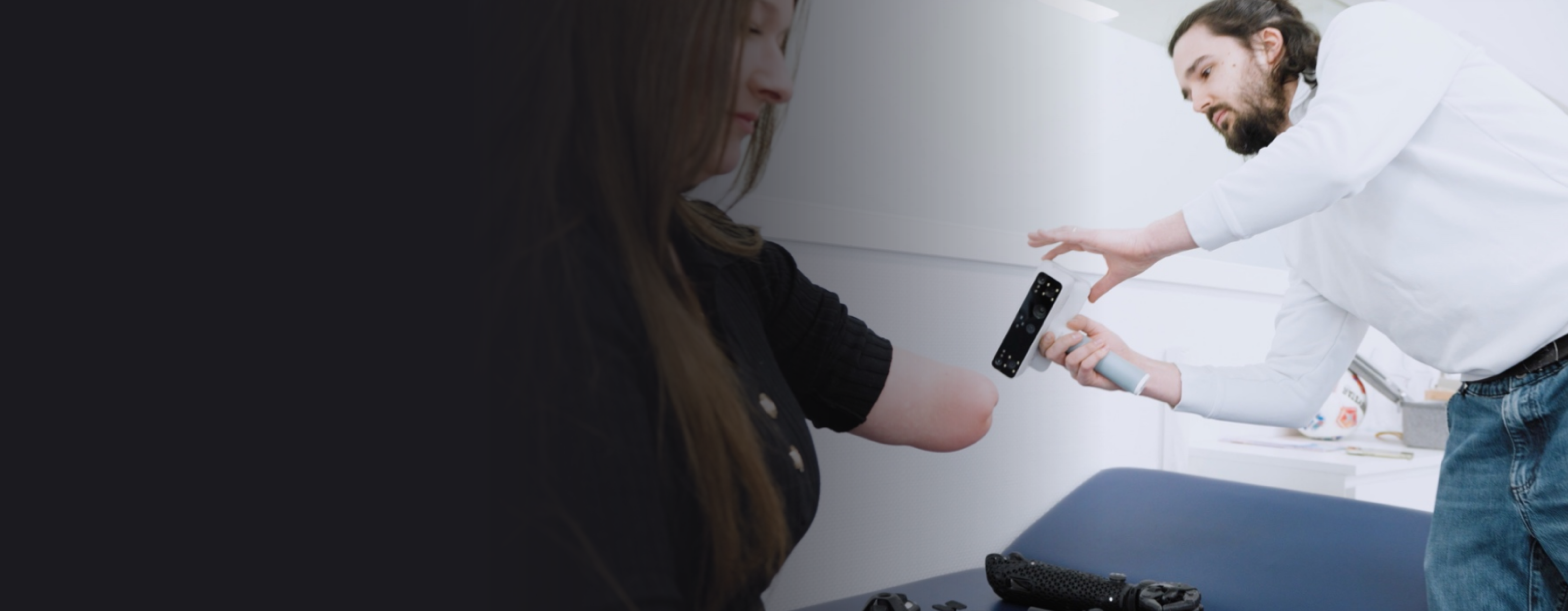
Lammert Scherer GmbH, from Germany, providing comprehensive patient care with customized orthotic and prosthetic solutions, has already embraced this transition through SHINING 3D's handheld scanners. After years of using EinScan H and EinScan H2, the clinic recently upgraded to EinScan Medixa to further optimize their daily operations and field services.

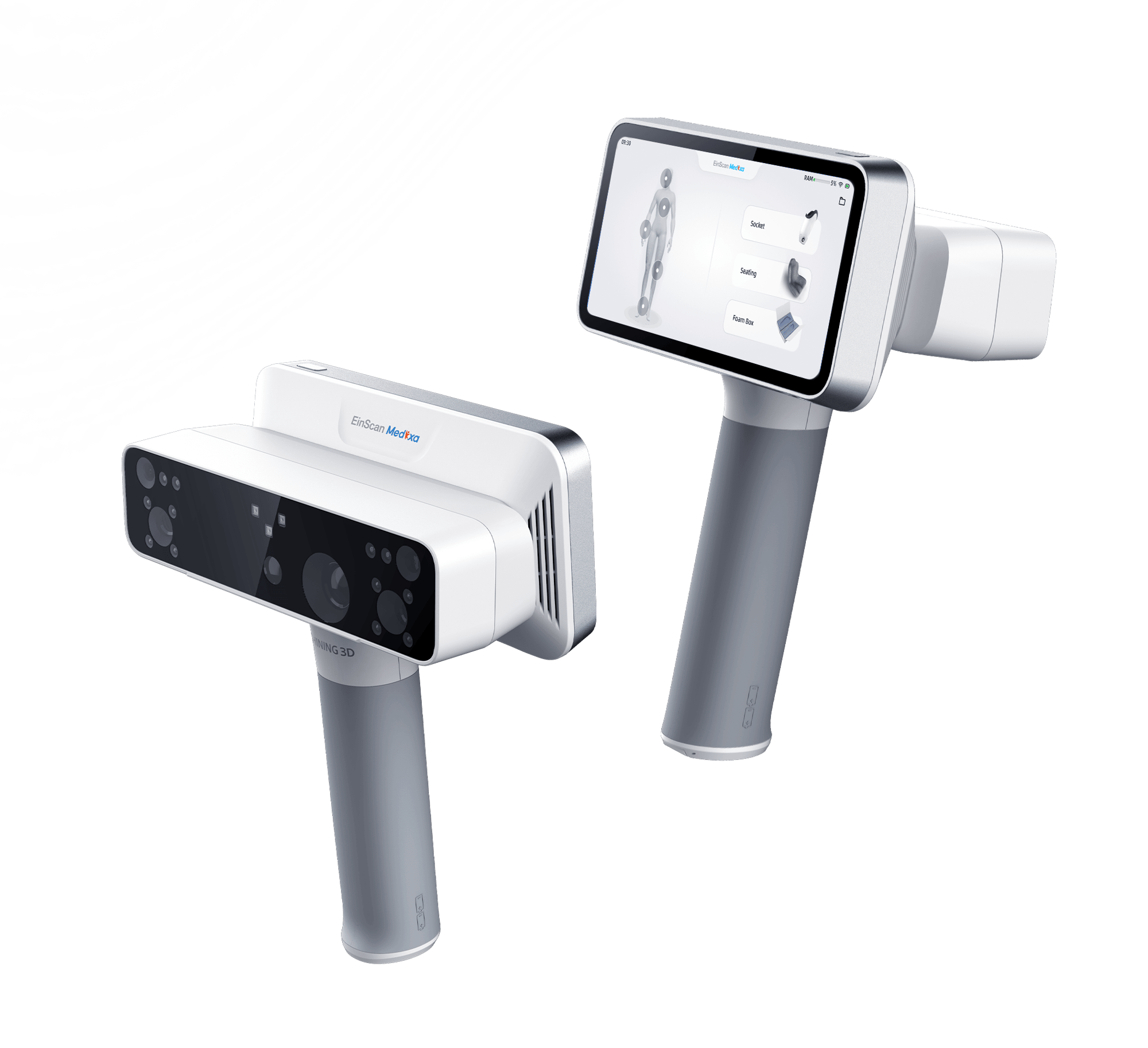
EinScan Medixa
A wireless, all-in-one 3D scanner is designed specifically for orthotics and prosthetics. The contact-free and fully digital method empowers O&P clinicians to deliver patient care with greater efficiency, precision, and ease.
- Tailored workflow for orthotics & prosthetics
- Versatile & personalized scan presets
- Movement compensation
- Contact-free and patient-friendly
The Challenge: The Physical Limits of Plaster and Cables
For many years, plaster casting served as the foundation of patient measurement. However, preparing casting materials, cleaning afterward, transporting physical models, and storing casts all added extra time and labor to daily clinical work.
Traditional plaster casting presented several limitations:
-
- Lengthy preparation and cleanup before and after every casting session
- Messy and labor-intensive procedures involving plaster materials
- Physical storage of plaster models, making long-term management inefficient
"Originally, orthopedics started by making everything in plaster... this entire part disappears when you switch to a digital approach."
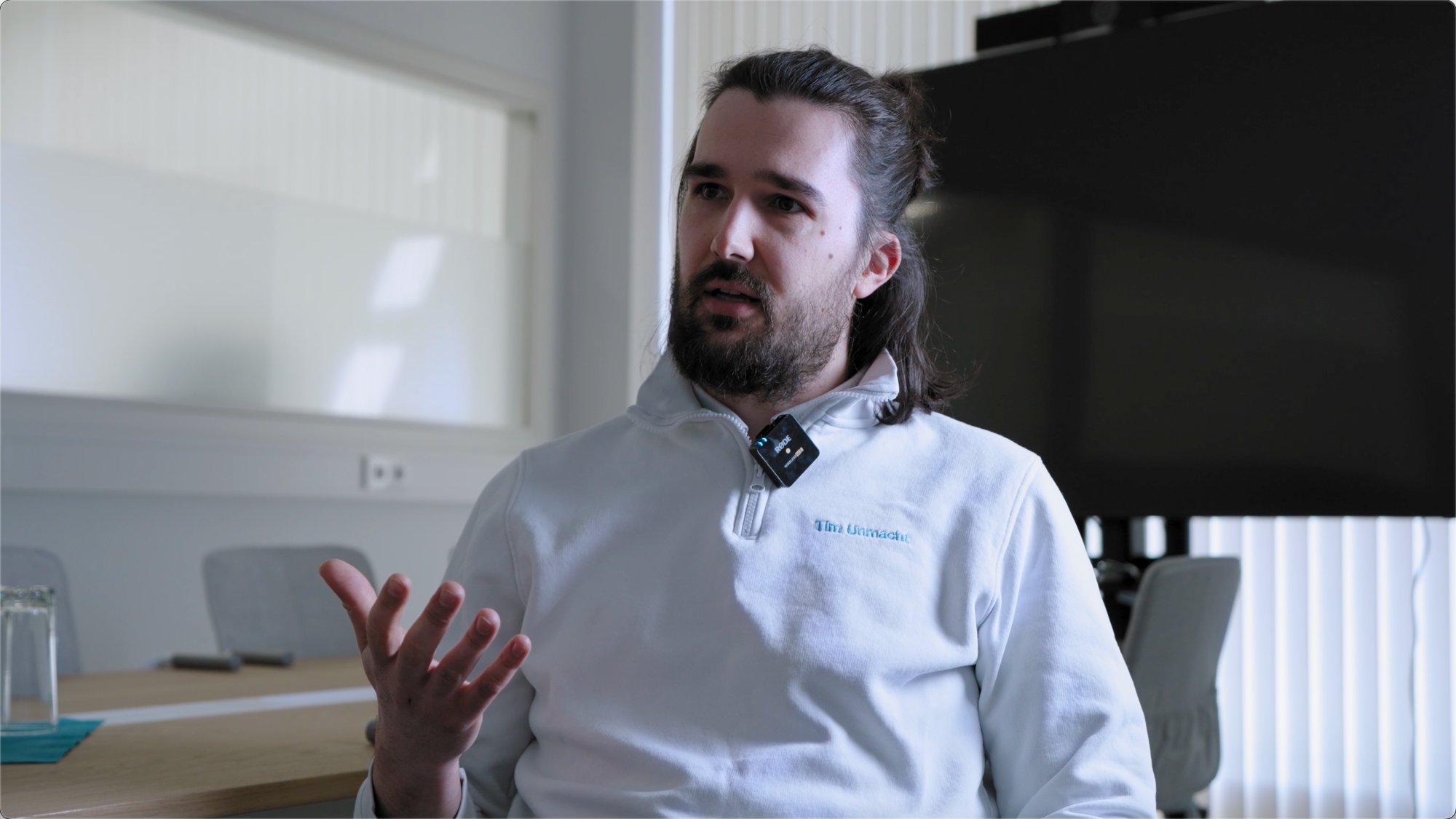
- TIM UNMACHT, Master Orthopedic Technician at Lammert Scherer

As the company expanded its services across clinics and mobile patient visits, these limitations became increasingly apparent. Furthermore, the team also needed a solution suitable for mobile services, where transporting multiple devices and setting up cables could significantly slow down patient appointments.
The Solution: Cordless Flexibility with EinScan Medixa
Having previously worked with the EinScan H and EinScan H2, the team upgraded to EinScan Medixa to further improve their digital workflow with greater mobility and workflow flexibility.

Unleashing Mobile Care
One of the biggest advantages is its completely wireless design.
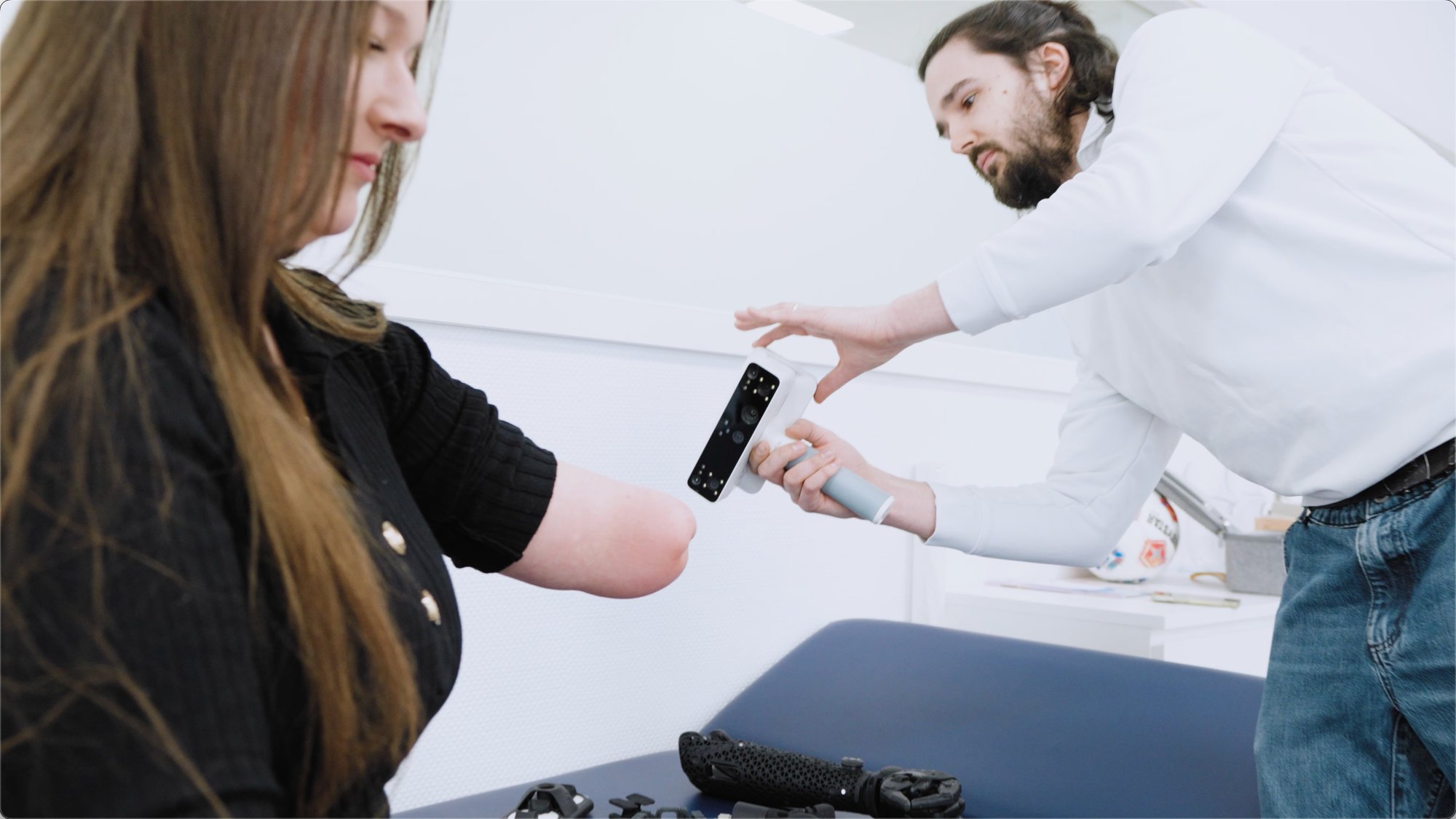
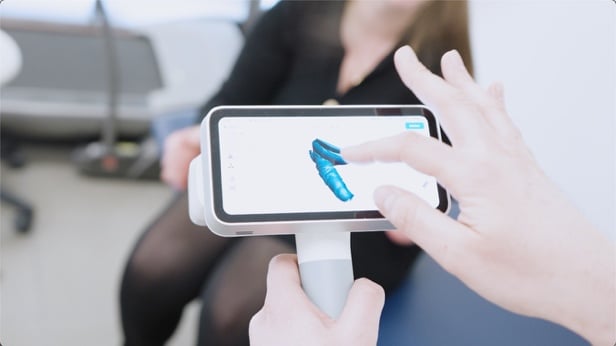
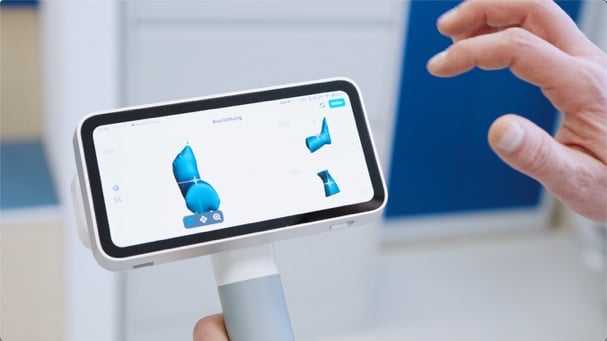
Without external laptops or cables, clinicians can simply power on the scanner, capture the required anatomy, and process the scan data on the device directly.


Process the scan data on the device
“We chose the Medixa because we wanted a cordless solution,” explains the team at Lammert Scherer, Medixa has become an invaluable tool for field service, allowing clinicians to capture high-quality data anywhere.
Maximize the Convenience for Clinicians
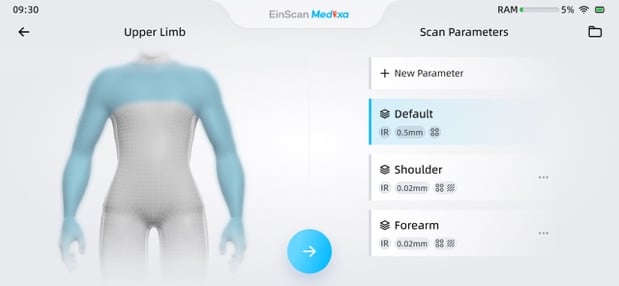
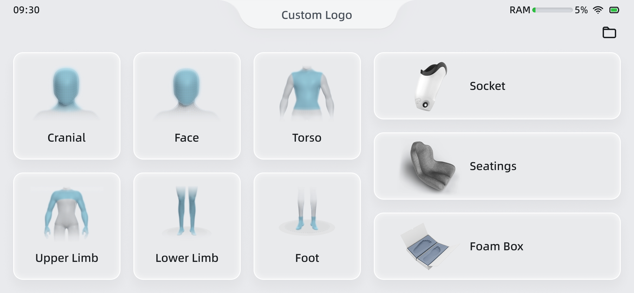
At Lammert Scherer, clinicians frequently need to capture 3D data from a wide variety of body parts, including large legs, arms, hands, heads, and even torsos. To streamline the workflow across these diverse applications, EinScan Medixa is equipped with preset scan modes featuring universal parameters. Clinicians no longer need to spend time manually configuring settings before a scan. They can simply select the corresponding scan mode for the targeted body part and start scanning immediately. Furthermore, Medixa also provides the flexibility for users to create and save their own custom parameter profiles, allowing them to perfectly tailor the workflow to their specific daily clinical needs.


Working in Tandem with FootStation2
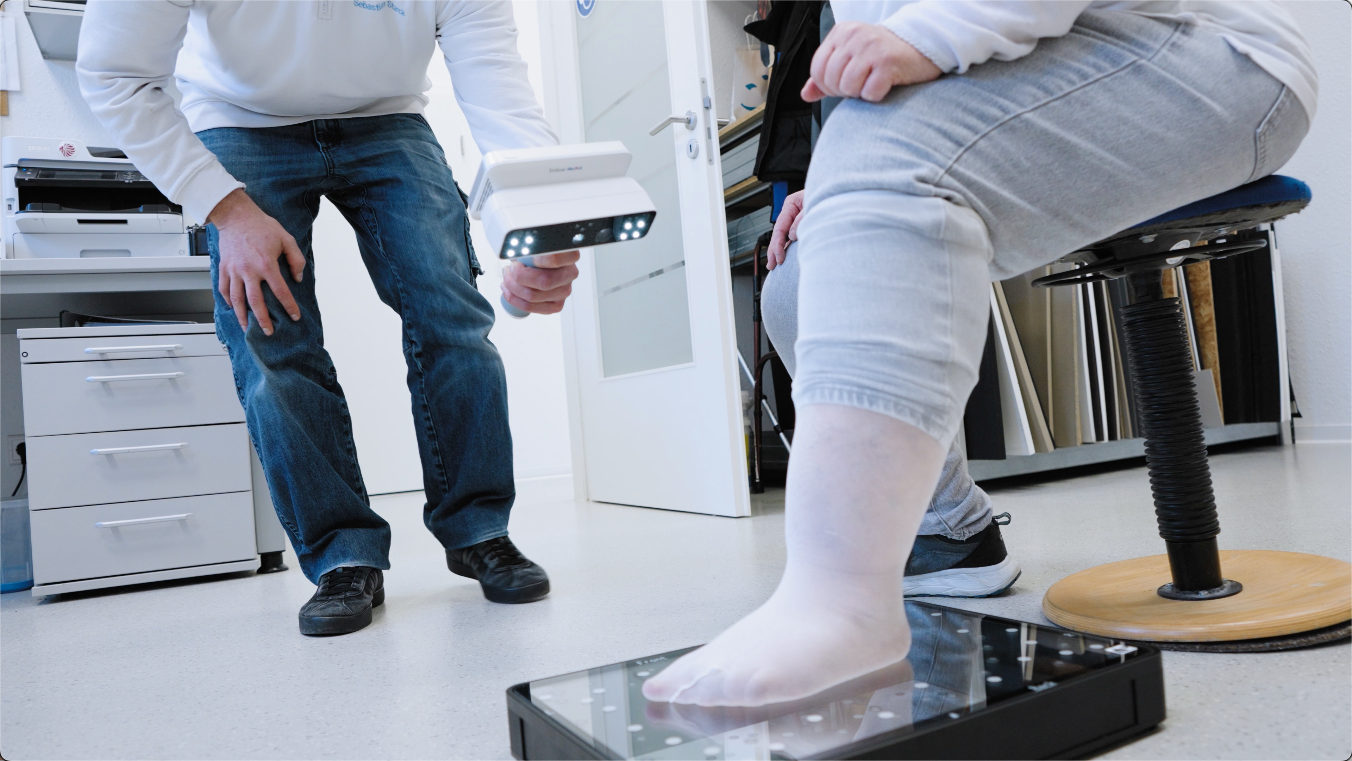
In their orthopedic custom shoe department, Medixa is seamlessly paired with FootStation2. Operating as a dedicated accessory for foot scanning, the FootStation2 allows the team to capture the lower leg and the sole of the foot simultaneously while under load. The software then automatically calculates the foot shape, effectively generating a digital cast impression of the weight-bearing foot in real-time.

Innovating Prosthetics
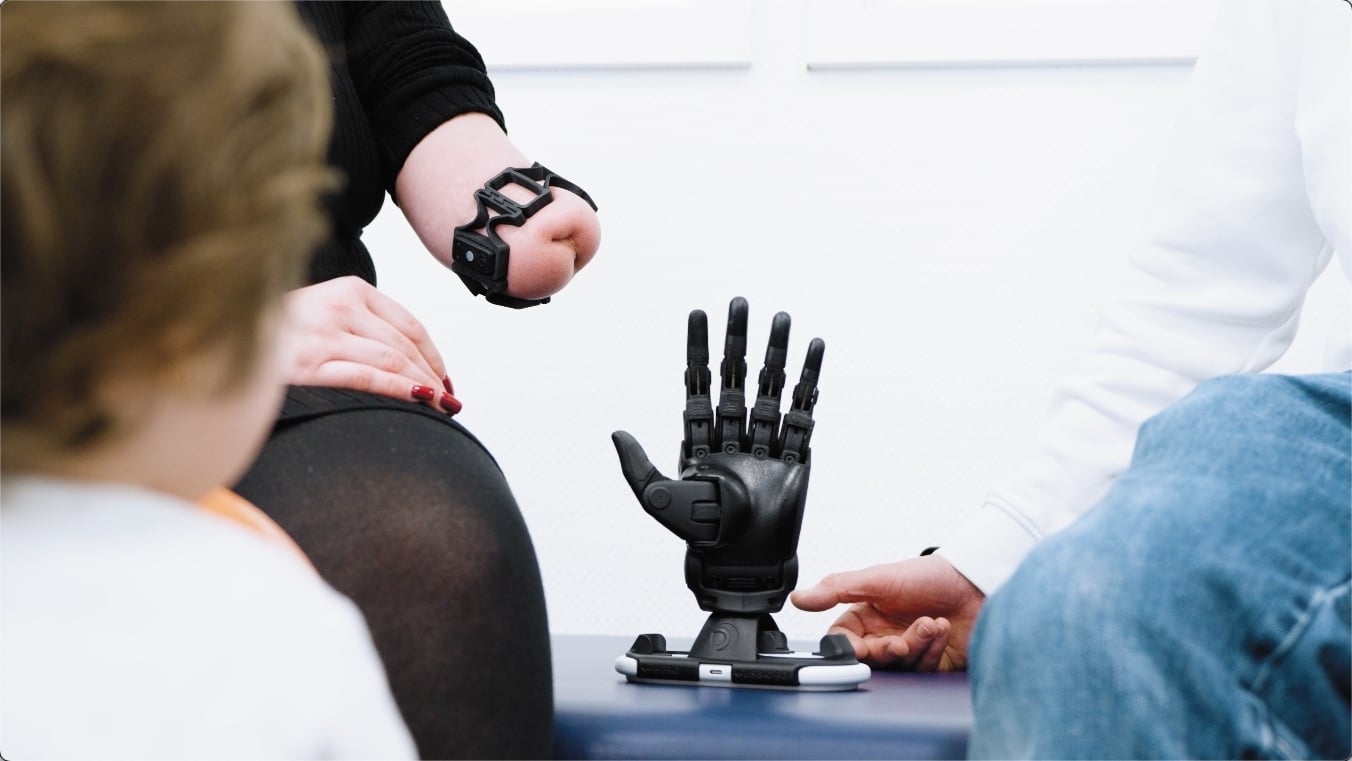
The digital workflow has also streamlined the creation of advanced prosthetics, such as the new Rugged Hand. Rather than relying on old principles, the team now scans the patient and produces a separate, perfectly fitted socket. This results in a super-lightweight, waterproof prosthetic system that allows for precise extension and flexion settings.

Continuing the Digital Journey with SHINING 3D
Looking back from EinScan H series to today's EinScan Medixa, Lammert Scherer sees the upgrade as a natural evolution rather than a complete change in workflow.
The scanner delivers the accuracy and versatility required for everyday clinical practice while supporting a fully digital process from patient scanning to manufacturing.
"We've always looked for the best value for money. SHINING scanners have always provided the performance we needed with very few compromises."