
Skip to content
shining 3d homepage logo
aero-minor-stanek-admasys-cz

CASE STUDIES

Published on Apr. 22nd 2026

Aero Minor Le Mans Back in Racing Form Thanks to 3D Scanning and 3D Printing

Discover how 3D scanning and 3D printing are reviving the Aero Minor Sport, the Czechoslovak racing legend that achieved sensational success at Le Mans in 1949.
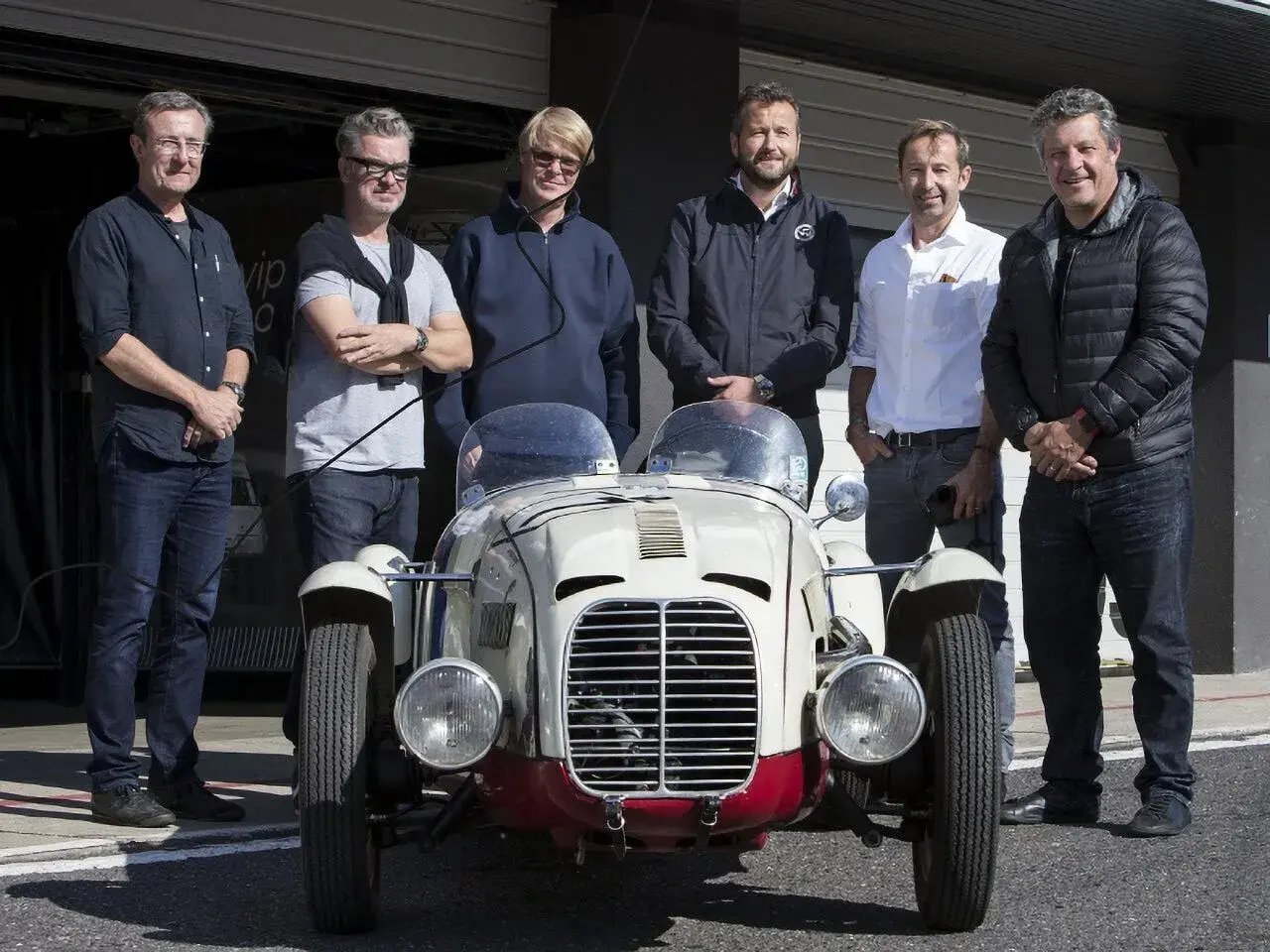
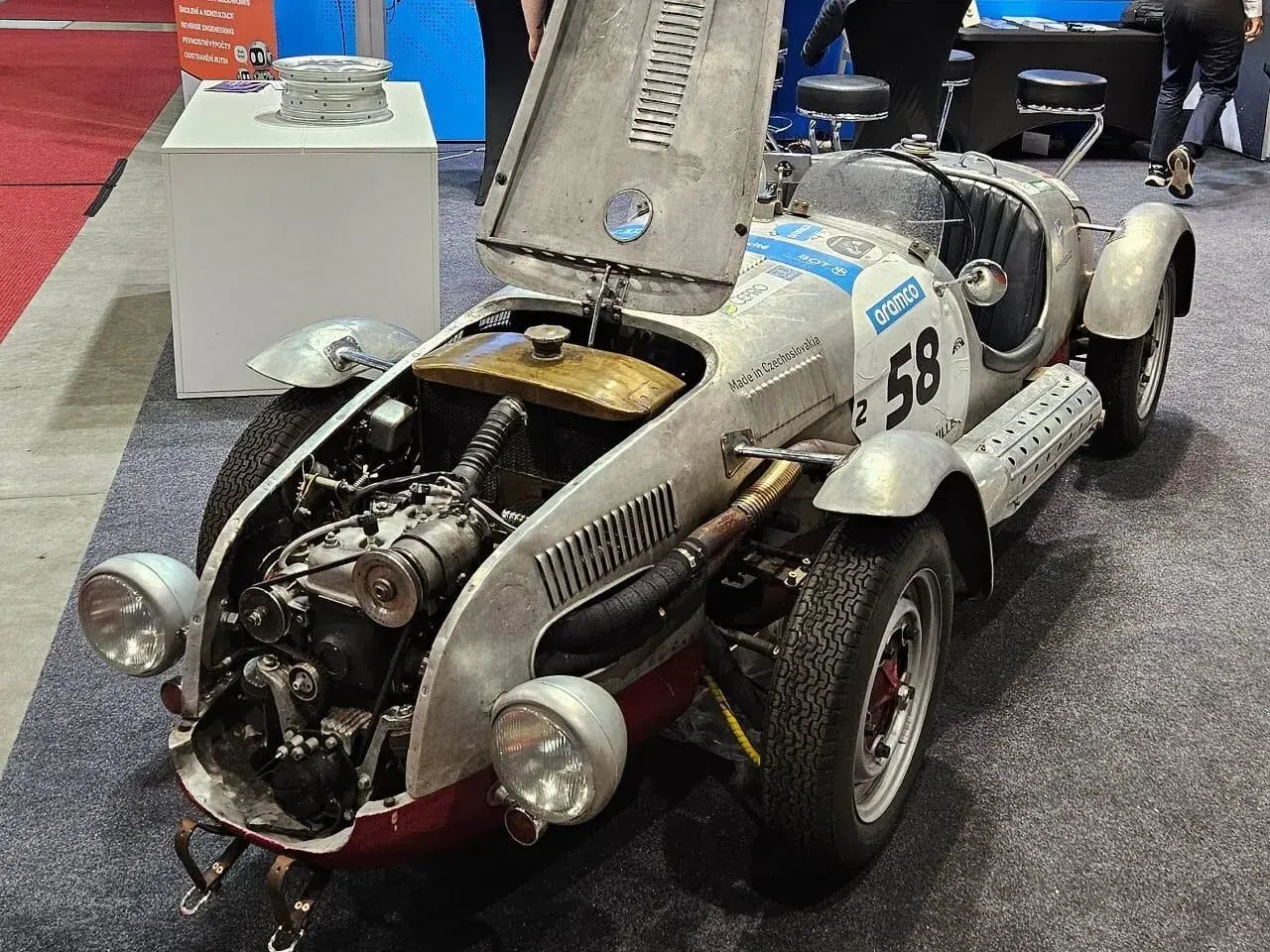
Modern technology is returning classic vintage cars to the track. Thanks to 3D scanning, we can create precise digital copies of components that have long been out of production and lack manufacturing documentation. With 3D printing, necessary parts can be custom-made, even as single units, without the need for expensive molds. One such vehicle that excelled in the post-war era and continues to race today with the help of 3D technology is the Aero Minor Sport.


The Czechoslovak "Cigar" Surprised Le Mans

The Aero Minor Sport represents a sensational entry for Czechoslovaks into post-war racing history. This small, lightweight two-seater "formula" car achieved a level of success at the legendary Le Mans in the late 1940s that remains essentially unsurpassed by any other Czech machine or driver.


The car was extremely light, weighing just over 400 kilograms, and nearly every part—except for the fuel pump—was purely Czechoslovak. It was powered by a 745 cm³ two-stroke, two-cylinder engine producing approximately 22 kW (just over 30 hp). Despite the modest power, its light weight allowed it to reach speeds of around 130 km/h, making it a perfect fit for the under-750 cm³ racing category.

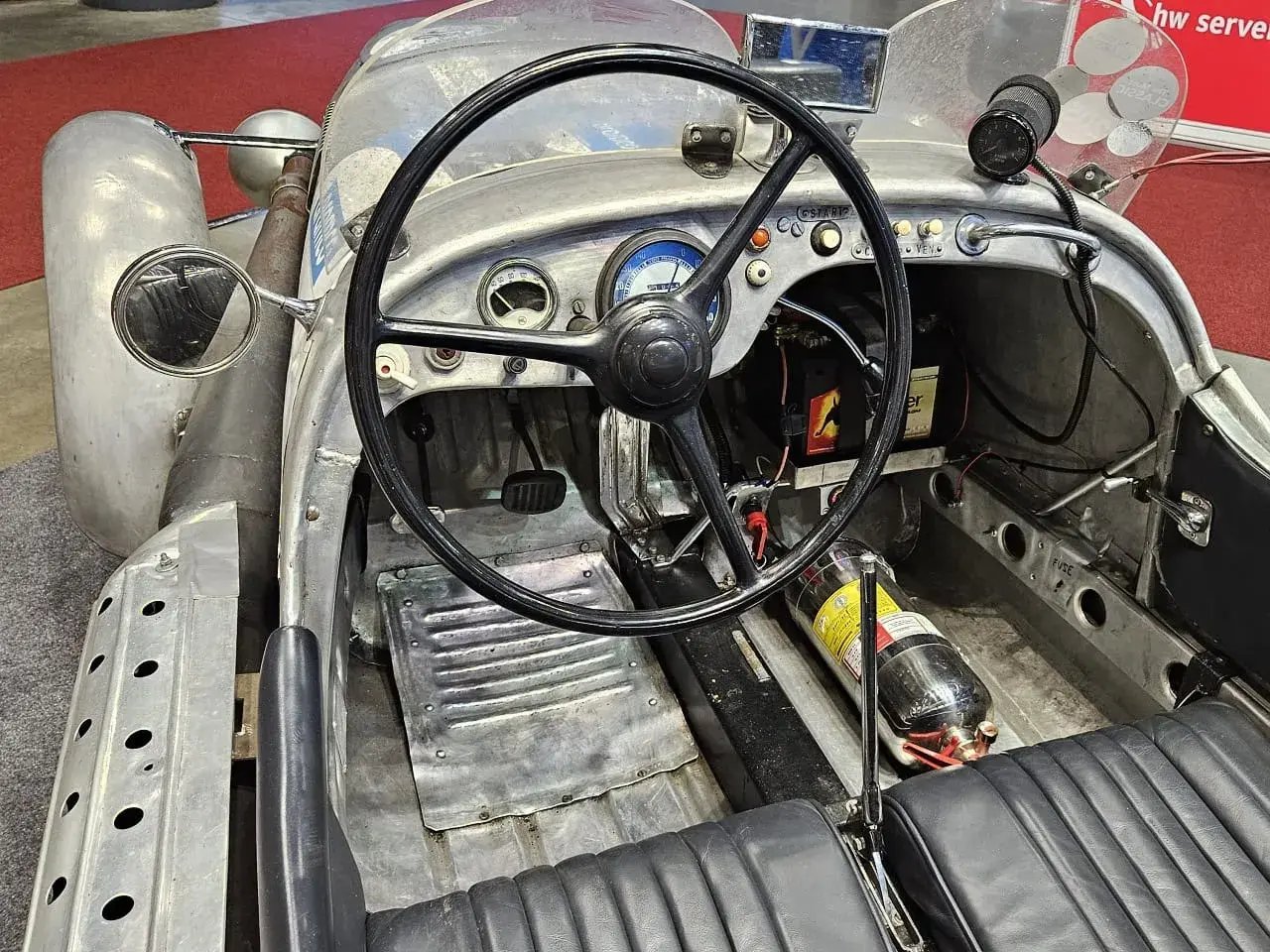
A look inside the modest cockpit of the famous race car
Le Mans Redux is a group of six friends. They were the ones who succumbed to the desire to bring the Aero Minor back to the racetrack.

A look inside the modest cockpit of the famous race car.

Le Mans Redux is a group of six friends. They were the ones who succumbed to the desire to bring the Aero Minor back to the racetrack.

On June 24, 1949, 49 cars started the 24 Hours of Le Mans; only 19 finished. In intense 40-degree heat and on devastated post-war roads, the crew of Krattner and Sutnar became a sensation. They finished 15th overall but first in their class and second in the absolute classification (calculated by performance coefficient), trailing only a 12-cylinder Ferrari 166. Since that event, the car has often been called the "Minor Le Mans"


A Minor Under the Lasers for the First Time

The owners of this racing gem approached specialists at ADMASYS CZ to perform a complete, detailed scan of the vehicle. The goal was to preserve and digitize the car's entire shape (including internal parts) to ensure it could be reconstructed in the event of a racing accident, as the car still actively competes in events like the Le Mans Classic.


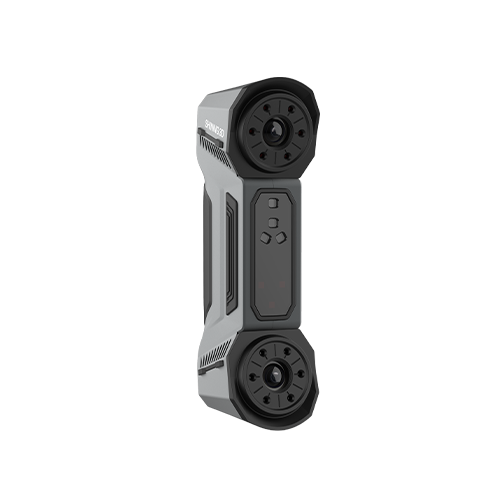
The team used a FreeScan Combo+ 3D scanner, which is capable of capturing 3.6 million points per second. This allowed the "Le Mans Redux" association—a group of six friends dedicated to returning the Aero Minor to the track—to have a full digital backup of the vehicle.


download brochure

Discover the product you're looking for

- Full specifications
- Using scenarios
- Key features
- Even comes with a bundle!
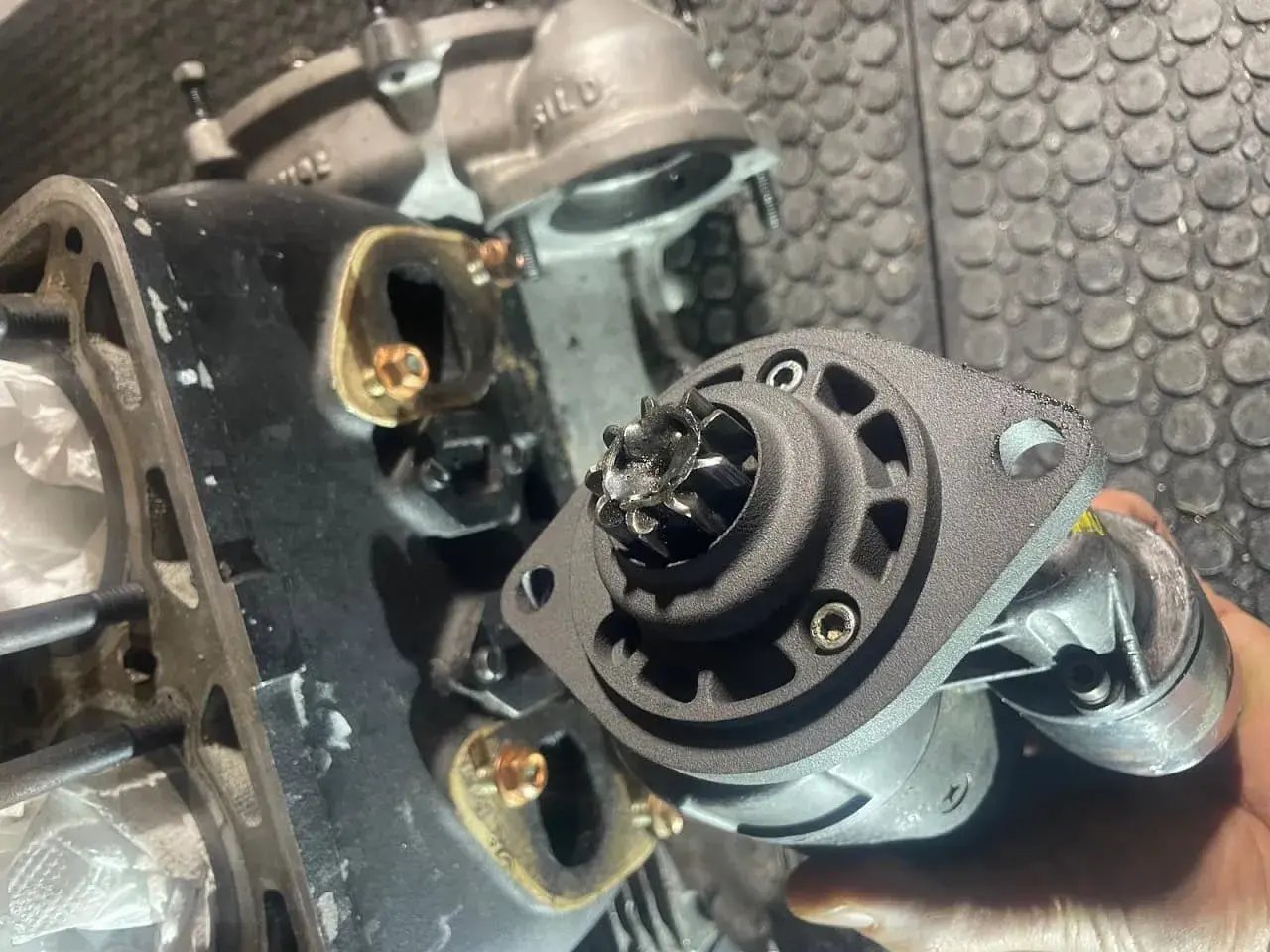
Custom Spare Part from Powdered Nylon

A specific mechanical issue arose when the starter coil began to fail. Research revealed that the car used a custom-modified starter where the flange had been rotated so the bolt holes were oriented differently, preventing the coil from touching the engine block and overheating.


To fix this:
Technicians took a standard flange and scanned it.
The scan was converted into a 3D parametric model, where the bolt holes were moved to the correct positions.
The modified part was printed on a Formlabs Fuse 3D printer using powdered nylon.


This nylon material provides the necessary strength, durability, and resistance to vibrations required for racing. This 3D-printed plastic flange has now been functioning reliably in the car for over a year, including during races at Le Mans.

The flange was first scanned, modified in a 3D CAD program according to the specifications, and then 3D-printed from powder using a Formlabs Fuse 3D printer. It continues to serve reliably on the vintage race car to this day.

The flange was first scanned, modified in a 3D CAD program according to the specifications, and then 3D-printed from powder using a Formlabs Fuse 3D printer. It continues to serve reliably on the vintage race car to this day.


The Benefits of Additive Manufacturing

The story of the Minor demonstrates that 3D printing is often about more than just saving money; it’s about solving problems that would otherwise leave a machine inoperable. It provides designers with creative freedom to produce parts that have disappeared from catalogs or to manufacture complex geometries that are impossible to create with traditional methods.


By using 3D printing:

  • Expensive molds are eliminated.

  • There is no long wait for external suppliers.

  • There is no need to maintain large inventories of spare parts.

  • Modern materials like powdered nylon are durable enough for the harsh pace of racing.


This technology has evolved from a "technological toy" into the most logical and efficient solution for manufacturing challenges in the automotive industry and beyond.

combo

FreeScan Combo Series

Packs dual light sources in an ultra-compact shell, measuring just 193 x 63 x 53 mm. It's equipped with both blue laser and infrared VCSEL technology and weighs only 620g.
 
  • Blue laser & Infrared light
  • Accuracy of 0.02 mm
  • Verified Accuracy (VDI/VDE 2634 & ISO 10360) 
  • Powerful and Ergonomic
  • Reddot Winner 2024