
Skip to content
website new logo
1-Dec-11-2025-08-13-48-4277-AM

CASE STUDIES

Published on Dec. 11th 2025

High-Accuracy 3D Scanning for Automotive Sheet-Metal Parts

Discover how Liuzhou Yinrui Automotive leverages high-accuracy 3D scanning to streamline sheet-metal part inspections, reduce development costs, and accelerate new vehicle model launches.
High-accuracy 3D scanning technology is rapidly replacing traditional gauges due to its versatility. In automotive sheet-metal manufacturing, it enables fast, full-dimension inspections while significantly reducing gauge development costs and shortening the development cycle for new vehicle models.

This case study explores how Liuzhou Yinrui Automotive Co., Ltd., a leading automotive sheet-metal manufacturer, has integrated high-precision 3D scanning into its production workflow and the value it delivers. The company specializes in the production and sale of automotive components and supplies major OEMs.


High-Efficiency 3D Inspection for Automotive Sheet-Metal Parts

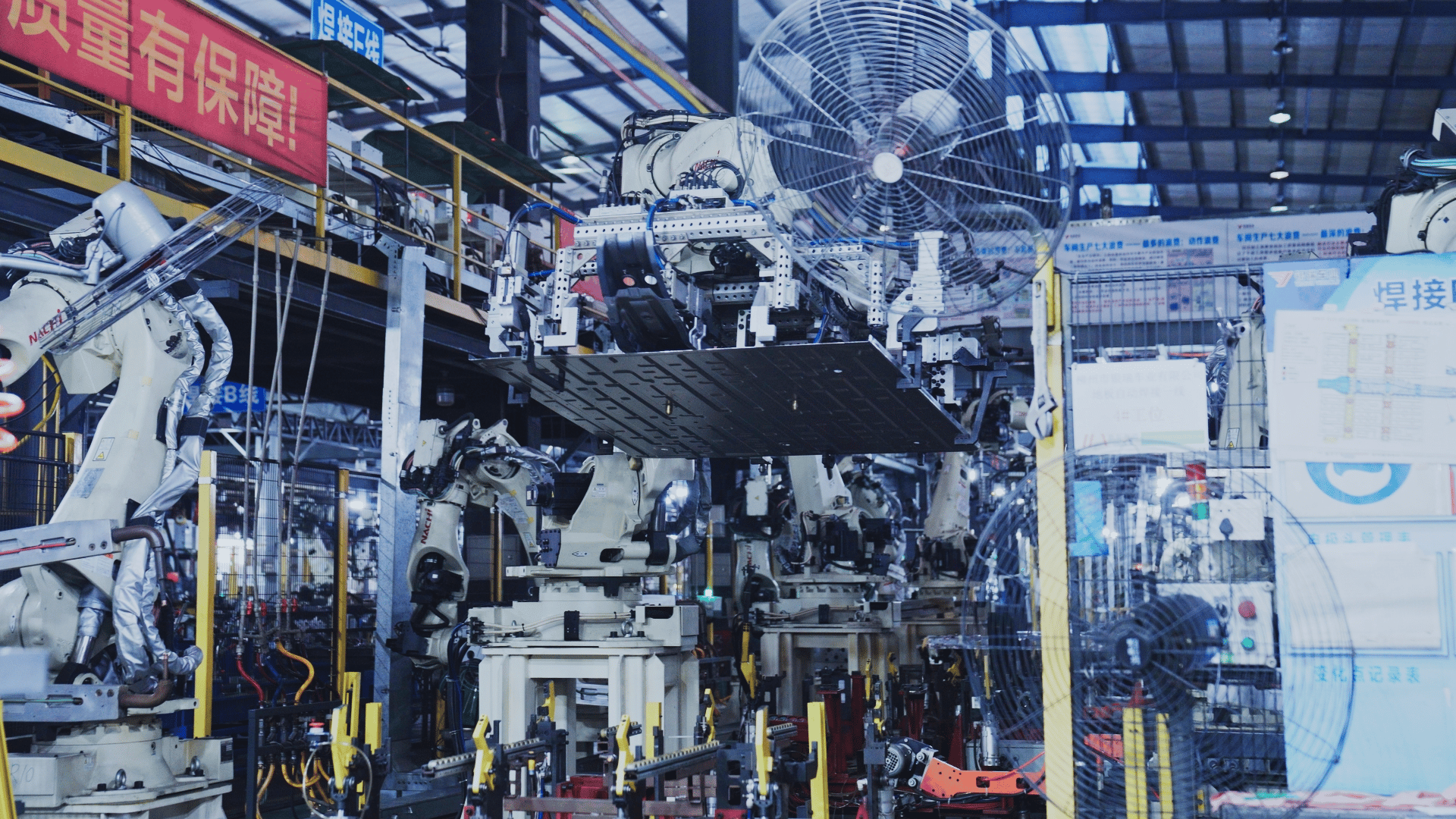
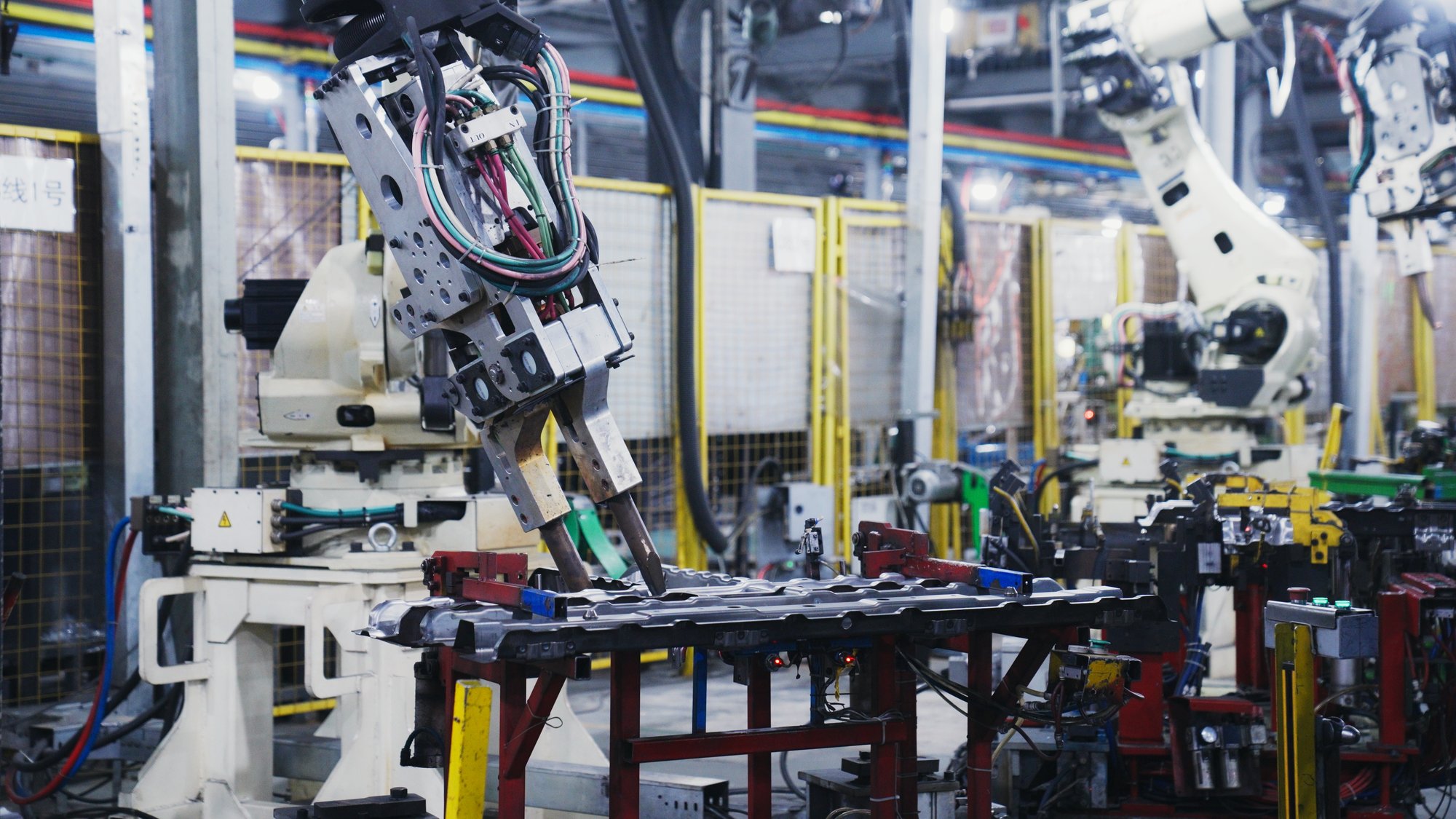
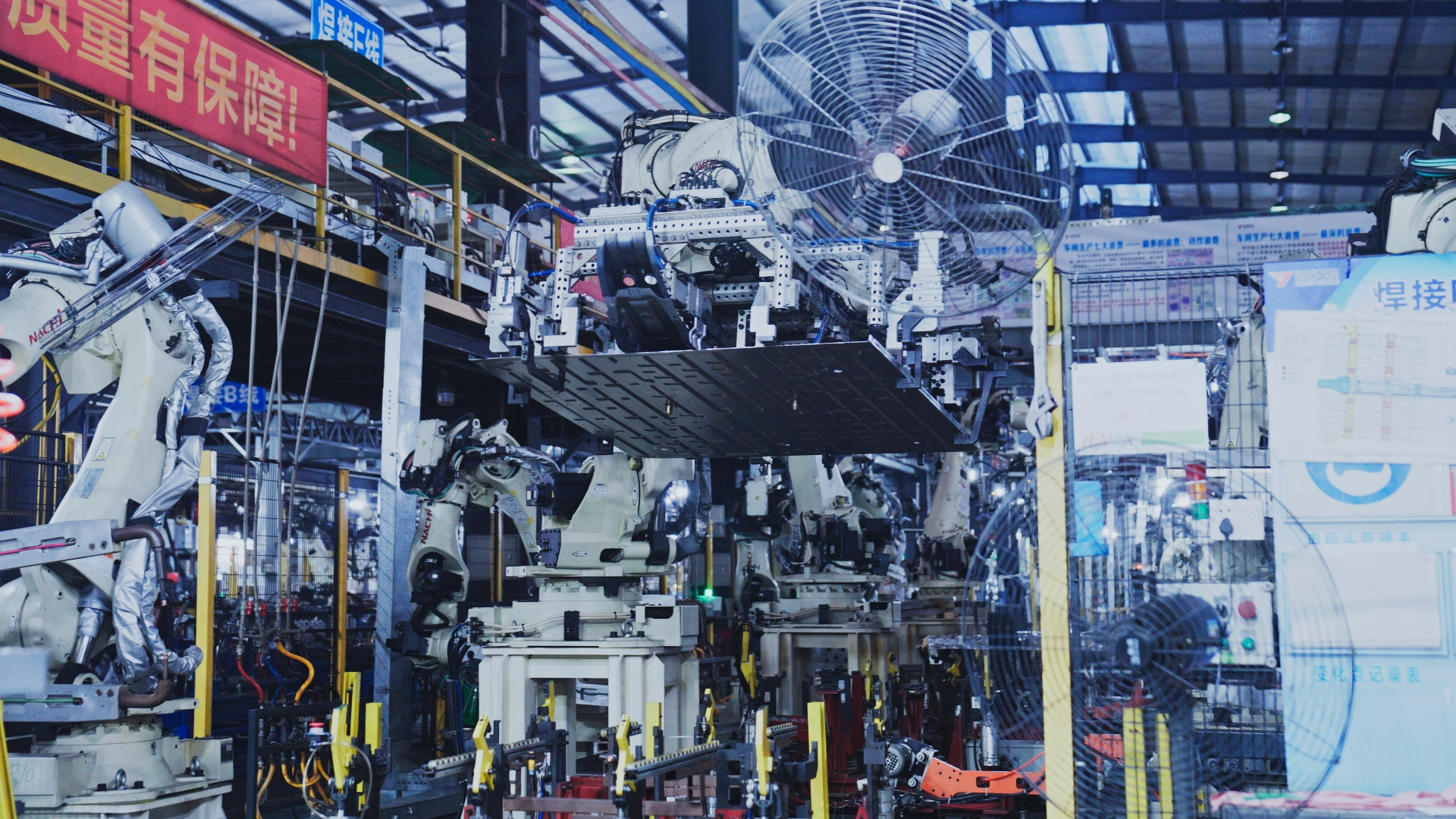
Inside the manufacturing workshop, rows of high-speed industrial welding robots reflect the pace and precision required in modern automotive production.
High-speed industrial welding robots

High-speed industrial welding robots


ζ‰‹ε†ŒδΈ‹θ½½-Jun-14-2024-09-34-12-4870-AM

Discover the product you're looking for

- Full specifications
- Using scenarios
- Key features
- Even comes with a bundle!

Engineers use the FreeScan Trak Nova to rapidly capture complete 3D datasets of sheet-metal components. Its real-time meshing capability streamlines the inspection workflow and enables efficient full-surface data acquisition.
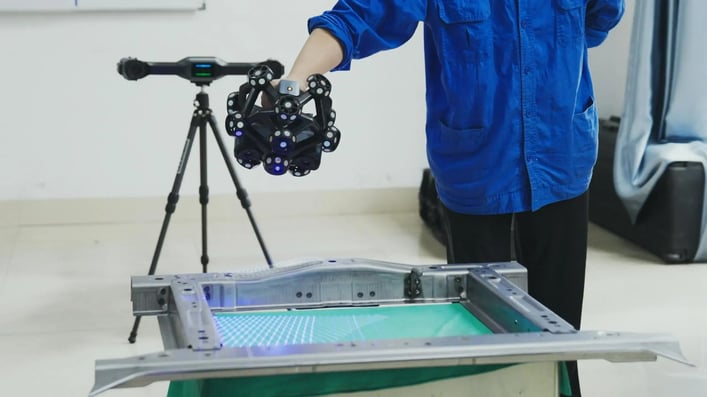
Capturing complete 3D datasets of sheet-metal components by FreeScan Trak Nova
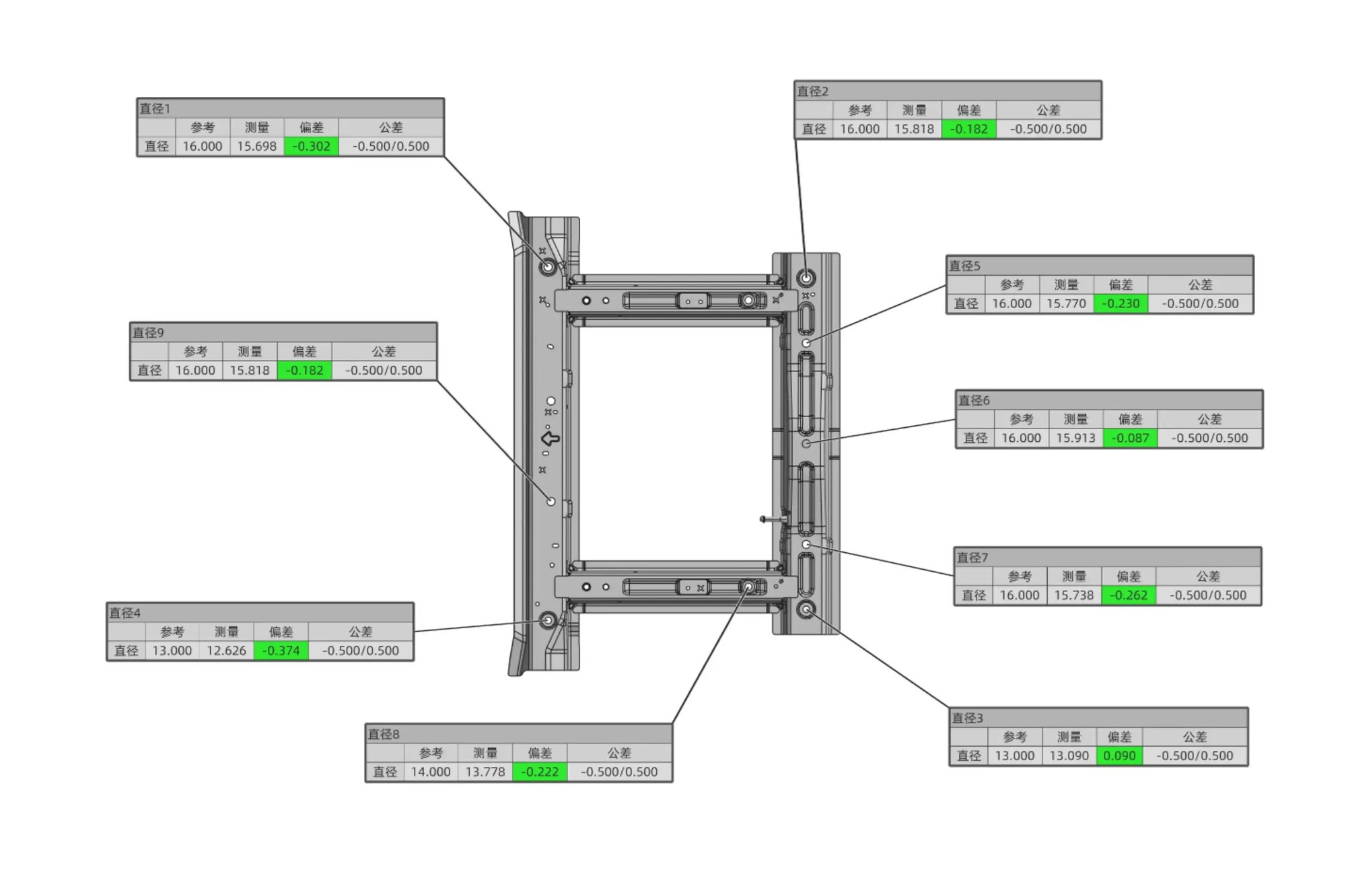
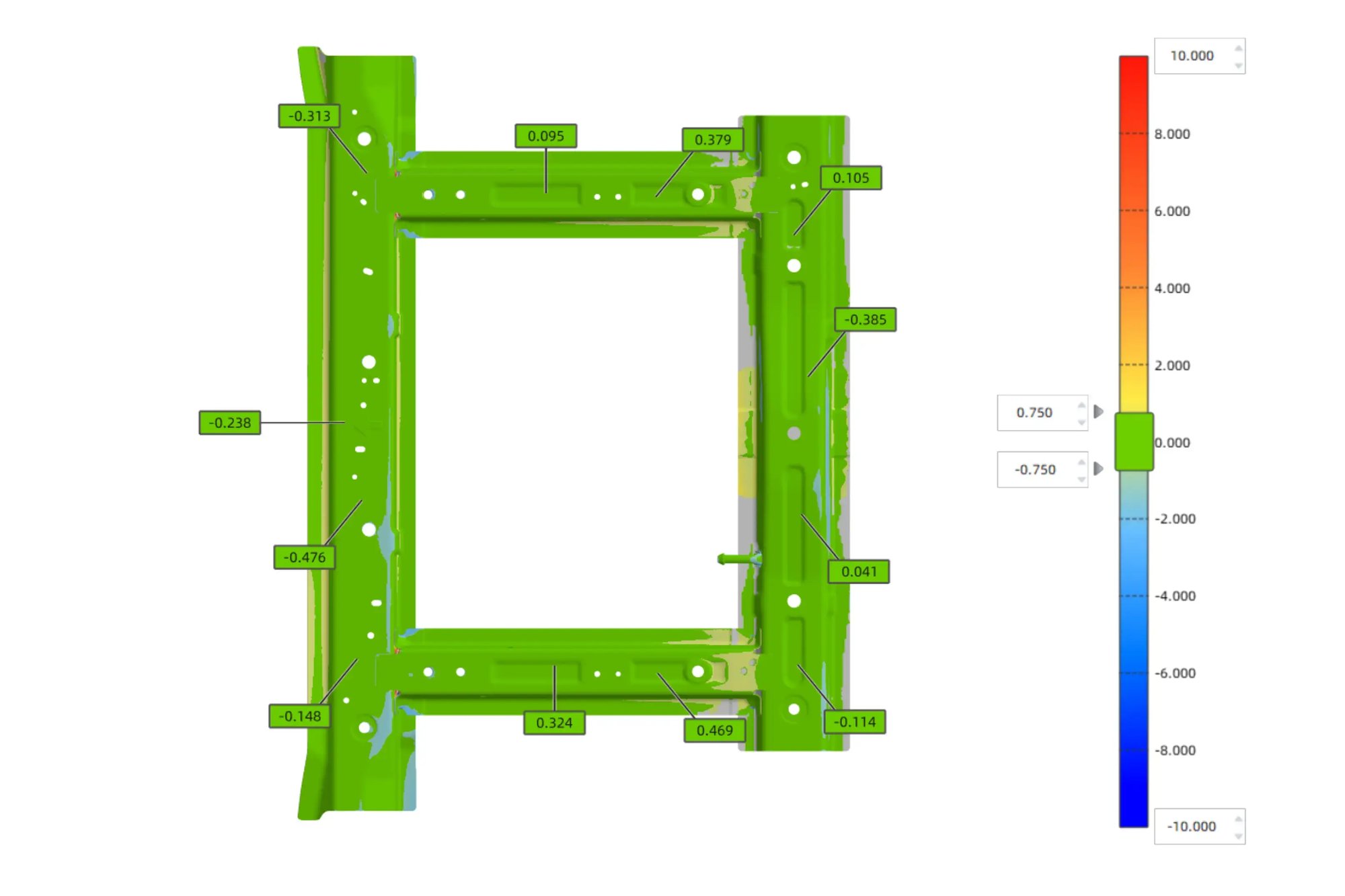
Capturing complete 3D datasets of sheet-metal components by FreeScan Trak Nova

3D Inspection Report

Inspection Report


Reducing Costs and Increasing Efficiency

Replacing traditional gauges with high-precision 3D scanners eliminates long gauge-development lead times. Conventional gauges typically require 1.5 to 2 months for design and fabrication, while a 3D scanner can be deployed immediately. In the race to launch new vehicle models, this time advantage provides a clear competitive edge.

3D scanners also offer non-contact measurement and can handle a wide variety of part shapes and sizes. Traditional gauges follow a one-tool-per-part approach, meaning every new component requires dedicated gauge development and fabrication, which significantly increases costs.


β€œCompared with traditional gauges, one of the biggest advantages of 3D scanners is saving the entire gauge development cycle. This can cut at least one-third of the project timeline. Gauge costs are extremely high, and some parts require inspections on both sides, which could even mean developing two sets of gauges. With a 3D scanner, every surface can be captured.”

β€” Mr. Zeng, Head of Quality Department

Liuzhou Yinrui Automotive Co., Ltd.


Advancing High-Precision 3D Measurement in Automotive Manufacturing

Cost reduction and efficiency improvement are key drivers behind the adoption of high-precision 3D scanning technology. SHINING 3D continues to advance industrial 3D measurement solutions, enabling more automotive manufacturers to enhance inspection efficiency and achieve higher standards in quality control.

FreeScan Trak Nova (1)

FreeScan Trak Nova

FreeScan Trak Nova is built to meet the diverse needs of industries requiring accurate and efficient large-scale measurements with extreme portability, productivity and versatility.


  • Flexible & Separable System
  • Compact & Agile Dynamic Tracking
  • Wireless & Lightweight Design
  • Integrated Video Photogrammetry (VPG)